The Tembisa brief, written for a real queue
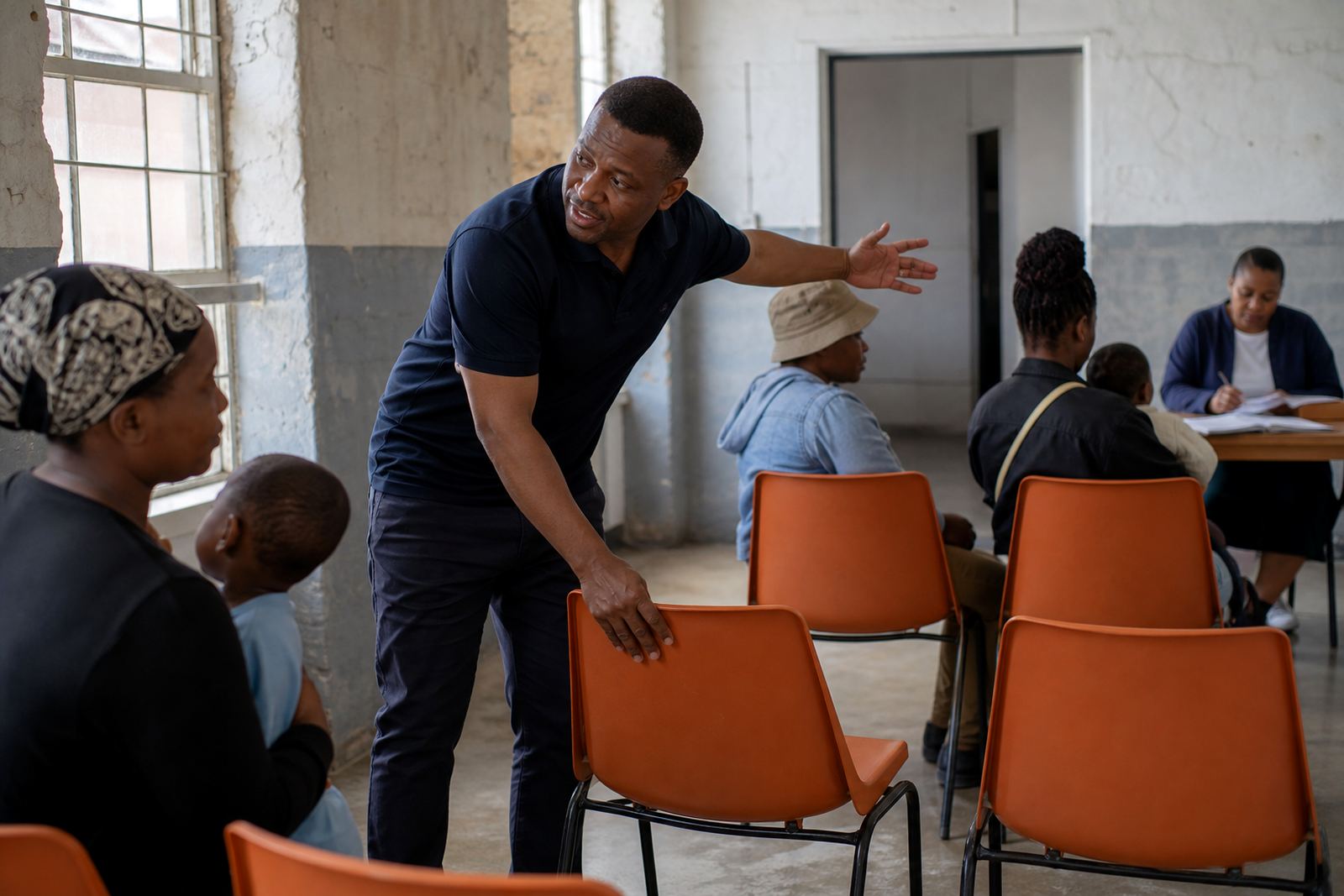
The client wanted a nomination that did not flatten the work into a title alone. The story had to show patient guidance in practical terms: helping older people find the correct reception point, explaining referral slips, calming confused families, and making sure no one missed a follow-up step because the room felt crowded or the signage was unclear.
The setting mattered. Tembisa is busy, transport is tight, and many patients arrive anxious, tired or carrying more than one concern. We shaped the nomination around what was seen on ordinary clinic mornings, not around grand language or empty praise.
- Client type: community recognition nomination for an everyday helper
- Town: Tembisa, Gauteng
- Project angle: patient guidance and support at a public clinic
- Format: public-facing nomination with privacy controls
What had to stay out of the copy
The brief came with firm limits. No medical claims, no invented numbers, no named patients, and no details that could expose someone who visited the clinic for sensitive reasons. We also avoided turning the helper into a hero on paper while ignoring the quiet parts of the work, because the real value sat in steady, repeated support.
We kept the nomination grounded in observable actions. That meant describing how the helper directed people, listened before speaking, and noticed when someone needed a chair, a written note or a second explanation. It also meant keeping judgement language fair and plain, so the entry could stand beside other public nominations without sounding padded out.
- No private patient information
- No clinical diagnosis or treatment claims
- No prize language, sponsor language or event detail
- No statistics that could not be verified
Shaping the nomination so it could be judged fairly
We built the nomination around the things judges can assess without guesswork. The strongest sections were the clearest ones: what the nominee did, how often the help showed up, who benefited, and what changed for people using the clinic. That kept the entry fair to read and easy to compare with other nominations.
The judging notes used plain criteria. Consistency mattered. So did community reach, practical problem solving and the level of care shown without needing attention. A strong nomination was not about using big words, it was about giving enough detail for a judging panel to see whether the work was real, repeatable and useful to others.
- Clear description of the help given
- Evidence of regular community value
- Plain examples rather than sweeping claims
- Judging language kept neutral and direct
Consent, privacy and the public side of the story
Because the nomination concerned a person working in a public-facing space, consent mattered from the start. We checked what the nominee was comfortable sharing, then wrote around the limits instead of pushing past them. Where names, routines or locations could create unnecessary exposure, we kept the wording general and protected.
Privacy was treated as part of the programme work, not as an afterthought. That included avoiding identifying details that had nothing to do with the recognition itself. It also meant making sure the story could be read by the public without handing out extra information about patients, clinic flows or vulnerable visitors.
- Nominee consent confirmed before submission
- Public wording kept modest and careful
- Sensitive details removed from the narrative
- Private notes separated from public copy
Useful evidence from the ground, not from a distance
The most useful evidence in this project came from direct, simple observations. We gathered short examples of the helper guiding people to the right service point, repeating instructions in a calm way, and helping visitors make sense of forms and clinic steps. That gave the nomination weight without turning it into a file of unnecessary paperwork.
We also worked through the story from the point of view of the people being helped. A nomination like this lands better when it shows the effect on ordinary clinic visitors, not only the effort of the nominee. The result was a cleaner account with enough texture to feel true, and not so much detail that it became hard to read.
- Observed actions were used before praise was used
- Short examples carried more value than long claims
- Public impact was described in plain language
- Supporting notes stayed focused on the nomination
A four-week path from notes to submission
The work ran over four weeks. The first week was for gathering the story, the second for checking consent and trimming sensitive details, the third for shaping the nomination against the judging criteria, and the fourth for final review before submission. That order helped the entry stay accurate, calm and easy to follow.
What we supplied was the full nomination narrative, a privacy-safe version for public reading, and a supporting structure that made the submission easier to assess. We also prepared the public questions note, so the language stayed consistent if anyone asked how the nomination was put together or what the recognition covered.
- Week 1: story gathering and interview notes
- Week 2: consent checks and privacy edits
- Week 3: judging alignment and copy shaping
- Week 4: final review and submission pack
What the project delivered on the page
The finished nomination gave the helper a clear place in the awards programme without overclaiming. It explained the kind of support offered, the setting where it happened, and the reason the work mattered to families who needed direction on a crowded day. The copy was straightforward enough for public use and structured enough for internal review.
On a similar brief, we would keep the early questions tight, protect privacy from the first draft, and write every example as though it might have to stand on its own before a judging panel. That approach keeps the story honest and lets the work speak without dressing it up too far.
- Clear, readable nomination story
- Privacy-safe public wording
- Judging criteria matched to the evidence
- Clean structure for public and internal use
Key facts
| Project | Tembisa Clinic Helper |
|---|---|
| Client type | Community recognition nomination brief |
| Town | Tembisa, Gauteng |
| Programme area | Public nominations and judging support |
| Timeline | 4 weeks |
| Focus | Patient guidance and clinic support |