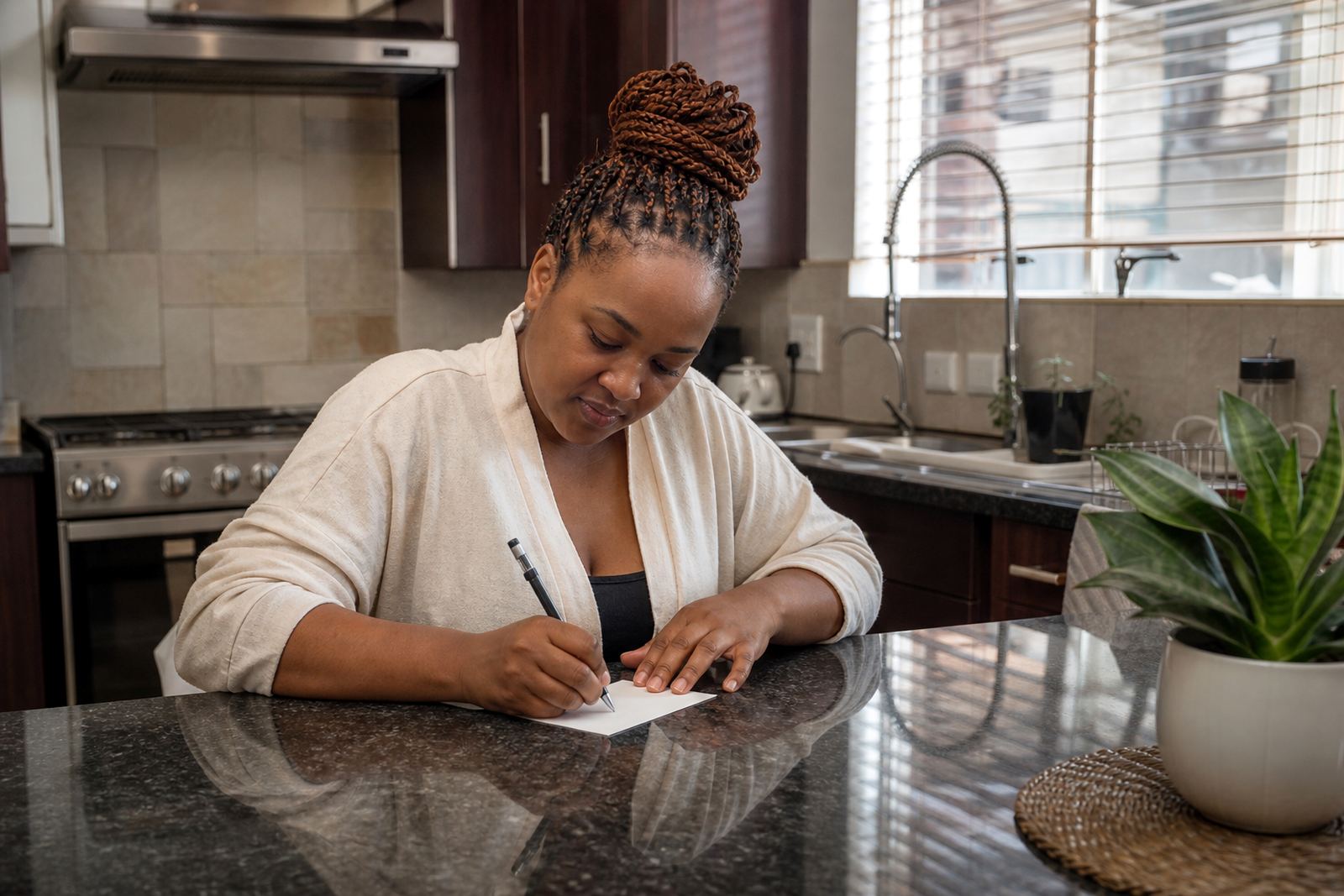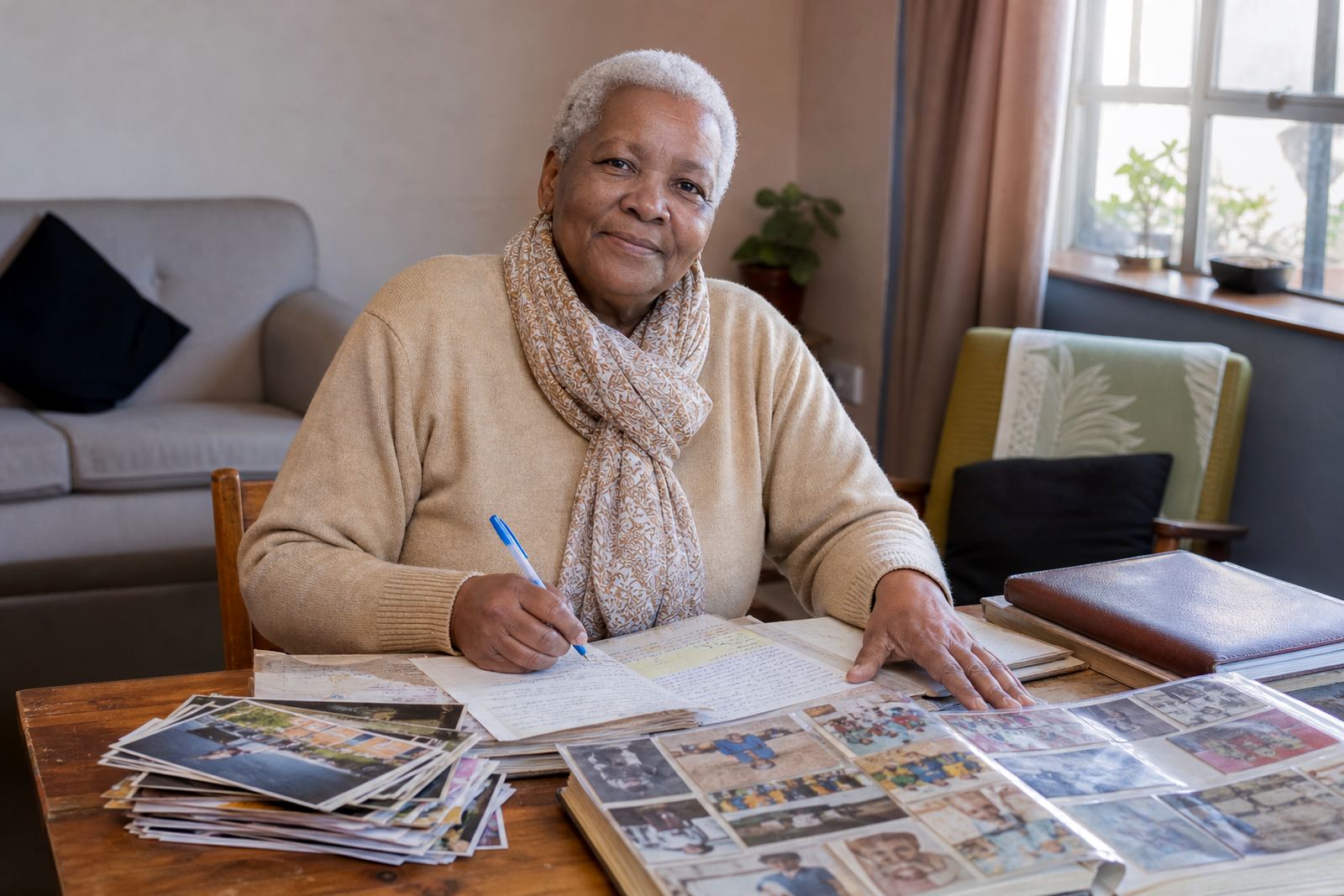
Start with the life around the person, not a label
When you nominate an elder, think about the role they play in daily life. Some are the neighbour who checks on people after heavy rain, some look after grandchildren while parents work, and others keep a street calm because they know every family on it. The strongest nomination gives a clear picture of that presence in ordinary South African life.
Write the story in plain language. Say who the person is, where they live or serve, what they do for others, and how long they have been doing it. A short, honest account is better than a long list of praise. If the person has helped in more than one way, separate the details so the judges can follow the pattern.
- Full name of the nominee, if they are comfortable with it
- Town, suburb or community they serve
- Their everyday role in the family or neighbourhood
- Examples of care, guidance or problem solving
- Approximate period over which the support has continued
What makes an elder nomination strong
A strong nomination shows long service, wisdom and practical care. Long service means the help did not start with one event and stop there. Wisdom shows in the way the person handles difficult moments, gives advice that people trust, or settles disputes without making noise. Practical care is the part that keeps life moving, such as cooking, transport, child minding, safety checks or support during illness.
It helps to include specific moments. Rather than saying someone is kind, explain what they actually did. For example, they may have walked a child to school for months, opened their home to a sick neighbour, or used their own pension money for transport so another person could attend a clinic visit. Facts like these give the nomination weight.
- Clear examples instead of general compliments
- Evidence that the care happens over time
- Details of who benefits from the help
- Notes on resilience, patience and dignity
- Any community role that shows respect from others
How to write the story in a way judges can follow
Keep the story orderly. Begin with the person’s main contribution, then move into examples and finish with the wider effect on family, neighbours or a local group. If the nominee has several roles, link them through one thread. For example, a grandmother may also be a caregiver, a mediator and the first person people call when a child is missing from school.
A good nomination should answer a few plain questions: what does the person do, who does it affect, how often does it happen and why does it matter. Avoid dramatic wording and keep the focus on the work itself. In Braamfontein, Johannesburg, our team reads nominations from across South Africa, so clear structure helps whether the story comes from Gauteng, the Western Cape, KwaZulu-Natal, the Eastern Cape, Limpopo, the Free State, North West or Mpumalanga.
- Use short paragraphs and direct wording
- Keep dates approximate if you do not know exact ones
- Name the people or groups who see the benefit
- Describe one or two incidents in detail
- Leave out exaggeration and broad claims
Consent, privacy and respectful detail
Before you submit a nomination, ask the elder for consent. Some people are proud to be recognised, while others prefer not to have their name shared publicly. Consent is not a formality, it is part of respecting the person’s privacy and agency. If the nominee cannot give consent directly because of health or memory concerns, think carefully about whether the nomination should proceed and what details are suitable.
Only share what is needed for the award process. Do not include private medical information, sensitive family conflict or personal history that is not relevant to the nomination. If a story depends on difficult circumstances, keep the focus on the help given and the effect it had. When you use our contact form, you are sending information for the nominations process, so treat names, contact details and background notes with care.
- Get permission before naming the person
- Ask what they are comfortable sharing
- Leave out medical records and private disputes
- Use general wording where details are sensitive
- Keep supporting documents relevant and limited
Useful evidence that supports the nomination
Evidence does not need to be complicated. A photograph of the person in a community setting, a short letter from a neighbour, a school note, a clinic acknowledgement or a church statement can all help, if they are relevant and truthful. The point is to show the work, not to build a file that looks impressive on its own.
If you are adding proof, make sure it matches the story. A neighbour’s note should explain what they saw, not just say the person is wonderful. A school or community letter should explain how the elder helped and for how long. Avoid sending material that names other people in a way that could expose them without reason. For nominations from areas such as Polokwane, Durban, Cape Town or Gqeberha, simple and local proof often says more than polished wording.
- Photographs that show the person in context
- Letters from people who know the work well
- Notes that describe specific acts of care
- Dates or rough periods where possible
- Only the documents that support the story
Reviewing your form before you send it
Read the nomination again before submitting it. Check the spelling of names, the community description and the main examples. Make sure the consent point is clear and that the story still makes sense to someone who does not know the family. If you need to update a nomination after submitting it, do that through the process provided so the record stays in one place.
A final review should test the basics: is the elder clearly identified, is their contribution visible and is the privacy of other people protected. The judging process looks for fairness, plain evidence and work that genuinely matters to others. A careful nomination is usually the one that reads as truthful from the first line to the last.
- Check names, places and contact details
- Confirm consent is covered
- Trim away irrelevant background
- Make sure the examples match the claim
- Keep the tone respectful and factual