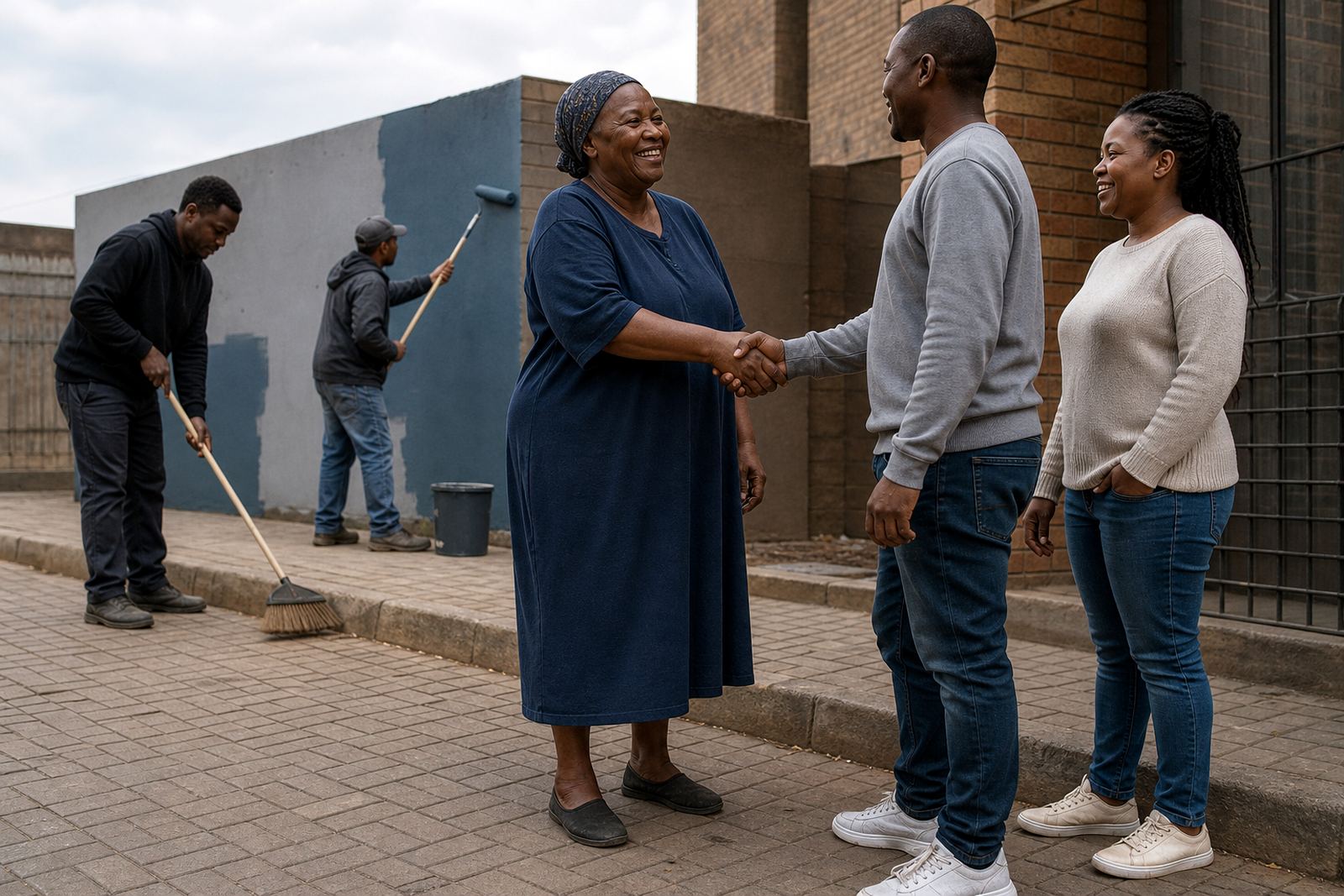
Start with one real moment, not a long compliment
Begin with a single event, visit or act of support that can be described plainly. A useful nomination says what the person did, where it happened and who was helped. Keep the focus on actions that can be checked, not on broad praise like kind, hardworking or caring.
Good examples usually name the setting too. A teacher staying after class to explain work, a neighbour who organised food parcels in a block of flats, or a volunteer who checked on older residents during heavy rain all give the panel something solid to work with. The point is not to sound polished, it is to sound specific.
Turn praise into evidence the panel can use
When a nomination says someone is amazing, the panel still has no detail to assess. Better examples show the result of the action, even if the result is small. Did the person calm a child in distress, help a family get to a clinic, or coordinate helpers in a local street? Those details carry more weight than a string of adjectives.
- Use names of places, streets, schools or clinics where relevant.
- Describe what changed after the person stepped in.
- Include dates or periods if you know them.
- Mention whether the help was one-off or repeated over time.
- Say who noticed the impact, such as parents, patients, neighbours or learners.
Write the story in a clean order
A strong nomination reads in sequence. Start with the problem, then explain what the nominee did, and finish with the result. That order helps the judging process because it keeps the story easy to follow. If there were several acts of help, group them by theme, such as care, education, safety or community support.
Try not to jump from one idea to another. A neat structure makes a nomination feel believable and complete. If you need a simple structure, go with this: what happened, what the nominee did, who was helped, and what changed afterwards. Short sentences often work better than long ones with too many details fighting each other.
Collect the right supporting details before you submit
Useful evidence does not have to be formal. A message from a school, a note from a resident association, a photo of the activity or a short account from someone helped can strengthen the entry. What matters is that the detail matches the story and supports the claim being made.
- Write down the full name of the nominee correctly.
- Keep a clear summary of the act or effort being described.
- Save any supporting messages, letters or photographs.
- Check whether anyone else can confirm the story.
- Leave out anything that is private, unnecessary or sensitive.
In Braamfontein and across Johannesburg, people often submit entries about work done quietly over time. Those entries are stronger when the facts are laid out cleanly and the support material lines up with the story.
Consent matters before personal details are shared
A nomination should not treat a person’s story as public property. If you are using personal details, photos or background information, make sure the nominee knows they are being put forward. Consent is part of the process, and it protects both the nominee and the person writing the entry.
Be careful with sensitive information. Health matters, family issues, safety concerns and children’s details should only be shared when they are truly needed and the nominee has agreed. If something is important but private, keep it brief and relevant. That approach respects privacy without weakening the nomination.
Check the judging criteria against your draft
Judging usually looks for the strength of the act, the effect on others, the clarity of the account and whether the nomination is supported by credible detail. A strong draft gives the panel enough information to see why the person stands out in their community. It does not need fancy language, but it does need honest detail.
Before you submit, read the nomination as if you knew nothing about the person. Does it explain what they did? Does it show who benefited? Does it show why the effort matters in daily life? If the answer is yes, the example is likely in good shape. If not, add one more concrete detail rather than another compliment.
Before you press submit, check these points
Small mistakes can weaken a good story. A spelling error in the nominee’s name, a missing contact detail, or a vague paragraph can make the submission harder to review. Take a final pass through the form and make sure the example still makes sense when read slowly.
- Names are spelled correctly.
- The nomination explains one clear contribution.
- Consent has been considered before personal details are shared.
- Supporting information matches the story.
- No unnecessary private information has been added.
If you want to update a submission, or if you are unsure how to present a sensitive case, our contact form is the place to raise it. The team works across Gauteng Nominations, Western Cape Nominations, KwaZulu-Natal Nominations, Eastern Cape Nominations, Limpopo Nominations, Free State Nominations, North West Nominations and Mpumalanga Nominations, with public nominations welcomed from across South Africa.