When Faith Work Becomes Community Care
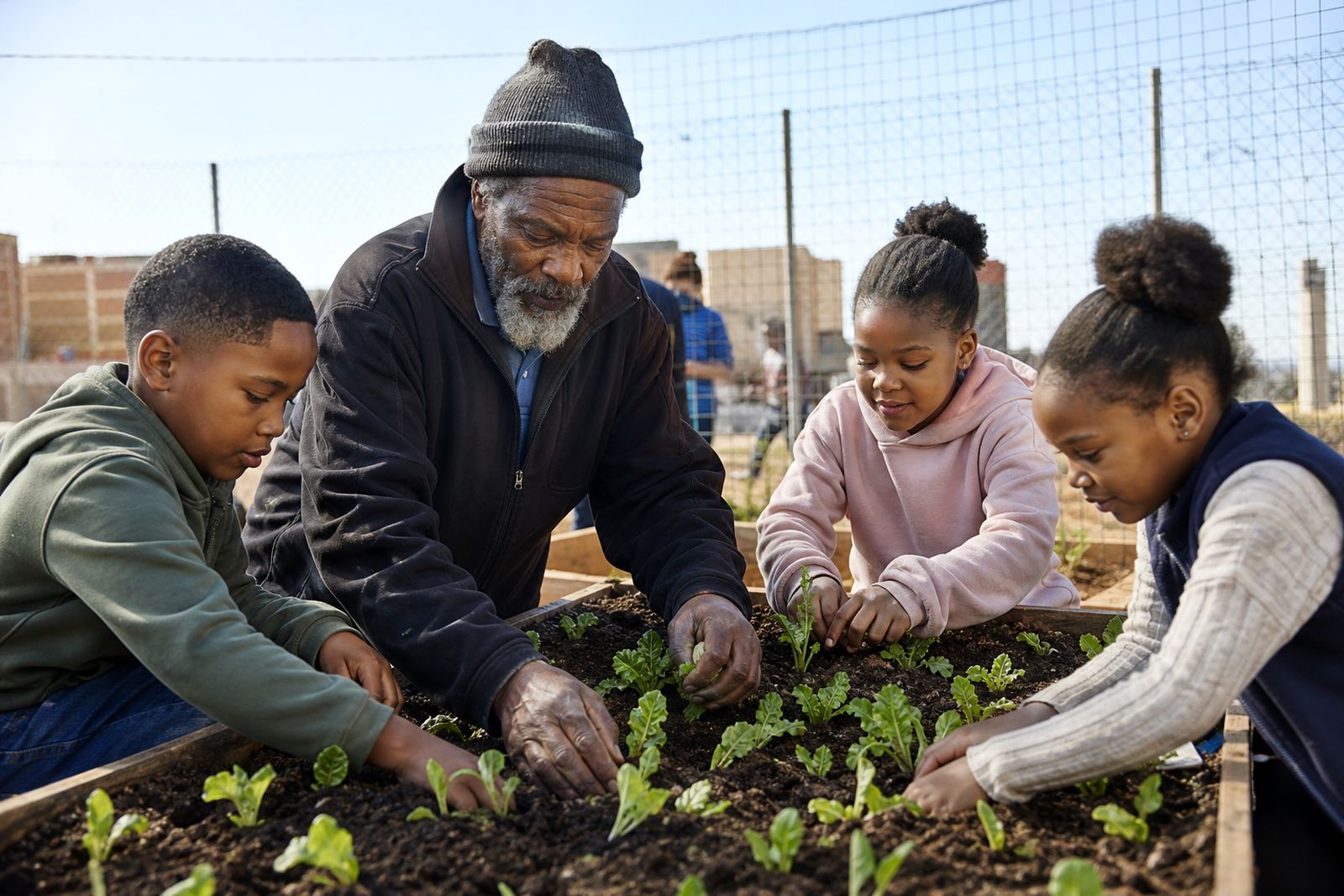
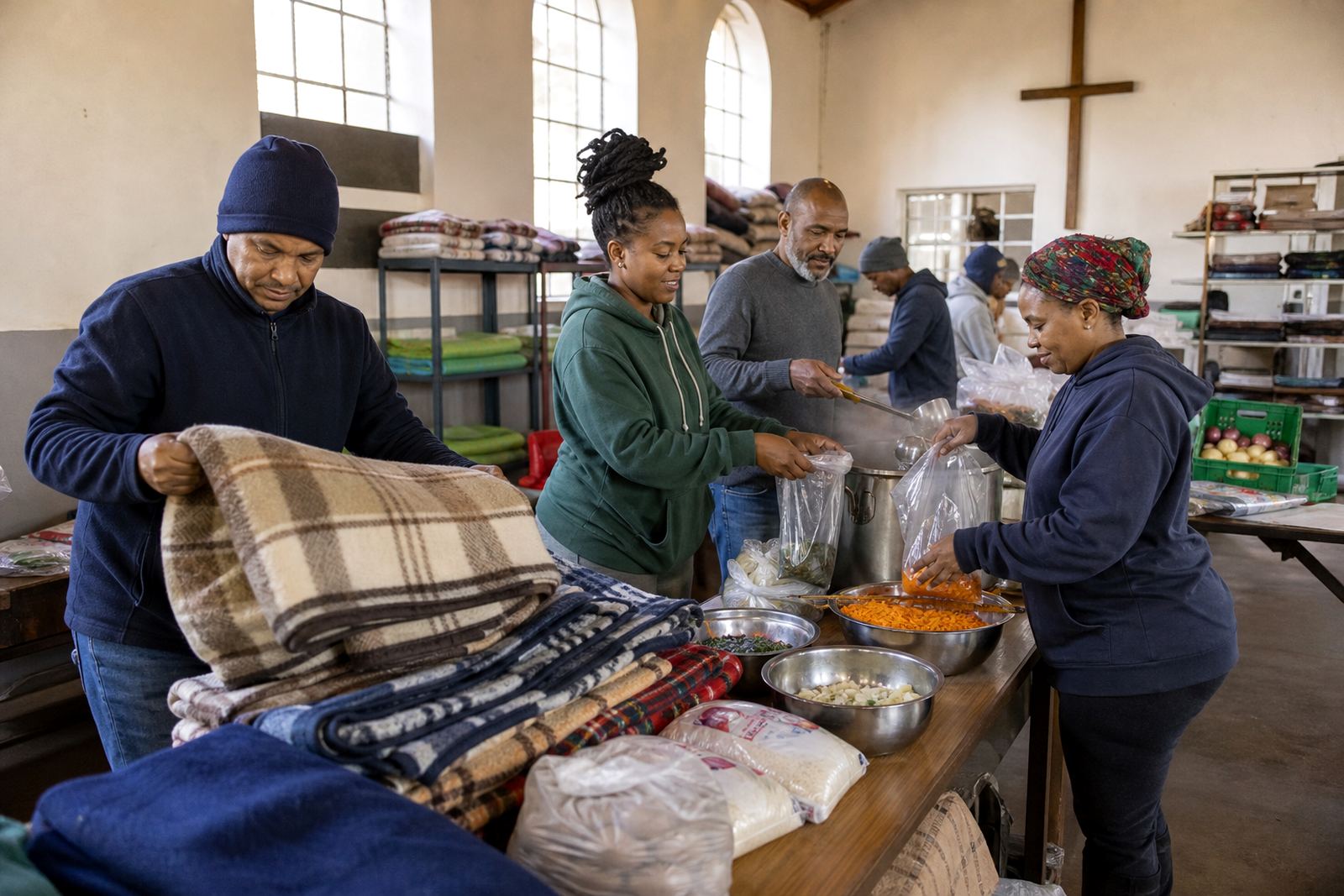
Faith volunteers are often the people who arrive early, stay late and notice who is being left out. In Braamfontein and across South Africa, nominations usually describe work that is practical rather than public, such as meal support, clothing drives, transport for the elderly, school assistance, grief care or regular check-ins with families under pressure.
A good nomination does not need grand language. It needs a clear account of what the volunteer actually does, who benefits and why the work matters in daily life. If the nominee is part of a congregation, mosque, temple, fellowship or interfaith group, say how the role sits inside that community and how the service reaches beyond it.
For faith-based nominations, it helps to describe routine care in plain terms. A strong entry shows consistent action, local knowledge and real need, not only a single event.
What To Gather Before You Write
The clearest nominations usually come from a small set of practical items. You do not need a long folder, but you do need enough detail to show the work is real and specific.
- Full name of the nominee and their faith community, if relevant
- A short note on the kind of help they provide
- Dates or a rough time period for the work
- Photos, letters, WhatsApp screenshots or attendance notes, where suitable
- The names of people who can confirm the service, if requested
- Permission from the nominee before you submit personal details
A phone with a working camera, a notebook, a scanner app and a stable place to keep documents is usually enough. If the evidence lives in paper files, photograph each page clearly and keep the images in date order. That makes the review process easier and saves time later when the story needs tidying.
How To Shape The Story Without Padding It
The story section works best when it moves in a straight line. Start with who the nominee is, then explain what they do, who they serve and what changes because of their effort. Keep the tone respectful and specific. A nomination for a faith volunteer should sound like a true account, not a tribute speech.
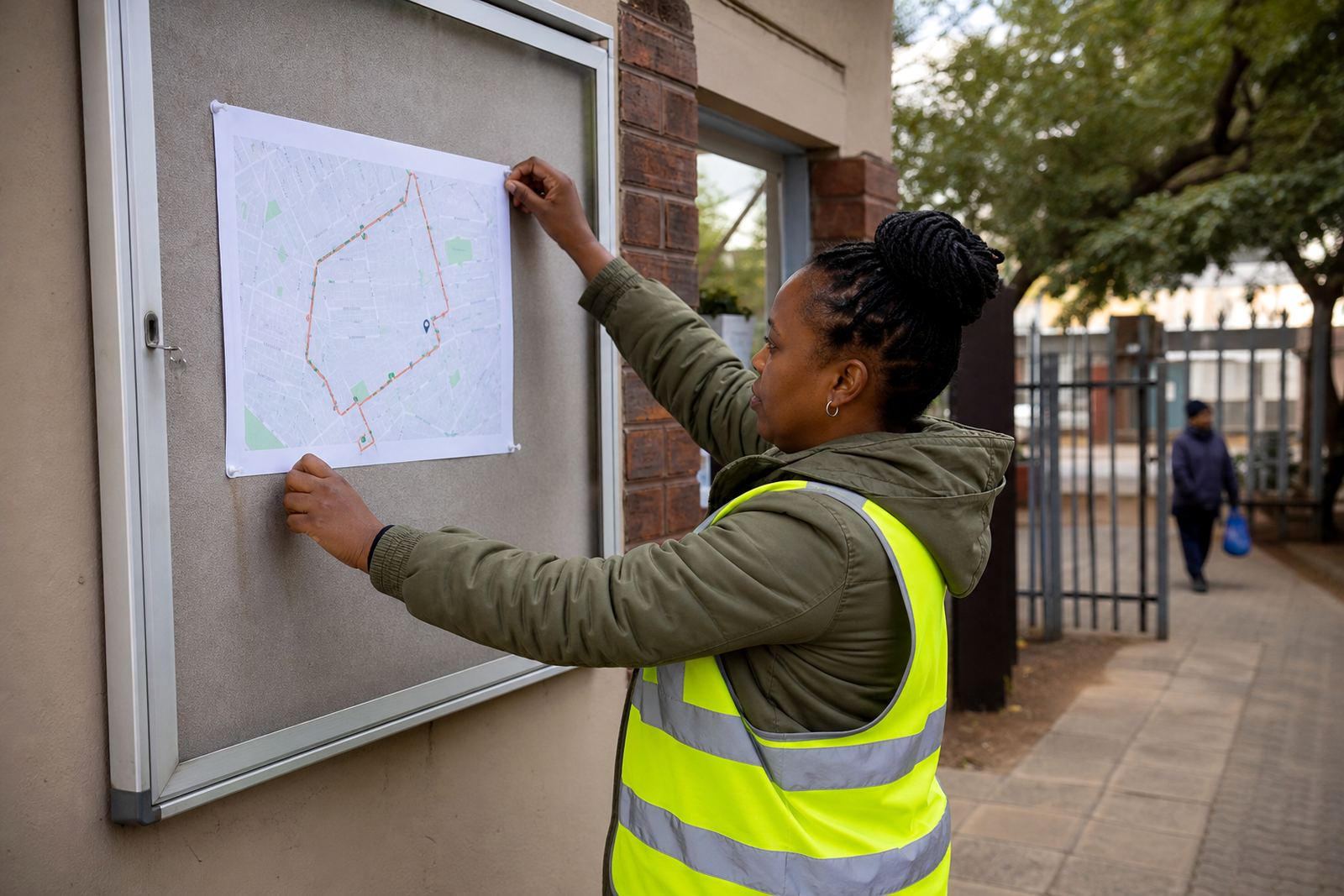
Useful detail includes the type of help offered, how often it happens and the setting where the work takes place. For example, a volunteer may organise food parcels after services, collect blankets in winter, visit homes in nearby streets or help with youth support after school. Those details show that the service is rooted in community life.
- Focus on action, not praise words
- Use one or two real examples instead of long summary lines
- Say what problem the volunteer helps solve
- Leave out claims you cannot support with evidence
If the nominee is well known in the congregation but less visible outside it, that is still useful. The judging process looks for steady contribution, not public profile.
Consent, Privacy And Sensitive Information
Consent matters before any nomination is submitted. A person should know they are being nominated, what details will be shared and how their name, story and evidence may be reviewed. Where a nominee works with vulnerable people, handle the description carefully and avoid naming children, patients or families unless it is necessary and appropriate.
Privacy Explained and Nominee Consent are two parts of the process that should sit together. If the volunteer has shared ministry notes, health-related context or private family details, keep the description narrow. Use only what supports the nomination. Sensitive Information should be limited to what is needed for fair judging.
Public Questions can usually be answered without exposing private material. If a support letter or photo includes other people, check whether their consent is also needed before it is attached to the submission.
Judging A Nomination For Quiet Service
Faith volunteer nominations are generally strongest when they show reliability, care and community benefit. The judging criteria look for clear evidence that the work is genuine, ongoing and connected to people who need support. A single event can matter, but repeated service carries more weight when it is described properly.
The review process usually checks whether the nomination is complete, whether the nominee fits the category and whether the story is backed by useful evidence. A strong nomination explains the volunteer’s role without trying to turn it into a dramatic story. It should be easy to follow, with facts placed in the right order and no loose claims.
- Show regular service rather than one-off effort only
- Link the work to a real local need
- Include evidence that matches the story
- Keep the nomination within the correct category
If a nomination is unclear, the review team may need extra detail. That is easier when the first version already has names, dates and a clear description of the volunteer’s place in the faith community.
Practical Planning And Rand Ranges
Most faith volunteer nominations do not need a large budget, but there are still small costs to plan for. If the nomination is handled by a church office, outreach group or family member, the usual spend may include printing, scanning, transport, data and copying evidence. For many entries, a basic budget sits between R150 and R600. If you need several printed letters, better photo prints or travel from another town, the total can move to R800 or more.
Layout matters too. Keep documents in one folder, arrange images in date order and write a short timeline before uploading anything. That reduces confusion and helps the nomination tell one clean story. If the volunteer serves in different faith settings, separate the examples by place so the pattern of service is easy to spot.
Common mistakes include missing consent, vague praise without proof, too many unrelated examples and photos that do not explain what is happening. Another problem is naming everyone except the nominee. Keep the focus on the person being nominated and the care they provide.
Our contact form can be used if you need help with a nomination query, an update to an existing submission or a privacy question linked to the entry.