When an older person deserves a formal nomination
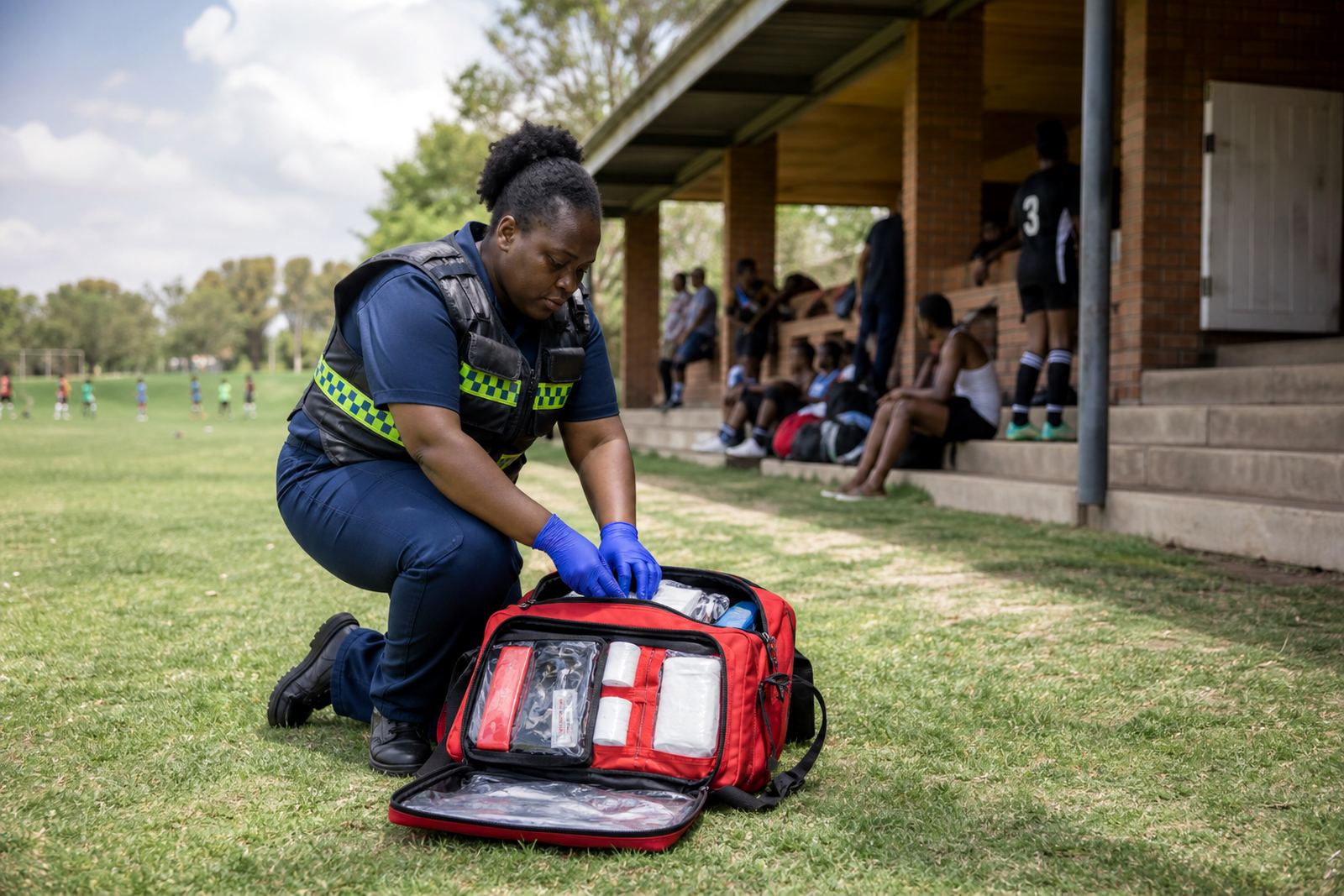
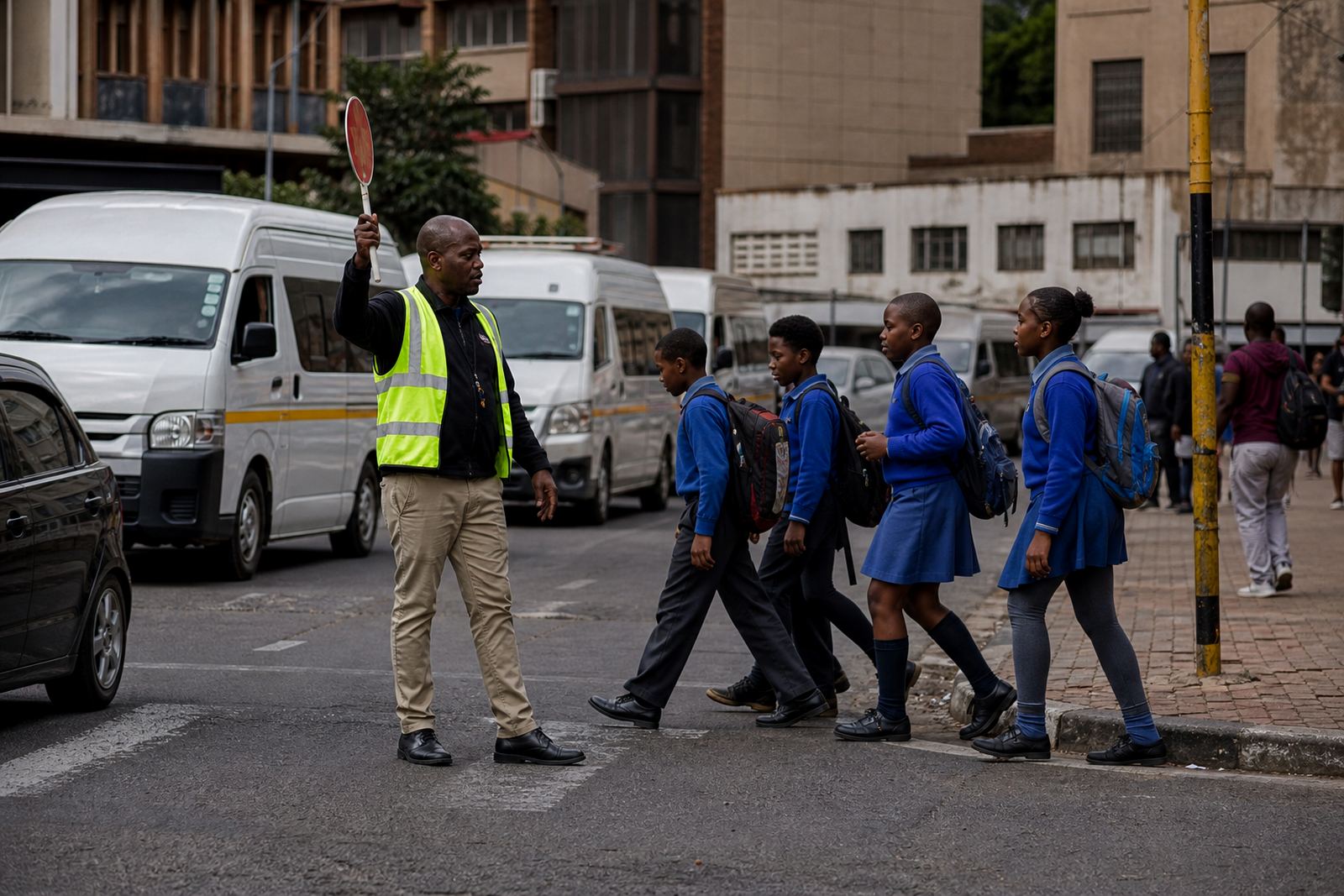
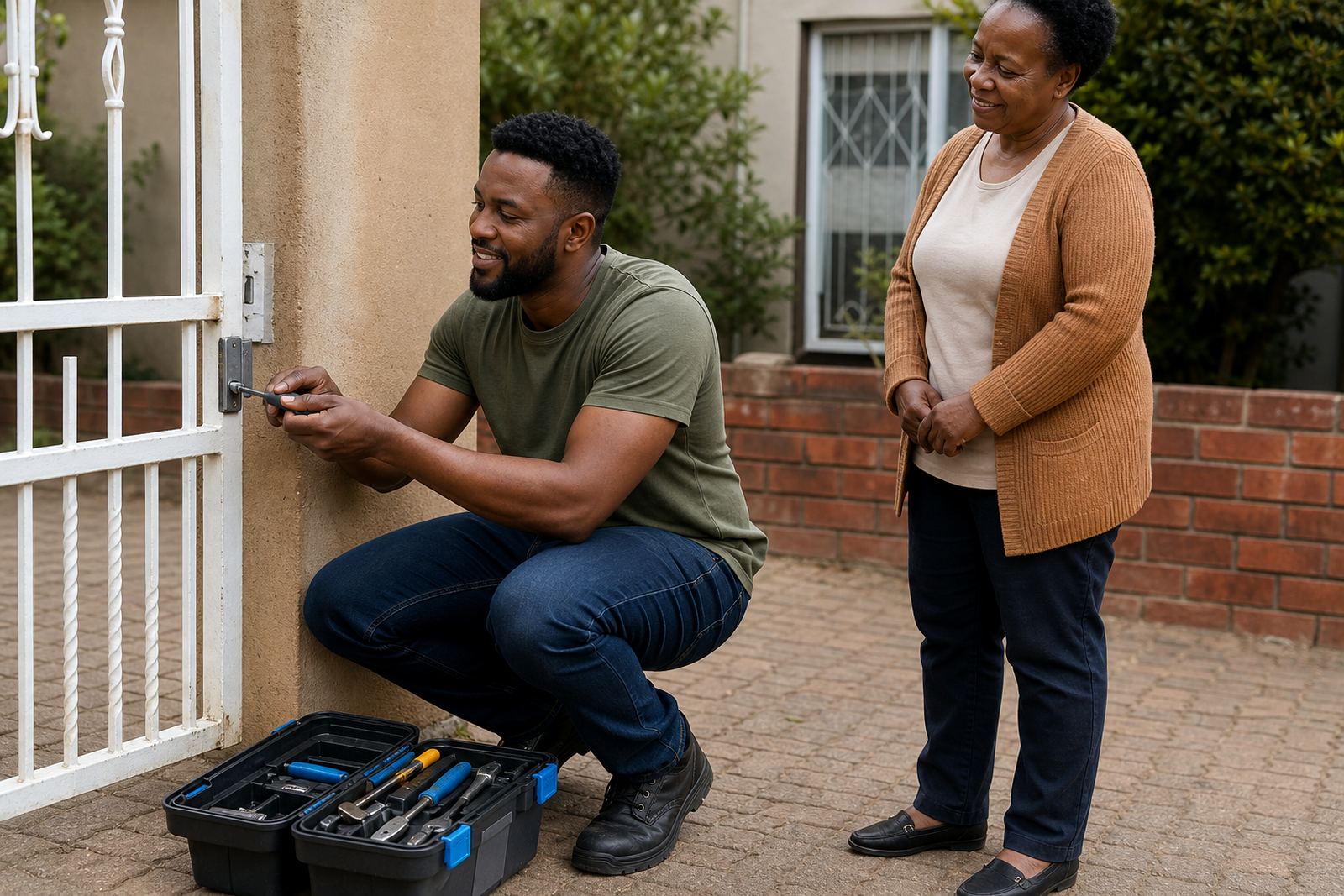
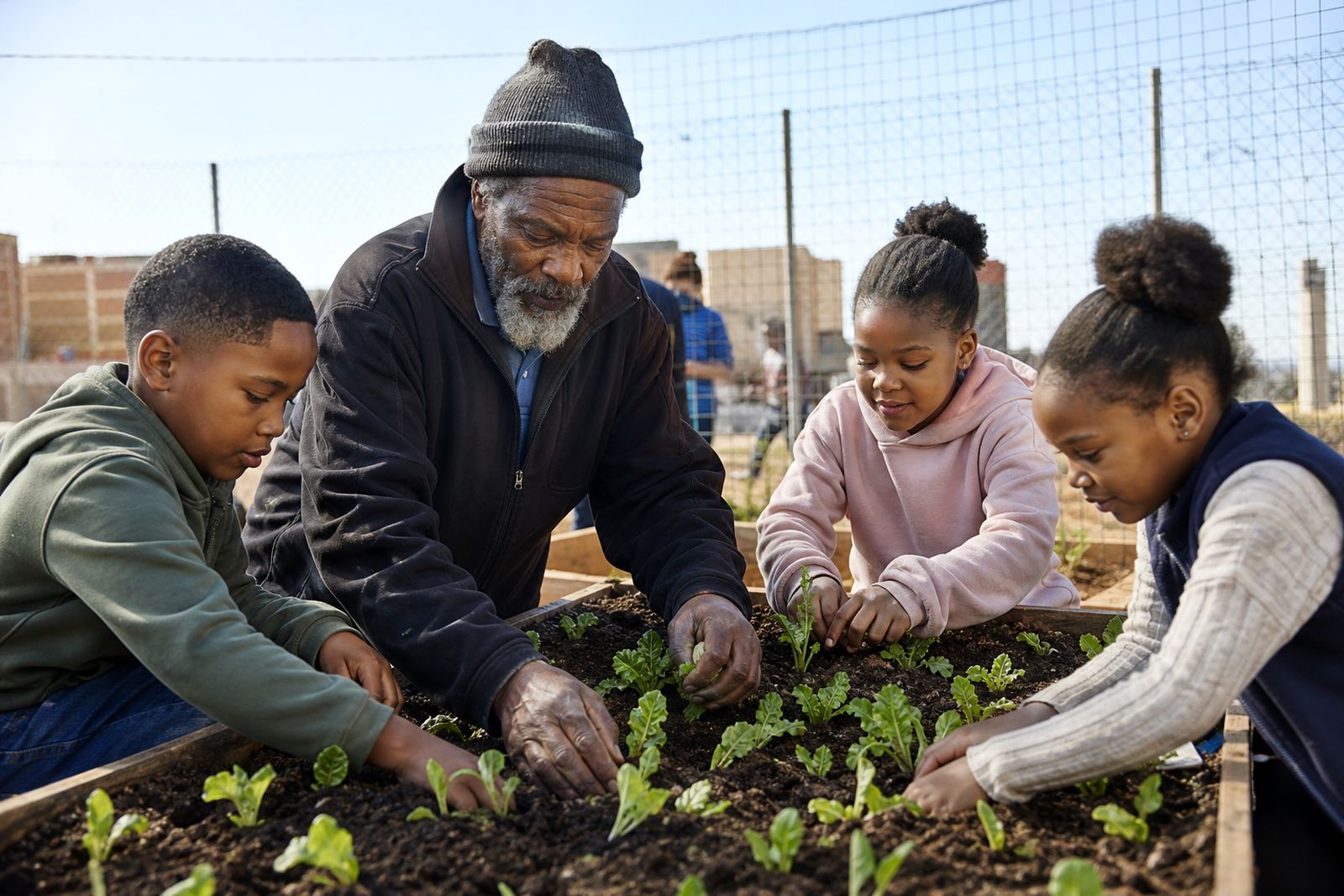
Older People nominations are for South Africans whose contribution has been ongoing, practical and visible in daily life. That might be a pensioner who keeps a street group informed, a retired nurse who checks on neighbours, a grandparent who has raised children in the family, or someone who shares advice and keeps local problems from becoming bigger ones.
The strongest nominations focus on what the person has actually done, not on general praise. Mention the community they help, the kind of support they give, and a few clear examples. If the work has been quiet for years, that still counts. What matters is the record of service, the consistency, and the effect on other people nearby.
We work with nominations from Braamfontein and across South Africa, including Johannesburg, Cape Town, Durban, Gqeberha and Polokwane. The programme is public-facing, so the story should be easy for a reviewer to follow without needing local guesswork.
What to include in a stronger nomination
A useful nomination gives the judging team enough detail to understand why this older person stands out. If the person has helped through a church group, residents association, school support effort or informal neighbourhood network, say so. Add names of places only when they help the story and are safe to share.
- Full name of the nominee, with the area they live in.
- A short account of the help they give, with real examples.
- How long they have been doing the work, even if the period is approximate.
- Names of people who can support the nomination if needed.
- Any photos, letters or notes that show the role they play.
Useful evidence does not need to be fancy. A school thank-you note, a community letter, a dated photograph or a message from a neighbour can all help. The key is that the material should match the story and not overstate it.
Consent and privacy for an older nominee
Before you submit, check that the older person knows about the nomination and is comfortable with it. Consent matters because the process may involve their name, story and supporting details. If someone else is nominating on their behalf, keep the wording respectful and accurate.
Privacy is handled with care. Sensitive details should only be shared when they are needed for the review process, and not as gossip or extra colour. If the person is vulnerable, unwell or prefers limited public attention, say that clearly in the nomination. That helps the team understand how to handle the submission properly.
Our Privacy Explained and Sensitive Information steps are there for exactly this sort of case. Older nominees may be recognisable in their community, so the line between a helpful story and unnecessary exposure needs careful handling.
How the judging process reads an older person story
The judging process looks for evidence that is clear, fair and grounded in community impact. For older people, the panel may pay close attention to length of service, the range of people helped, and whether the contribution has been steady rather than occasional. Wisdom shared with others counts when it is practical and useful, not just spoken about in general terms.
Judging criteria are kept in plain language. The team reviews whether the nomination is specific, whether the evidence supports the claims, and whether the nominee’s own wishes have been respected. A nomination that says less but tells the truth well is often stronger than one padded with big claims.
If you need to update a submission, use the Updating a Nomination step. People often remember one more story, one more witness or one more piece of paper after the first draft is sent, and that extra detail can matter.
Planning the nomination without making it heavy
A good submission for an older person is usually organised in a simple way. Start with who they are, then explain what they do, and finish with why the community values them. If the person’s work spans years or different settings, keep the timeline straight so the reviewer can follow it without effort.
It helps to think of the nomination as a small file, not a speech. The standard set of material usually includes the form, a short story, supporting evidence and consent notes. In some cases there may also be a family member, neighbour or community leader helping with the wording because the nominee does not use online forms easily.
- Leave out dramatic claims that cannot be supported.
- Do not overload the form with unrelated family history.
- Do not share private health details unless they matter to the review.
- Keep the story focused on service, care and community value.
Because nominations are public across South Africa, from Gauteng to Limpopo, the wording should stay clear for people outside the nominee’s immediate area too.
What the budget normally looks like in Rand
There is no prize figure or event cost stated here, and nominations themselves are usually about the effort of collecting the right information rather than paying for extras. Most people only need time, a few supporting notes and perhaps printed copies of letters or photos. If someone is helping an older nominee gather material, the practical costs are usually modest.
As a rough working range, small printouts and document preparation may sit in the low hundreds of Rand, while a more organised nomination pack with scanning, travel to gather statements, and careful copying can rise into the upper hundreds or low thousands of Rand. The budget changes with distance, whether the nominee is in a city or a smaller town, and how much evidence already exists.
The main cost is often attention. A nomination for an older person is strongest when someone takes time to get the facts right, keep the tone respectful, and leave out anything that does not belong.
Local areas that often submit older people nominations
Nominations reach us from Johannesburg and the wider Gauteng area, but also from the Western Cape, KwaZulu-Natal, Eastern Cape, Limpopo, Free State, North West and Mpumalanga. Older people are often nominated by neighbours, church groups, school families or local committees who know exactly who keeps things going quietly.
In Braamfontein and other urban areas, the story may involve transport help, food support, mentoring or caregiving. In smaller towns, the work may be tied to a street, a church, a clinic queue or a family network. The setting changes, but the standard stays the same: a real person, real help and a fair account of how that help shows up in daily life.
If you are preparing a nomination, use our contact form on the contact page for the submission route and complete the fields carefully. That keeps the process tidy for the review team and helps the story stay in order from the start.