When the helper has no title, but the impact is real
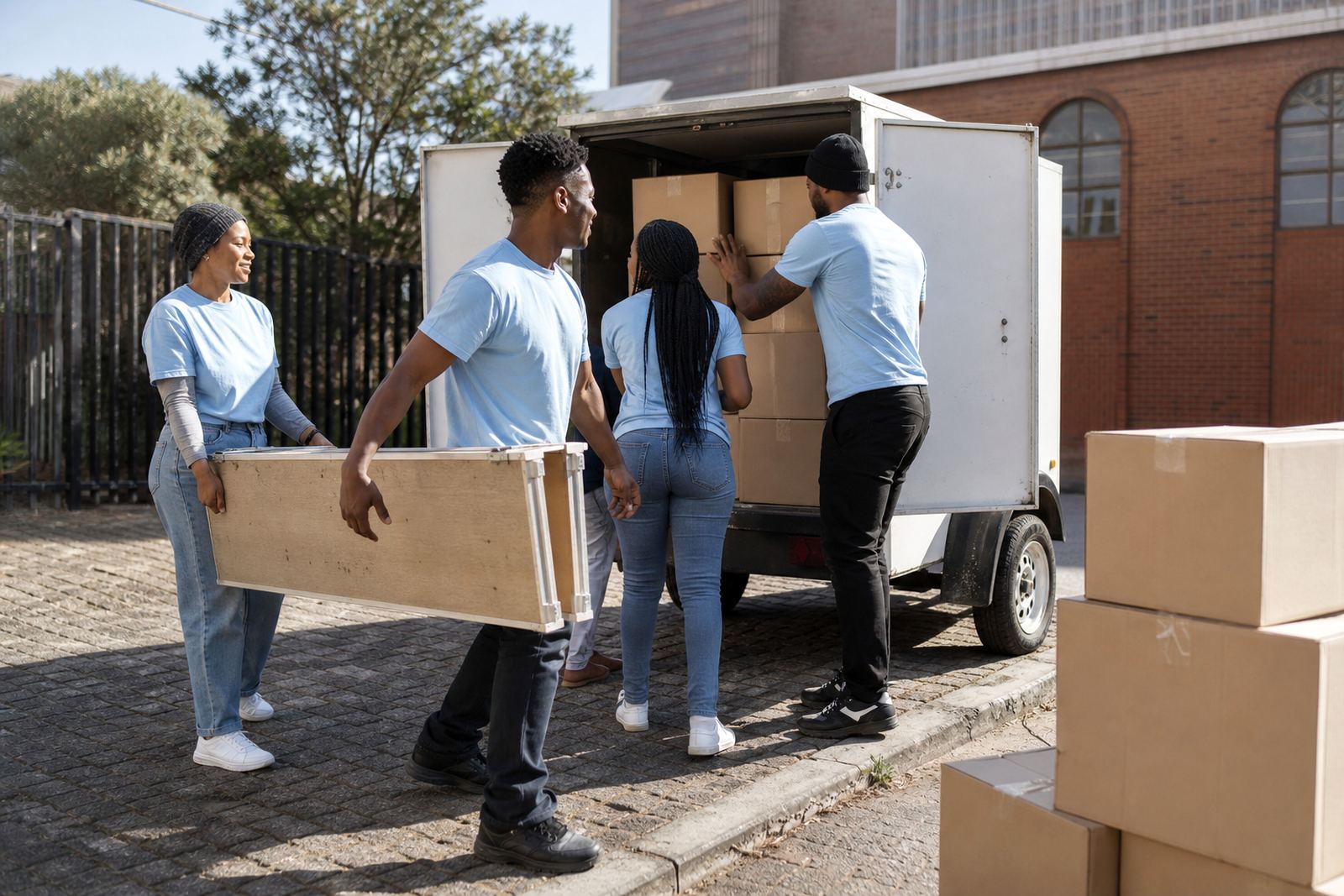
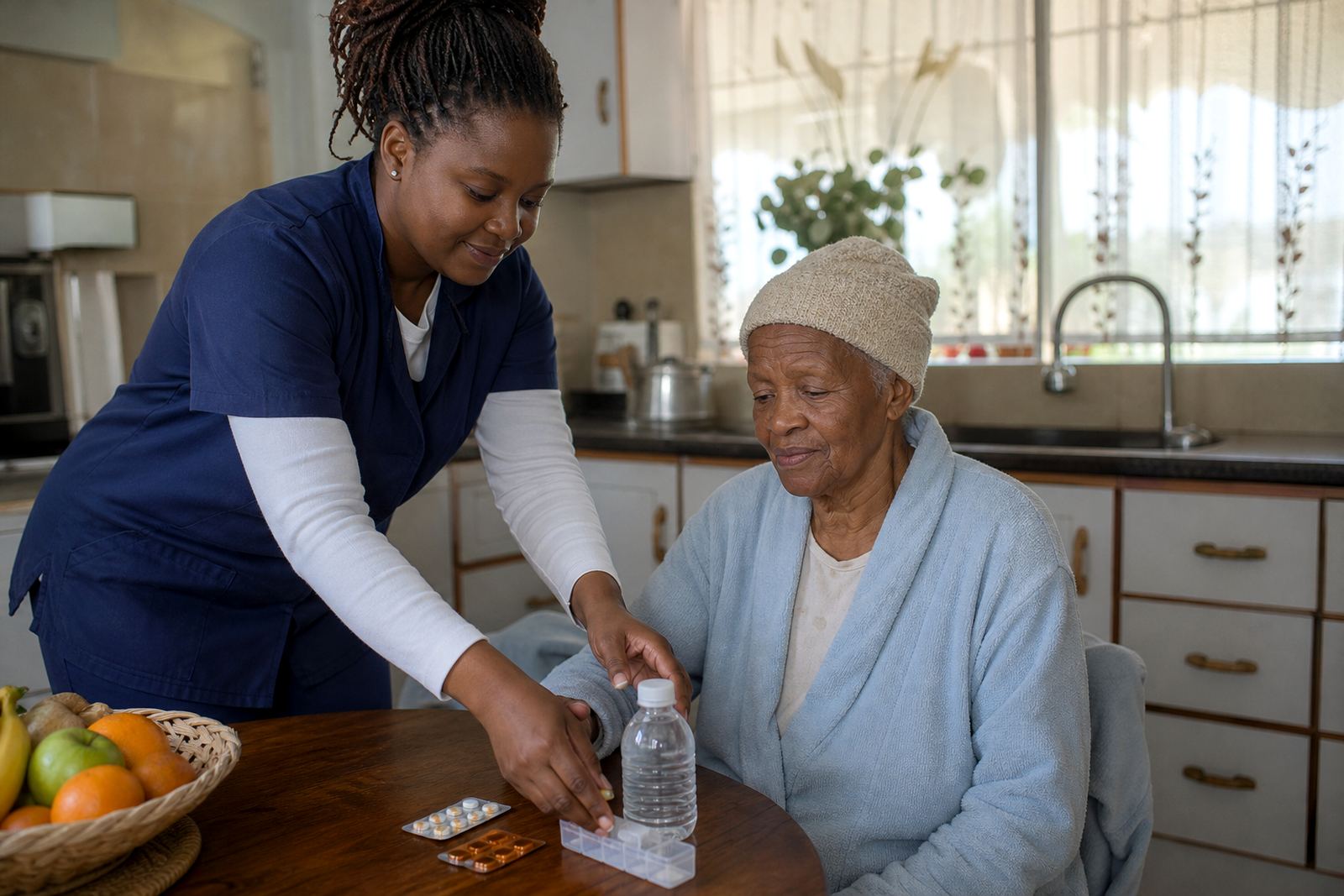
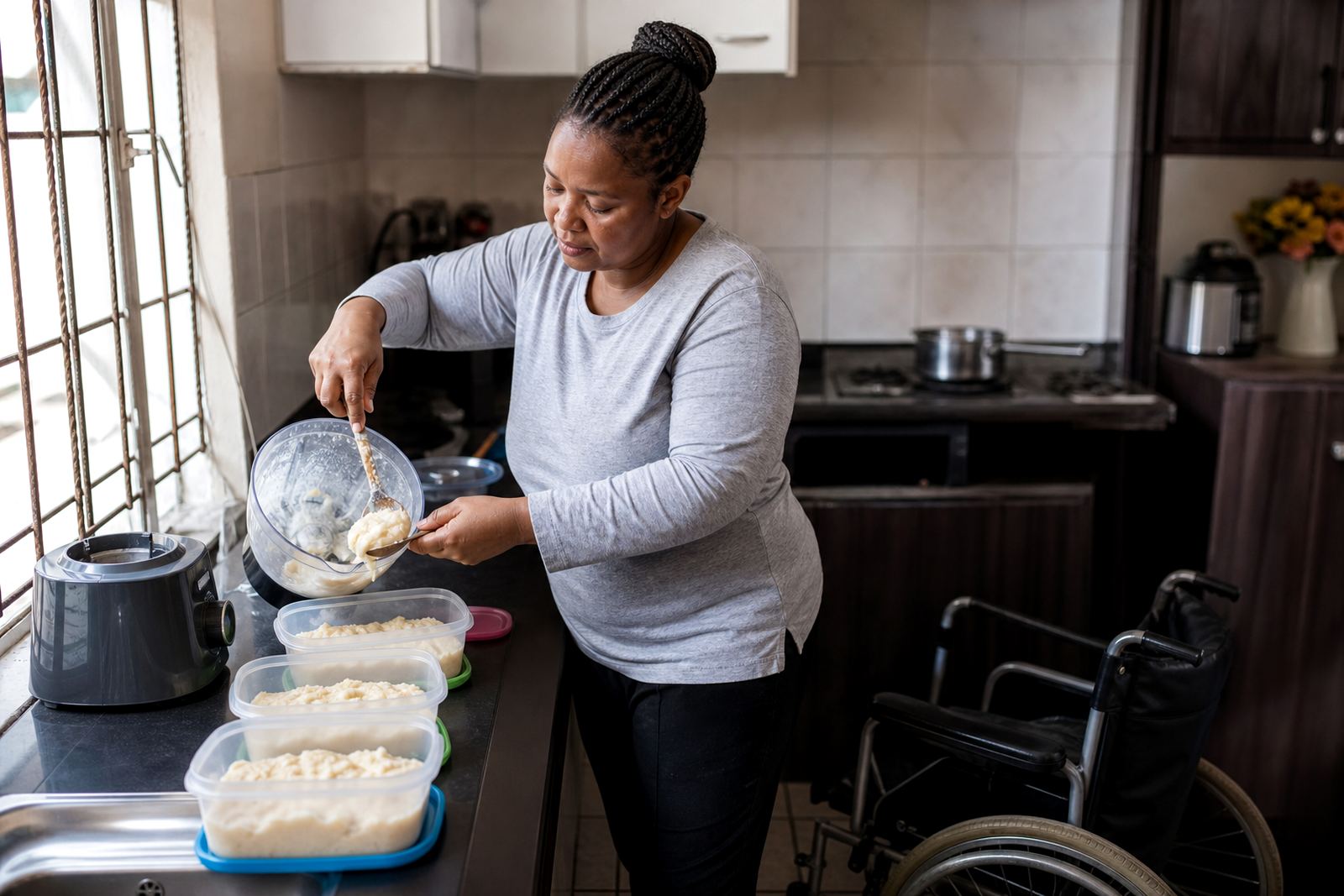
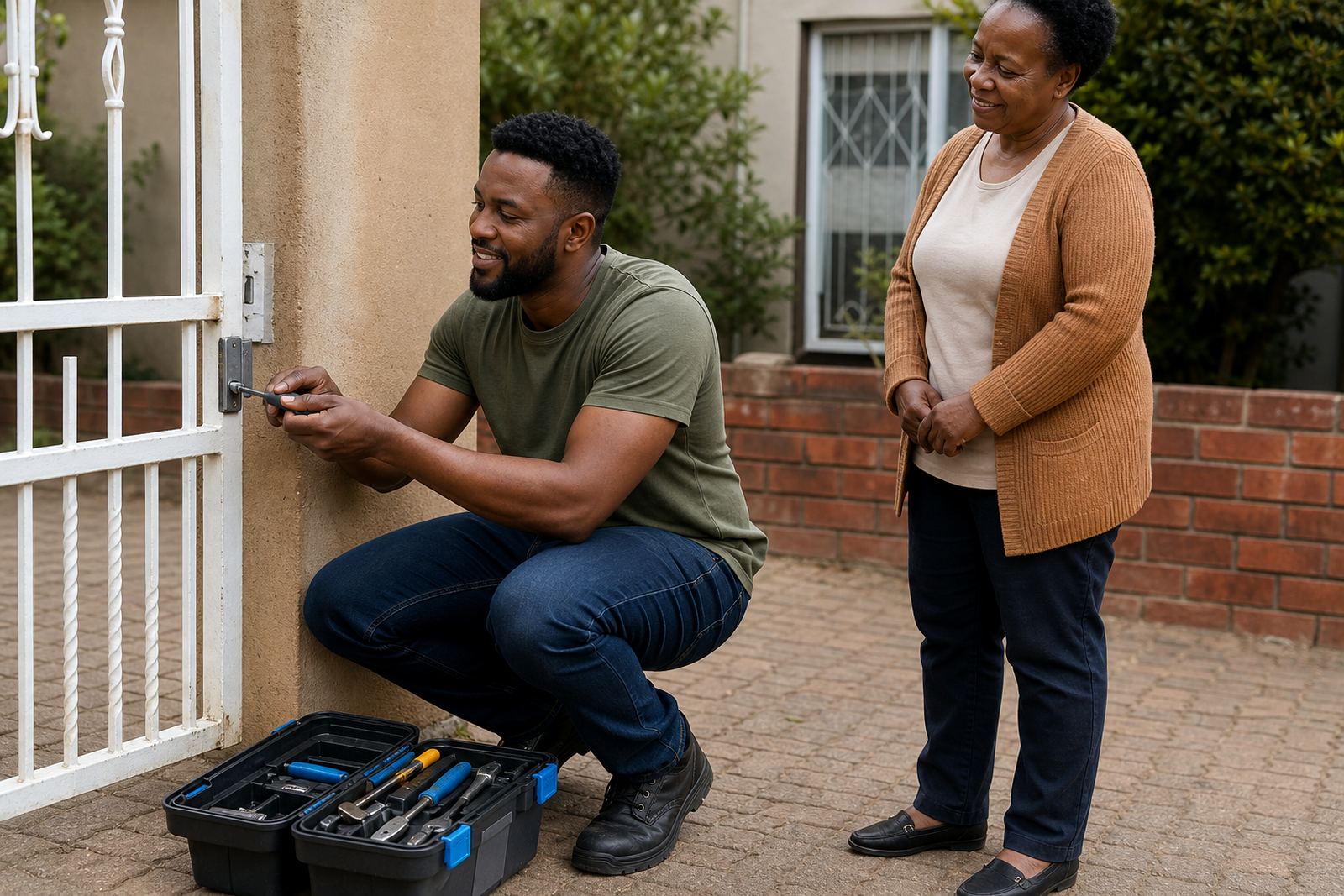
Not every community helper wears a uniform, carries a title or belongs to a formal group. In Braamfontein and across South Africa, many nominations come from people who step in because the need is there, not because a role was assigned. It may be the neighbour who checks on older residents, the auntie who feeds schoolchildren, the taxi marshal who keeps an eye on learners, or the young man who organises clean-ups after work.
For this use case, the nomination should explain the everyday pattern of help, not just one good deed. A strong story shows what the person does, who benefits, and how often the support happens. It also helps to say whether the helper works quietly in one street, across a ward, or through a small informal network. The clearer the picture, the easier it is to judge the nomination fairly.
Public nominations can come from Johannesburg, Cape Town, Durban, Gqeberha, Polokwane and other towns and cities. The point is not formality, it is real community value that can be shown in plain language.
What a solid informal-helper nomination should cover
The nomination form should read like a careful account, not a praise note written in a rush. A nominee can be informal and still be described with enough detail for review. The best entries usually answer a few basic questions without making the story bulky.
- Who the helper is, and what area they support
- What kind of help they provide, such as food, care, transport, safety or mentoring
- How long the support has been going on in practical terms
- Who sees the benefit, for example learners, elders, families or neighbours
- What makes the help reliable, consistent or especially useful
- Whether other people can verify the work from direct experience
Short, exact examples work better than broad claims. If someone helps with meals, say how the meals are organised. If they check on vulnerable neighbours, mention when and how that happens. If they collect clothing or school items, explain where those items go and who receives them.
Right now, our contact form is the easiest way to send nomination questions or amend details after submission.
Consent, privacy and sensitive details
Informal helpers often serve in close-knit communities, so privacy matters. A nomination should not expose private addresses, school records, medical details or family matters unless those details are truly needed and the nominee has given clear consent. The person being nominated should know they are being entered and should understand how their information may be used in the review process.
If the nominee is shy about public attention, say so in the form. That does not weaken the nomination. It helps the review team handle the entry with care. Where a helper works with children, vulnerable adults or households dealing with sensitive matters, the nomination should keep the facts relevant and avoid unnecessary detail.
It also helps to think about the public side of the nomination. A strong submission can still protect dignity. Use names, dates and locations only where they are needed for verification, and leave out anything that would place the nominee or community at risk. The Privacy Explained and Nominee Consent parts of the process are there for exactly that reason.
Evidence that fits a small, real-world story
Evidence for an informal helper is often modest, and that is fine. A nomination does not need a file full of paperwork to carry weight. It needs supporting detail that matches the story being told. Photos, short witness notes, simple records of activities and community references can all help, provided they are truthful and relevant.
For a person working outside formal systems, the judging team usually looks for signs of consistent service. That might be repeated feeding efforts, routine check-ins, regular transport help, or visible coordination during a local crisis. The evidence should match the claim. If the story says a helper has been active for years, the detail should show a pattern rather than a single moment.
Good submissions also avoid exaggeration. Do not stretch one act into a whole programme if that is not the reality. Do not pad the form with praise that cannot be checked. A clear account with a few strong examples is better than a long story with loose claims.
- Use exact dates where you can
- Keep witness notes short and factual
- Match photos to the activity described
- Leave out hearsay and inflated claims
How judging works for informal community helpers
The judging process looks at merit in plain terms. For informal helpers, the panel usually weighs the community need, the consistency of the help, the scale of the benefit and the strength of the evidence. A person who works quietly and steadily may stand out just as much as someone with a larger public profile.
Judging criteria are not meant to punish a small operation. They are meant to compare nominations fairly. The question is whether the nominee has made a genuine difference, whether the story is specific enough to assess, and whether the consent and privacy parts were handled properly. If the nomination is thin, vague or unsupported, it is harder to assess no matter how noble the intent.
In a case like this, it often helps to think about the daily pattern. Does the person turn up when others cannot? Do they fill a gap that local systems miss? Is the help dependable enough to matter over time? Those are the details that carry a nomination forward.
Planning the nomination and the costs people should expect
For most informal-helper nominations, the practical work is in writing, checking and tidying the details before submission. The system does not need special equipment, only a phone or computer, a few clear notes, and any evidence you already have to support the story. If you are organising entries for a community group, it helps to have one person gather names, another confirm consent and another keep the supporting files in order.
A simple layout works best. Start with the nominee’s name and area, then explain the help they give, then add proof and consent. Do not scatter the story across unrelated paragraphs. Keep the nomination tied to one clear person and one clear pattern of service.
Budget-wise, the costs are usually about gathering and presenting the nomination rather than paying for a large process. In Rand, a small submission may cost little beyond data, printing and a few copies of evidence. A more organised community effort can range from roughly R150 to R800 if you are collecting records, scanning documents or preparing several supporting notes. Larger group efforts with many nominees can move higher, depending on travel, printing and admin time. The main thing is to spend where clarity improves the nomination, not on decoration.
- Set one person to manage the paperwork
- Check that consent is recorded before submission
- Keep evidence matched to the exact claim
- Avoid long stories that do not add proof
Mistakes that make an otherwise good story harder to assess
The most common problem is vagueness. People write that someone helps the community but leave out what the help is, who receives it or how often it happens. Another mistake is using dramatic language instead of facts. The review team does not need a speech, it needs a record that can be understood and checked.
Missing consent is another issue. Even if the nominee is well known, the form still needs to respect personal choice and privacy. Some entries also fail because they include too much sensitive detail, especially where children, family hardship or health matters are involved. Keep those parts restrained and relevant.
It also helps not to mix different people into one nomination. If a group effort is being described, say that clearly. If the focus is one informal helper, keep the story centred on that person. Strong nominations are tidy, specific and easy to follow.
When people need help with the form, the enquiry side of the process can be started through our contact form, especially if the submission needs clarification on eligibility, updating a nomination or explaining the review steps.