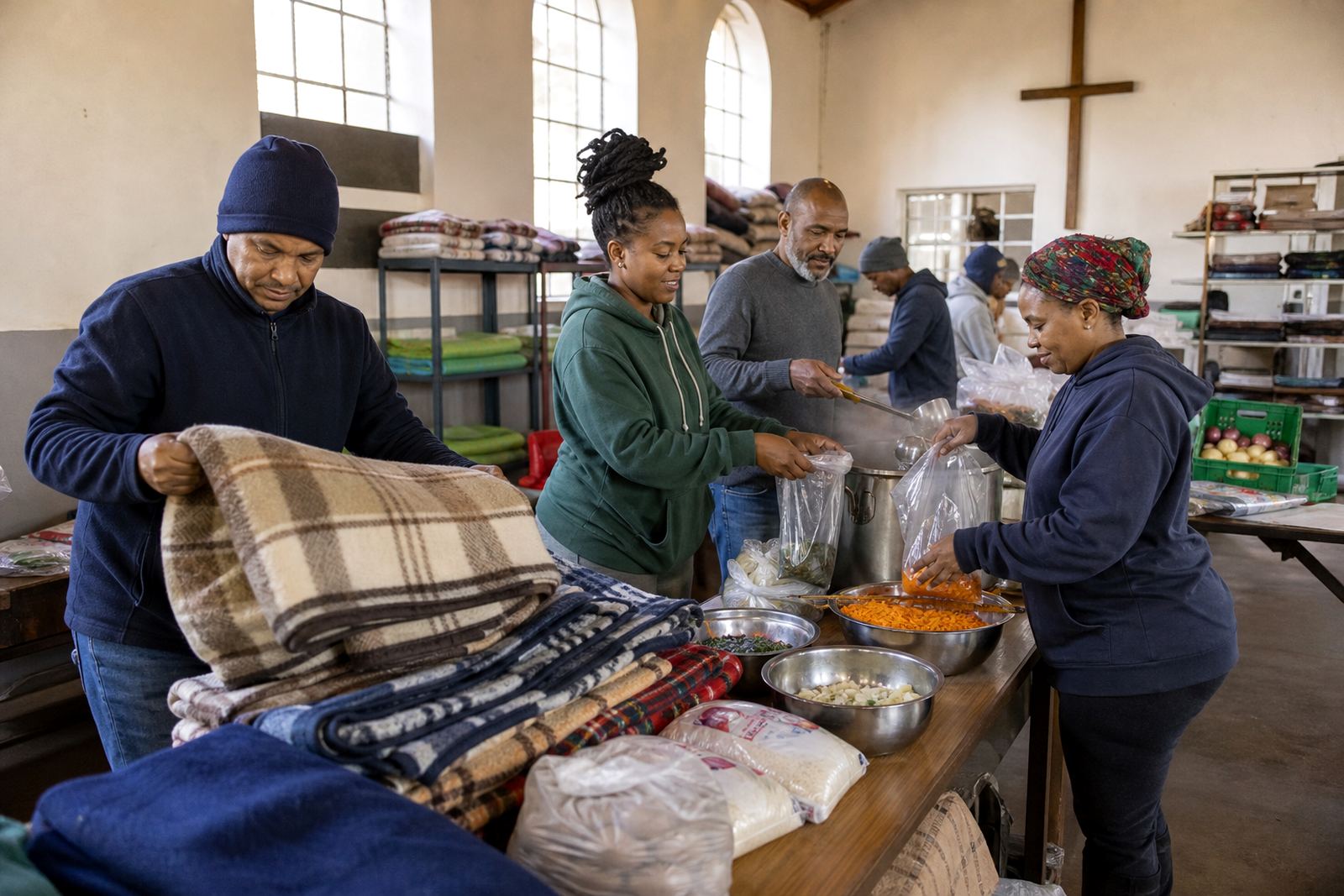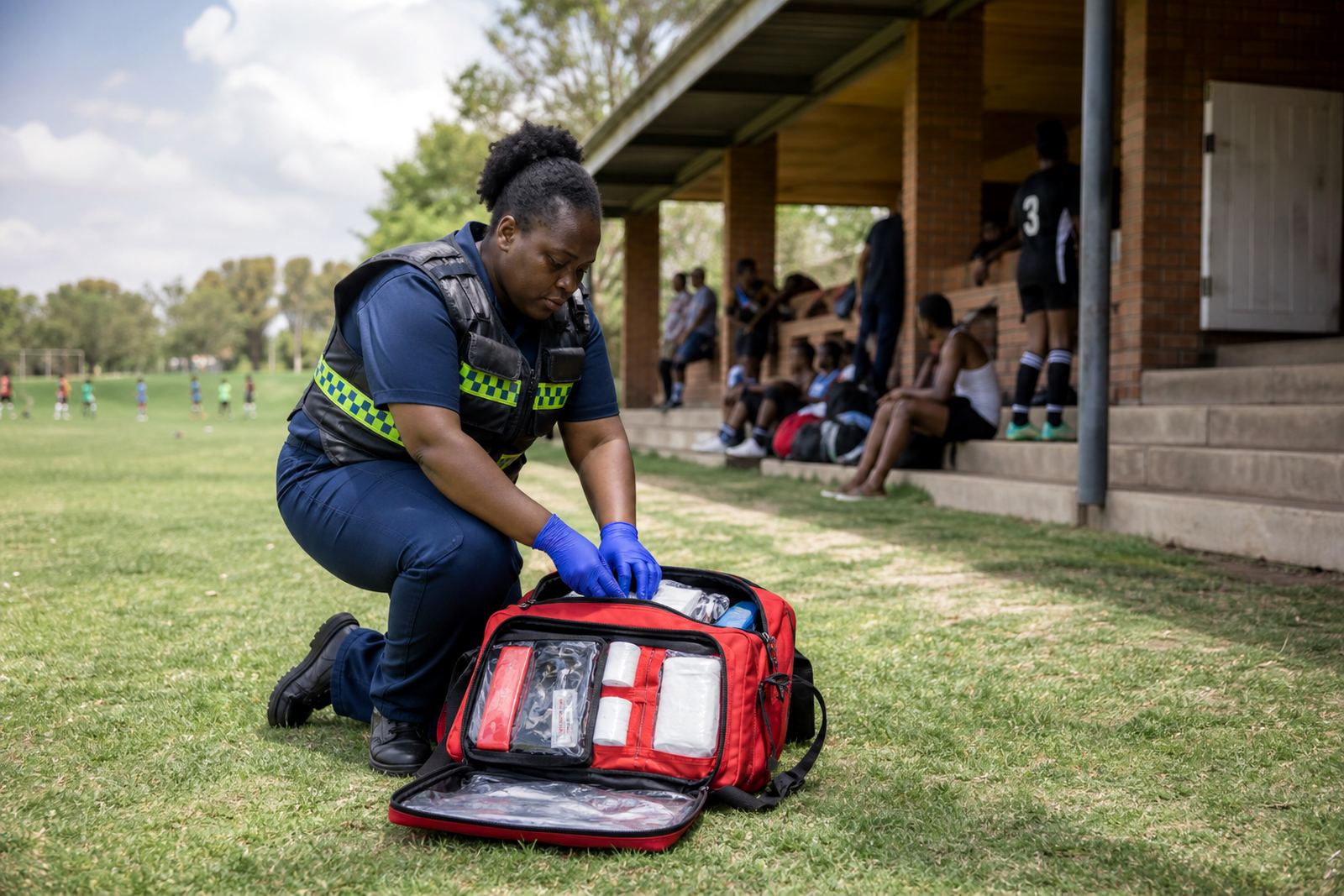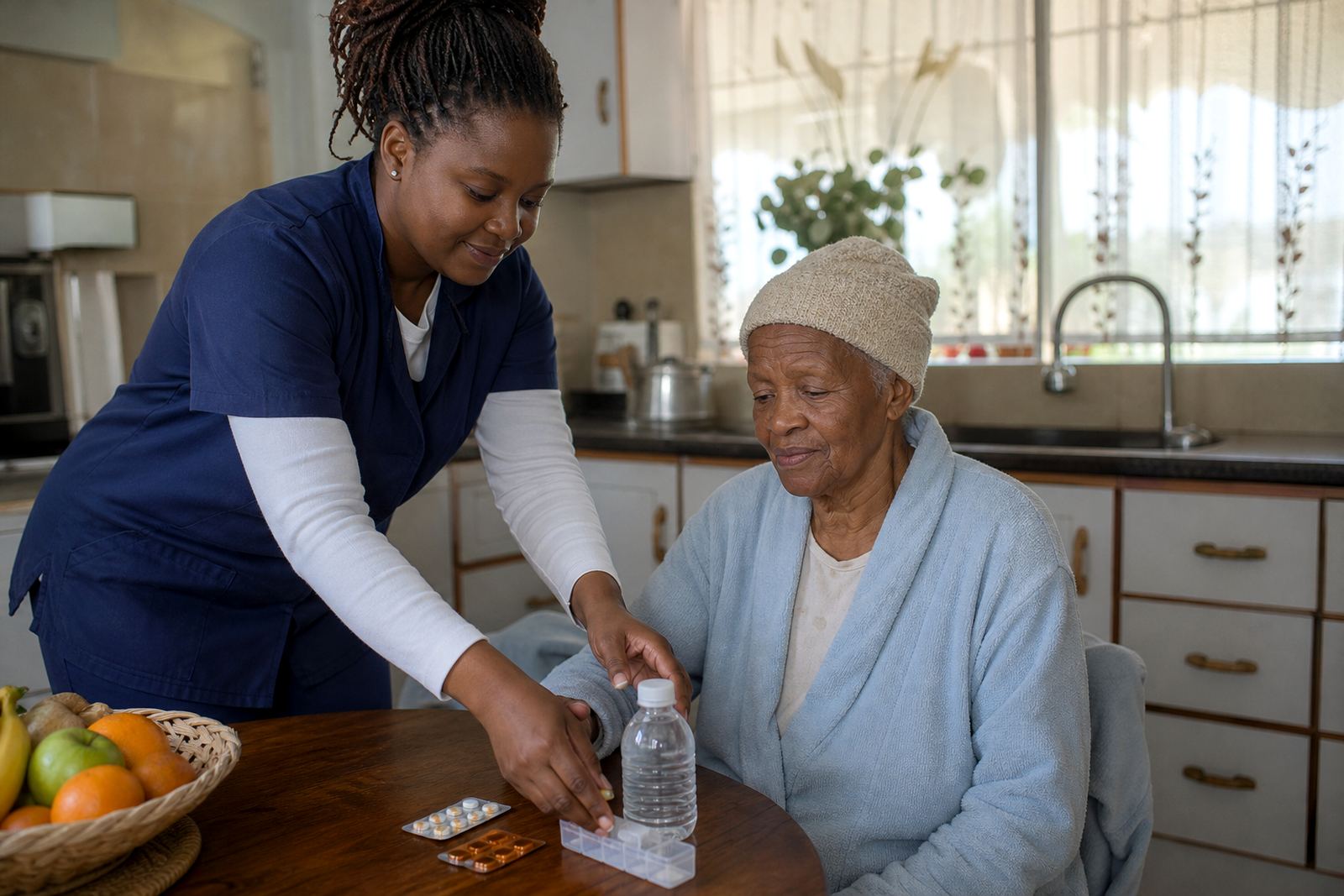
When a caring role is easy to overlook
A strong carer nomination usually starts with ordinary things that most people miss. It may be a neighbour who helps with meals, medication reminders, transport to appointments, washing, lifting, or short-term support after an illness. In a city like Johannesburg or in smaller towns across South Africa, carers often work in plain sight and still go unthanked.
The nomination should describe the day to day role clearly. Say where the support happens, who benefits, and what changes because of that care. A good submission does not need dramatic language. It needs a real story, in the nominee’s own context, with names, places and dates where those details can be shared safely.
- State the relationship between the nominator and the carer.
- Describe the type of support offered, not only the kind gesture.
- Show how long the help has continued and whether it is ongoing.
- Include the setting, such as a home, school, clinic or community centre.
What a nomination pack usually needs
For carers, the useful material is often simple. A written account, one or two supporting statements, and any relevant evidence can be enough if it is clear. Evidence may include a photo of the carer in a community role, a message from a family member, or a note from someone who has seen the support first-hand. Keep it factual and avoid guessing at details you cannot confirm.
Useful evidence does not need to be polished. What matters is whether it supports the story. If the carer works in a private home, think carefully about what can be shared without exposing sensitive information. Privacy matters more when children, medical information, or vulnerable adults are involved.
- Short written story with the main facts in plain English.
- Nominee consent where the person can be contacted and identified.
- Supporting evidence such as photos, letters or witness notes.
- Any privacy notes if names, faces or locations should be limited.
Most nominations can be prepared without spending much. In practical terms, the budget may be R0 if you already have the details, or between R150 and R800 if you need printing, scanning, data costs, taxi fares, or a signed consent form collected in person. If documents have to be couriered or certified, the amount can rise a little, but it should still stay modest.
Consent and privacy sit at the centre of the form
Carer stories often touch private parts of life, so consent is not a side note. The nominee should know they are being nominated and understand what information may be shared. If the carer is supporting someone who is not able to give consent on their own, the person responsible for that consent must be identified clearly in the nomination notes.
The safest approach is to keep sensitive details out of the public text unless they are truly needed for the judging process. Medical conditions, home addresses, identity numbers and school names should only appear when necessary and with care. Our contact form can be used to ask how to handle those details in a cleaner way before you submit.
- Tell the nominee what the nomination is for.
- Limit personal information to what the entry actually needs.
- Do not publish private health or family details unnecessarily.
- Use the privacy notes field for anything sensitive or restricted.
How a careful review tends to judge carer stories
The judging process looks for real service, not exaggerated wording. For carers, that usually means checking whether the nomination shows ongoing support, clear benefit to others, and a believable account of what the person actually does. A one-off act can matter, but a sustained pattern of care often carries more weight.
Clarity also matters. The strongest entries explain the practical role without wandering into vague praise. A judge should be able to understand what the carer did, who was helped, and why that support stands out in a community setting. If the nomination reads like a tribute but not like evidence, it can be hard to assess fairly.
Typical review points include whether the story is specific, whether the consent is in place, and whether the evidence matches the claim. A well prepared nomination helps the process move cleanly and gives the entry a fair reading.
Common slips that weaken a carer submission
Most weak nominations fail because the story is too thin. People often write that someone is kind or helpful, but they do not explain what the support looked like in practice. Another common mistake is mixing up the nominee and the nominator, which makes the record harder to follow. Keep the voice plain and make sure the facts line up.
Another problem is adding too many unverified claims. If someone says the carer changed a whole community, then the entry should show how that happened. Small, truthful detail is better than grand claims with no support. The form should also be checked for spelling, missing dates and incomplete consent notes, especially where several family members are involved.
- Do not submit praise without examples.
- Avoid overlapping stories from different people unless they are linked.
- Do not attach private documents that are not needed.
- Keep one person responsible for final review before submission.
From Braamfontein to the rest of the country
Our team works from Braamfontein, Johannesburg, and nominations are open across South Africa, including Johannesburg, Cape Town, Durban, Gqeberha and Polokwane. That matters for carer stories because the details can look different from place to place. A home-based carer in Gauteng may work in a very different rhythm from someone supporting elderly neighbours in Limpopo or helping a family after school in the Eastern Cape.
The regional structure helps keep the process organised without forcing every nomination into the same shape. The same care, patience and privacy rules apply, but the supporting facts should reflect the setting where the help happens. If a nomination spans more than one area, say so clearly so the review team can read it in the right context.
When you are ready to submit, use the enquiry form on our contact page. A carer nomination that is honest, specific and consent-aware tends to read well, because it shows the work as it really is.