When a caregiver deserves a nomination
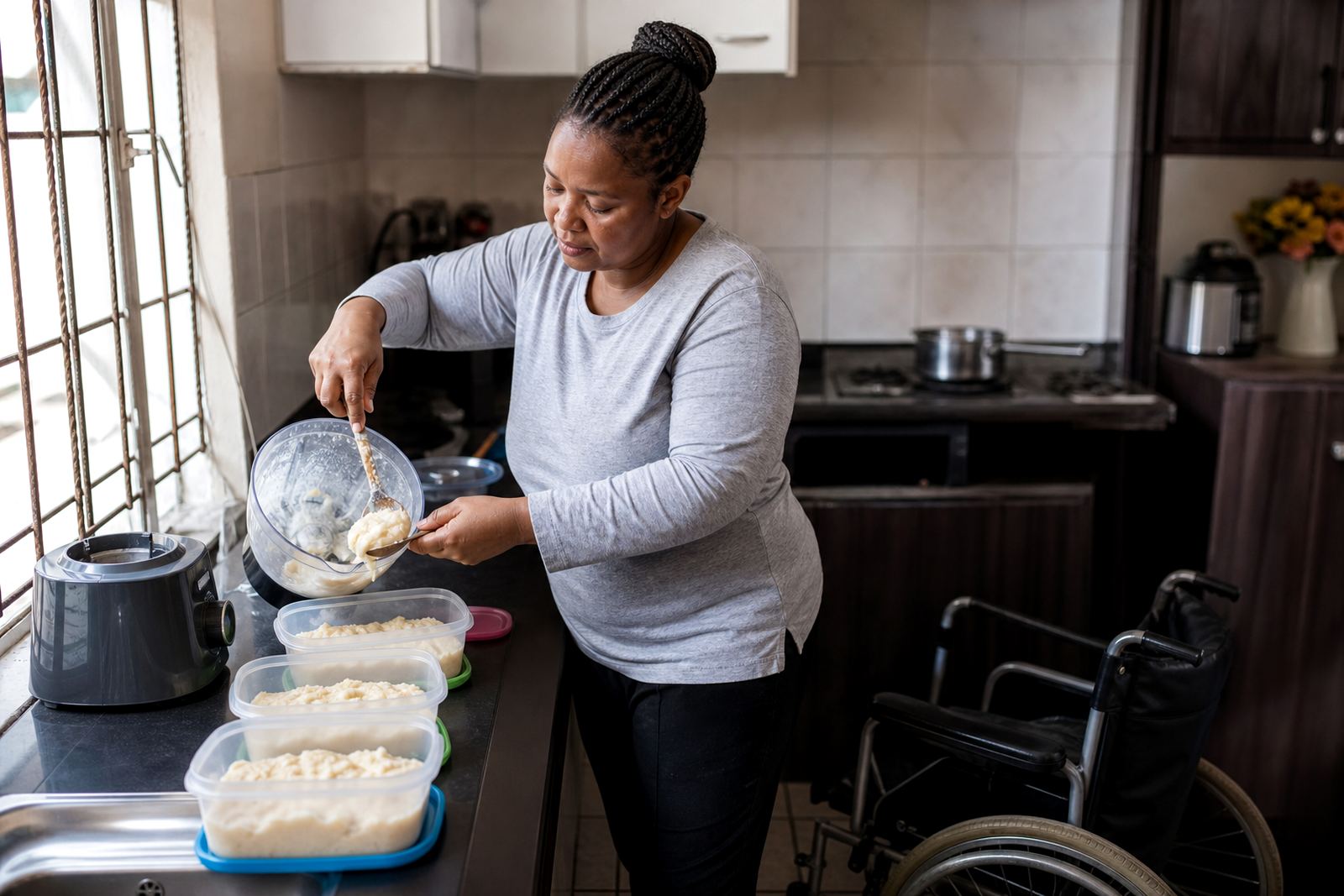
Home caregivers are often family members, neighbours or paid helpers who do the ordinary work that keeps a household steady. They may prepare meals, help with bathing, keep watch during illness, manage lifts to appointments, or sit through long nights when someone cannot be left alone.
A nomination works best when the care is specific and sustained. A short story about one kind act can help, but the stronger entries show what the person has carried over time, who benefited, and why the help mattered in daily life. That is useful whether the nominee is in Johannesburg, Cape Town, Durban, Gqeberha or Polokwane.
- Describe the caregiving role in plain words.
- Show how the support affected the household.
- Name the setting, such as a home, clinic visits or school runs.
- Keep the story honest and factual, not inflated.
How to shape a nomination that reads clearly
Use the nomination form to give a clear picture of the person and the care they provide. Start with who they are, what they do, and how often the support happens. Then add one or two concrete moments that show the level of effort, such as lifting a frail parent, organising medication times, or stepping in when a child needs after-school care.
The best nominations do not try to sound grand. They explain the situation, the need, and the steady help that made a difference. If you are writing on behalf of a family, keep the tone calm and direct. If the caregiver is a neighbour or community helper, explain how they became involved and what the arrangement looks like in daily life.
- Use names, ages or relationships where relevant.
- Include the length of time the care has been provided.
- Mention whether the support is daily, weekly or occasional.
- Note any practical strain the caregiver takes on.
Useful evidence without overloading the form
Evidence should support the story, not bury it. A few photographs, short notes from people who know the situation, or copies of relevant records can help, provided they are lawful to share and the person concerned agrees. For home caregiving, evidence might also include clinic appointment cards, school communication that shows transport support, or written confirmation from a family member who can describe the arrangement.
There is no need to send everything you have. A nomination that is easy to follow usually carries more weight than one packed with unrelated pages. Keep the focus on the caregiving itself, the responsibility carried, and the difference made at home.
- Choose items that link directly to the care story.
- Remove anything that is not relevant to the nomination.
- Keep scans and photos readable, with names legible where allowed.
- Do not include private medical records unless they are truly needed and consented to.
Consent and privacy before you submit
Consent matters when a nomination names a living person and describes their care work. The nominee should know they are being put forward, and they should agree to the nomination where possible. If the person cannot give consent in the usual way, explain the circumstances carefully and only include what is necessary for the review.
Privacy is just as important. Home caregiving can involve sensitive family matters, illness, disability, children, or financial strain. Keep the story respectful and avoid unnecessary detail. If there is information that would expose a household or place someone at risk, leave it out or generalise it. Our contact form can be used for questions about consent, privacy and sensitive information before you submit.
- Ask before naming someone in a public entry.
- Share only details that support the nomination.
- Avoid medical or family facts that are not needed.
- Use cautious wording where there is a risk of harm or embarrassment.
Judging a home caregiving nomination
Judging looks at the strength of the story, the level of responsibility, and the value of the care to others. A nomination is stronger when it shows clear service, not just a single kind gesture. Reviewers also look for honesty, good structure, and enough detail to understand what the nominee actually does.
For home caregivers, the panel needs to see whether the person has taken on regular work that protects dignity, safety or daily function. That can include feeding, bathing, escorting, emotional support, or helping a family cope through illness or disability. A steady, practical pattern often matters more than dramatic language.
- Clarity counts more than fancy wording.
- Specific care duties matter more than praise alone.
- Regular effort is easier to assess than vague description.
- Respectful language helps the nomination land well.
Planning the nomination package and the budget
Most home caregiving nominations can be prepared with a modest budget. If you are gathering printed photos, certified copies, scanning support, or postage, many households spend somewhere between R150 and R600. If you need help writing the story properly, translating supporting notes, or organising documents from different family members, the spend can sit closer to R500 to R1,500 depending on how much needs to be prepared.
For more involved cases, especially where several people contribute statements or the care story stretches over many years, a family may set aside R1,500 to R3,500 for document handling, printing and careful preparation. The point is not to spend heavily. It is to make the submission legible, complete and respectful.
- Keep your files in one folder before you upload.
- Label photos and notes so they are easy to follow.
- Use a clean layout for long stories and multiple contributors.
- Check that each attachment earns its place in the file.
Common mistakes that weaken a caregiver nomination
One common mistake is writing in broad praise without showing what the person actually does. Another is leaving out the nominee’s consent or sending private details that should never have been shared. Some entries also drift into family history and miss the caregiving work entirely.
It also helps to avoid exaggeration. If a helper visits three times a week, say that. If the caregiver covers mornings only, say that. A grounded nomination is easier to trust than one that tries to sound larger than the facts. After you submit, keep your own copy of the story and the documents in case any part needs to be checked later.
- Do not rely on praise without examples.
- Do not overshare family or medical matters.
- Do not guess at dates or responsibilities.
- Do not forget to check the nominee’s consent.