When a neighbour deserves a nomination
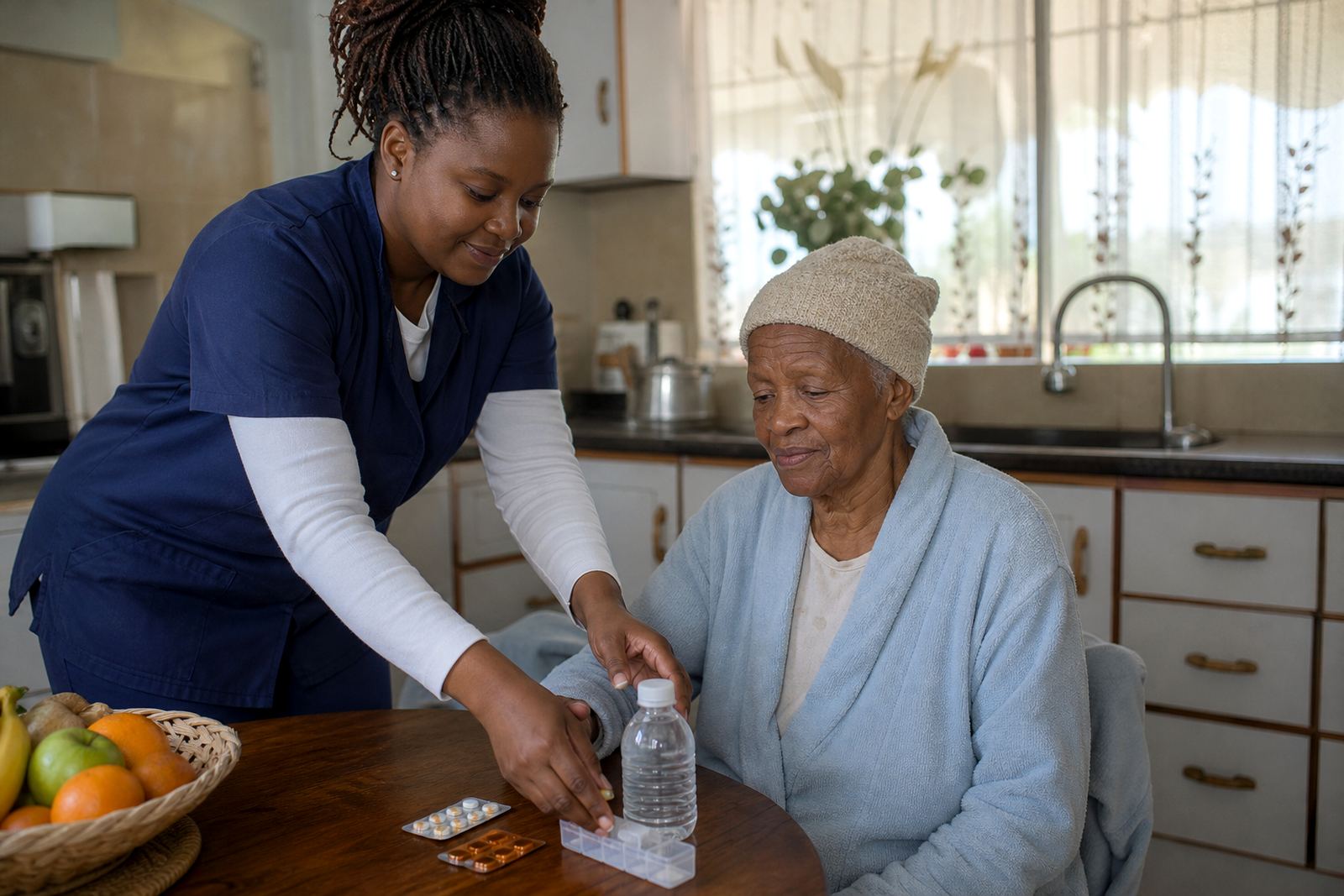
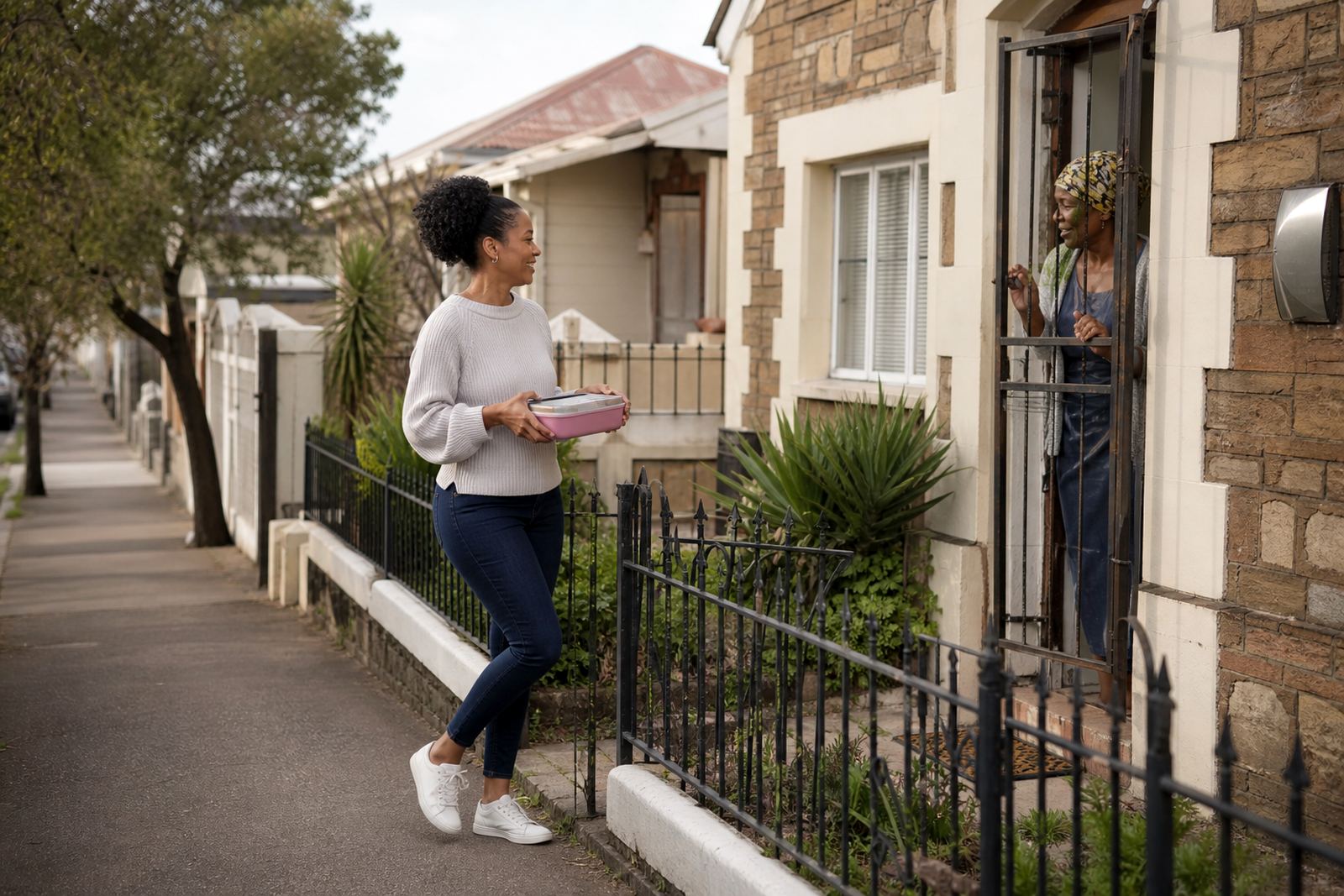
A strong neighbour nomination usually comes from lived experience. It may be the person who checks on an older resident, helps carry groceries for someone with limited mobility, keeps an eye on children after school, or steps in during a home emergency before formal help arrives. The best nominations show a steady pattern, not a single good deed with no context.
For this use case, the person is often known to more than one household on the street or in the block. The nomination should explain what they do, how often they do it, and who benefits. A short story with clear facts is more useful than a long speech filled with praise.
- Describe the neighbour’s role in plain terms.
- Show repeated help over time.
- Use real examples from everyday life.
- Keep the focus on the nominee, not on a whole group.
People in Braamfontein, Johannesburg, and throughout South Africa can send a nomination via our contact form.
How to shape the story without overdoing it
The story should read like something a community member could verify. Name the type of help, the setting, and the effect on the people around them. If the neighbour supports several households, list the pattern in a calm way. Avoid grand claims that cannot be checked, and do not pad the form with extra detail just to make it sound bigger.
A useful nomination usually answers four questions: what did the neighbour do, for whom, how often, and why does it matter. That structure helps the judging process because it shows regular support, practical action, and community value. A clear account from one person can still be strong if it is specific.
- Keep dates approximate if exact dates are not known.
- Use names only where consent allows it.
- Separate what you saw from what you heard second-hand.
- Keep the language steady, not dramatic.
If the nominee is known in Gauteng Nominations, Western Cape Nominations or KwaZulu-Natal Nominations, the same standard applies: clear facts, careful wording, and no exaggeration.
Evidence that helps a neighbour nomination hold together
You do not need a file packed with papers, but a nomination does benefit from useful proof. Photos, short written statements from neighbours, a community group message, or a note from a local leader can help, provided the nominee has consented to share their information. Evidence should support the story rather than replace it.
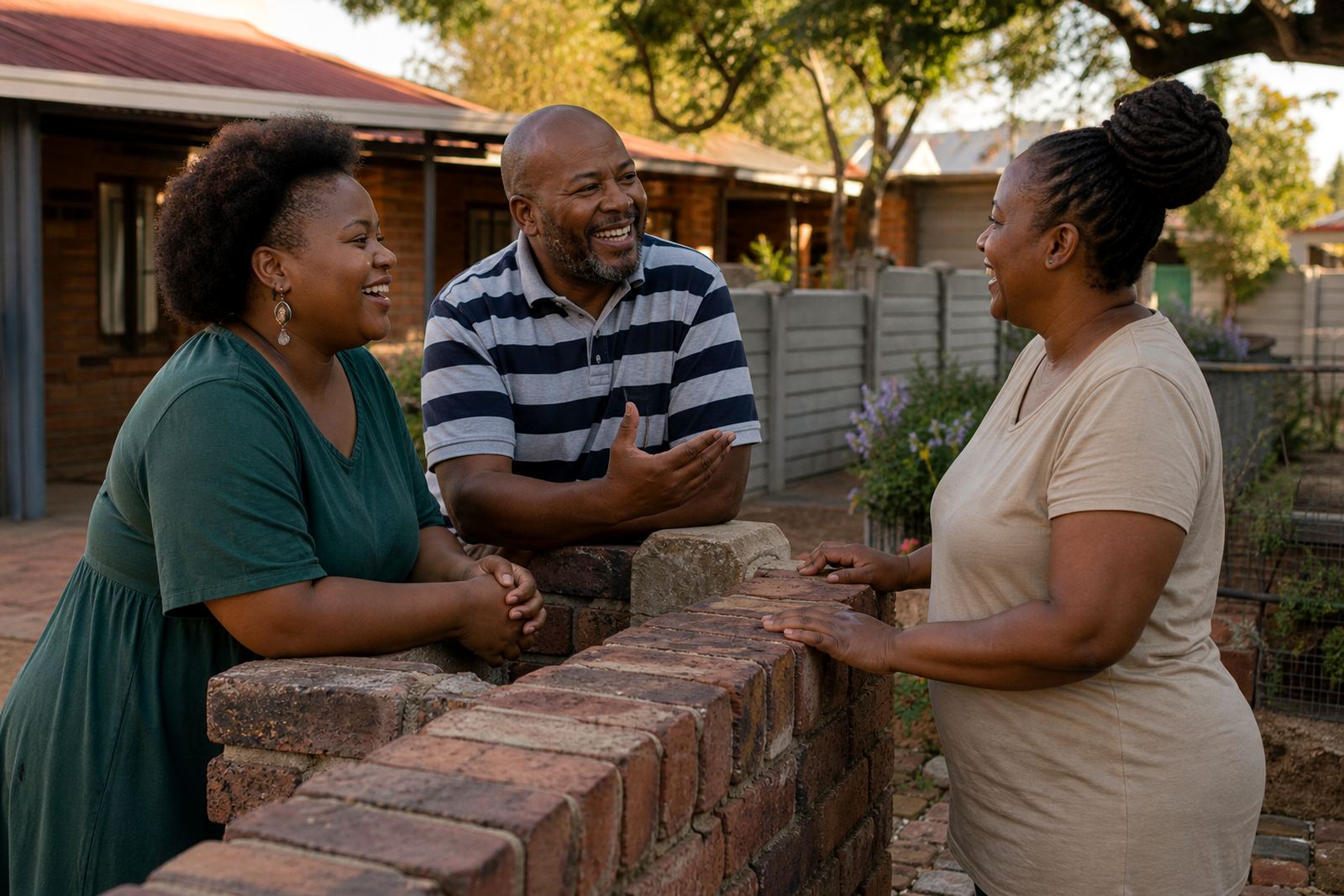
Good supporting material usually shows the everyday nature of the help. A photo of the neighbour helping at a fence line, a message about checking in after an illness, or a short note from someone they assist can all add weight. Keep copies readable and avoid sending private medical records unless they are truly relevant and the person has agreed to share them.
- Collect evidence that matches the story.
- Keep images clear and labelled.
- Do not submit private details without permission.
- Choose a few strong items instead of a messy bundle.
For nominees in the Eastern Cape, Limpopo, Free State, North West or Mpumalanga, the same advice applies: useful evidence should be practical, modest and easy to check.
Consent and privacy before anything goes in
Consent matters before a neighbour is nominated. The nominee should know their name and story may be reviewed as part of the programme, and they should agree to that. If the story includes family details, health matters, home circumstances or a vulnerable person in the household, those parts need careful handling. The privacy question is not an afterthought, it sits right beside the nomination itself.
Our privacy and consent process is there to keep the submission fair and respectful. A person may be generous with help and still want private details kept out of view. That preference should be followed. If you are not sure whether something belongs in the form, leave it out and keep the nomination focused on the service to the community.
- Ask the nominee before sharing their name.
- Keep sensitive family facts out unless needed.
- Do not attach private documents casually.
- Use our contact form if you need guidance on consent wording.
Questions from the public about privacy, changes to a nomination, or follow-up after submission can all be dealt with through our contact form.
What the judging process looks at in a neighbour case
Judging is based on plain questions. Does the nominee serve others regularly, is the help genuine, and does the story show clear benefit to the people around them. The process is meant to compare nominations on merit, so the details matter more than decorative language. A neighbour who quietly keeps a street functioning can be just as compelling as someone with a louder public profile.
Judges look for consistency, local impact, credibility and the level of care shown to others. They also need the nomination to sit within the rules of the programme. If a submission is vague, heavy on praise and light on detail, it is harder to assess. If it is short but well structured, it often reads better.
- Consistency over time carries weight.
- Practical help matters more than polished wording.
- Community benefit should be easy to see.
- The nominee’s consent and privacy must be respected.
Pieter Jacobus van Wyk coordinates the judging process, while Lerato Michelle Maseko handles privacy and consent matters. The programme is open across South Africa, including Johannesburg, Cape Town, Durban, Gqeberha and Polokwane.
Planning the nomination without wasting money
Most neighbour nominations can be prepared on a very small budget, and some cost nothing at all if you already have the notes and photos you need. A realistic range for prints, scans, transport to collect statements, or photocopies is often between R0 and R300. If you need to arrange more formal written support or pay for careful copying of documents, the total may move into the R300 to R800 range.
Keep the budget tied to the submission itself. There is no value in spending heavily on fancy paper or polished extras if the facts are weak. A neat digital file, a short written account and a few good supporting items are usually enough for this kind of nomination.
- Gather what you already have before spending anything.
- Use clear scans instead of bulky paper bundles.
- Keep copies of every file you send.
- Spend on proof, not presentation.
If you are unsure how to present the nomination for a neighbour who often steps in, our contact form is the place to send the details.