When an adult nomination fits the brief
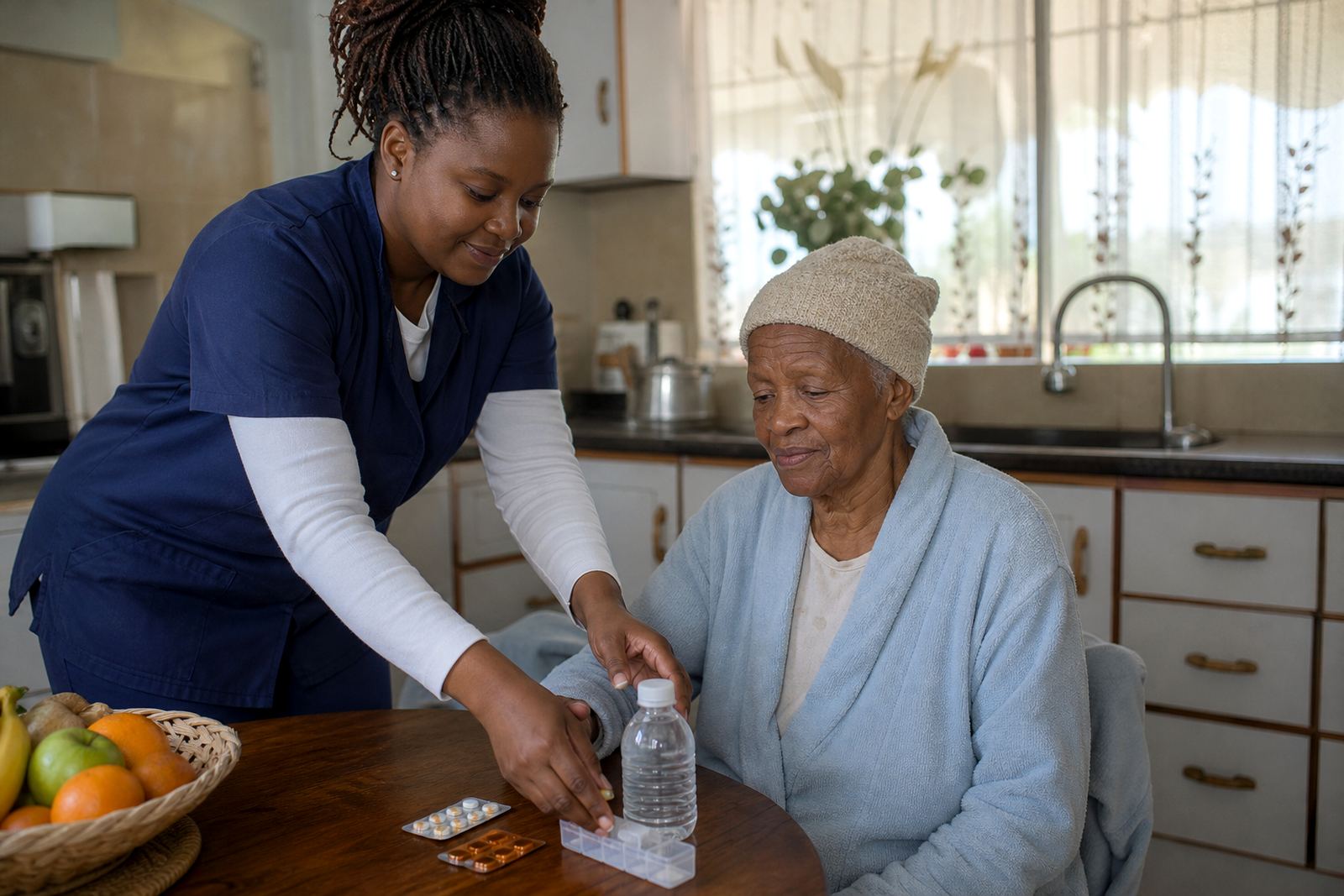
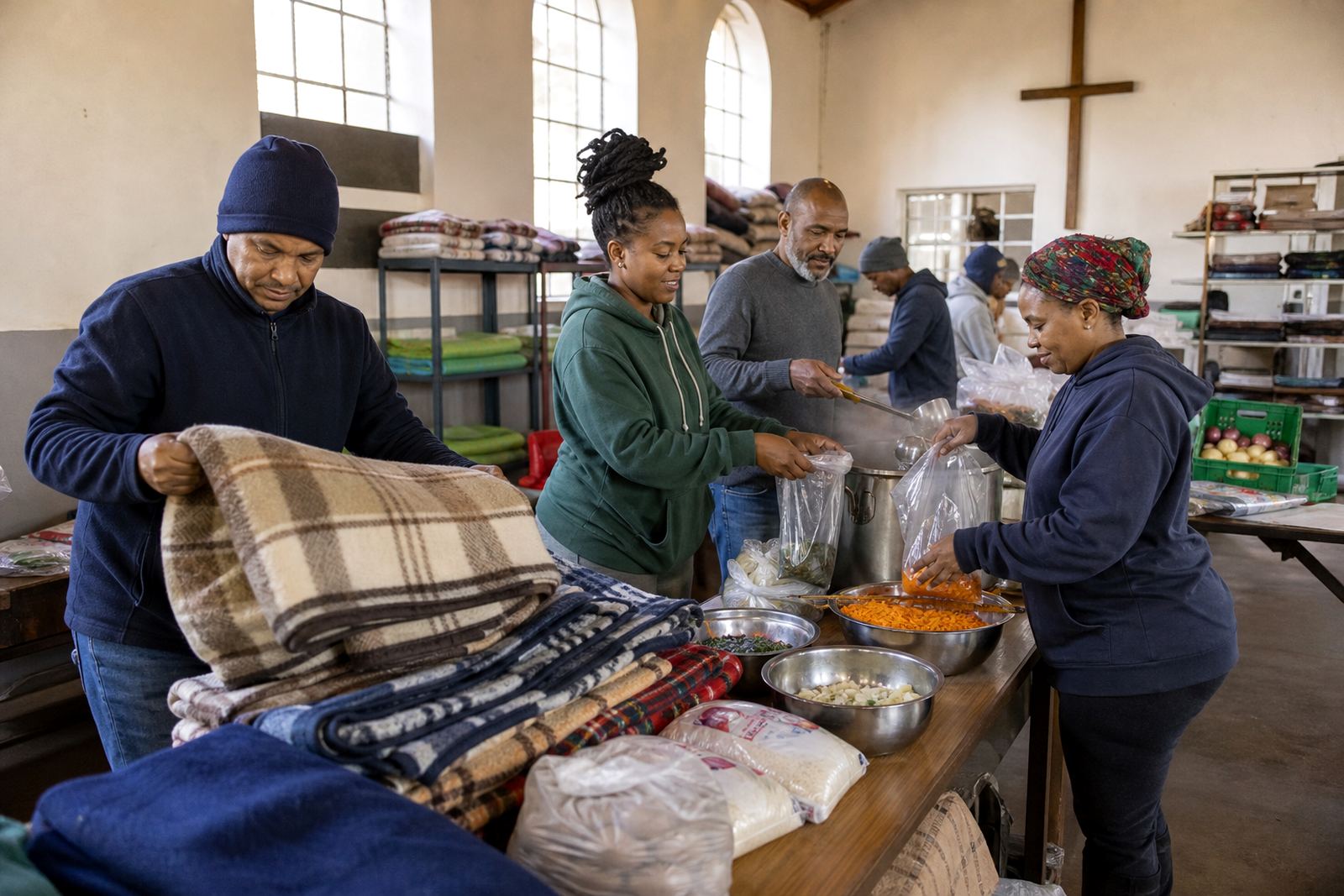
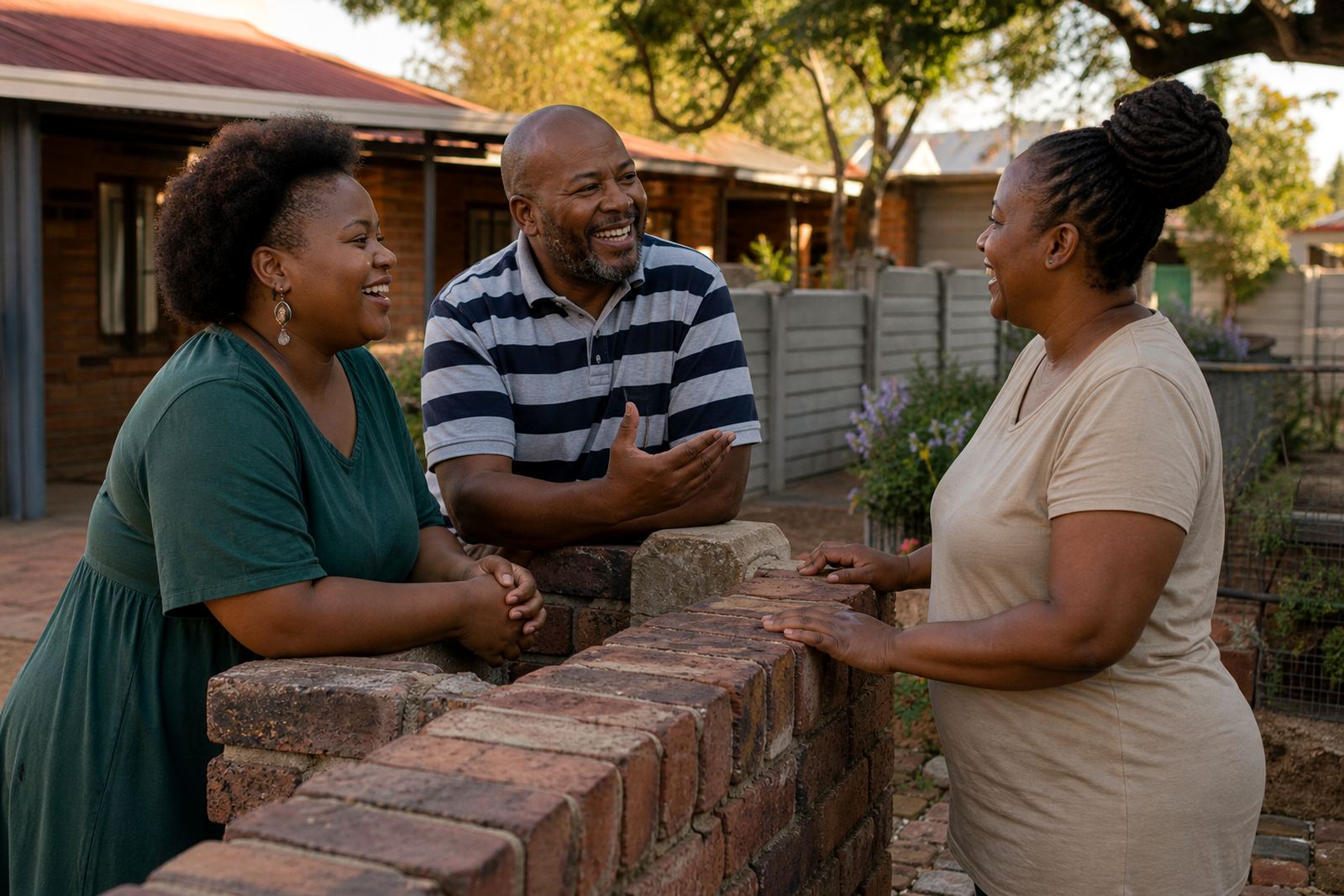
An individual adult nomination suits a person who steps in without doing it as part of a paid role or formal mandate. That can include a neighbour who checks on older residents, a volunteer who organises food parcels, a carer who supports a household through illness, or a teacher who gives extra time where a learner needs it. The key question is whether the help is practical, personal and clearly useful to other people.
For this use case, the strongest entries stay specific. A nomination that says someone is kind is too thin on its own. A nomination that explains what they did, who benefited, how often it happened, and what changed for others gives the judging process something real to assess. If the work is ongoing, say that. If it was a single intervention at a difficult moment, explain that too.
Our Braamfontein, Johannesburg team works with nominations from Gauteng, Western Cape, KwaZulu-Natal, Eastern Cape, Limpopo, Free State, North West and Mpumalanga. Public nominations can be submitted from Johannesburg, Cape Town, Durban, Gqeberha and Polokwane, and the same basic standard applies everywhere: clear facts, consent from the nominee, and a fair description of the help given.
What to gather before writing the story
A good nomination is easier to submit when you have a few facts ready. You do not need a formal file cabinet worth of papers, but you do need enough detail to show that the nomination is grounded in real events. Useful evidence can include dates, locations, short witness notes, photographs where appropriate, messages confirming the help, or a brief account from someone who saw the work happen. Keep sensitive details limited to what is necessary.
- Full name of the nominee and the town or area where they help.
- A short account of what they do for others in practice.
- Examples that show impact, not just good intentions.
- Consent from the nominee before submitting personal details.
- Any privacy limits, especially where children or vulnerable people are involved.
It helps to write the story in plain South African English, with no dramatic language that clouds the facts. If the nominee helps in more than one setting, separate those roles clearly. A person who tutors after school and also drives a neighbour to clinic appointments is doing two different kinds of help, and the nomination should show both without mixing them up.
How a strong nomination is judged in plain terms
The judging process looks for substance, not polish. A strong nomination shows that the adult acted in a personal capacity, that the help reached real people, and that the effort was sustained, useful or especially important in the moment it happened. The review team also checks whether the nomination matches the category and whether the information is clear enough to assess fairly.
Judging criteria are kept practical. The story should describe the nominee’s contribution, the scale of benefit, and the difference it made in everyday life. If the person stepped in during a crisis, say what they did and why it mattered. If the contribution was steady over time, explain the pattern. A clean account is always better than a long one with loose claims.
- Was the help personal and direct?
- Did it clearly benefit other people?
- Is the nomination specific rather than general?
- Does the story match the supporting evidence?
- Has the nominee given informed consent?
Privacy is part of the review too. Sensitive details are handled carefully, especially when the nomination refers to health, family difficulty, abuse, poverty or safety concerns. Only include what is needed to explain the contribution. If a detail is not necessary to understand the nomination, leave it out.
Consent, privacy and sensitive details
Nominee consent is not a box-ticking extra. If an adult is being put forward for recognition, they should know their name and story are being submitted. Where the nominee may not want certain details shared, keep those details out of the main story and use only what is needed for review. This matters even more when the person helps in a small community where private matters can travel fast.
Our Privacy and Consent Officer works with nomination records so that personal information is handled in a controlled way. That includes checking what can be shared publicly, what should stay internal, and how to treat notes that refer to children, medical situations, domestic issues or financial hardship. If you are unsure whether a detail belongs in the entry, leave it out and keep the account tight.
For adults acting personally, a nomination should not turn into a public diary. It must show the service or support given, not expose the nominee or the people they helped. A careful nomination is often the one that is easiest to assess because it avoids unnecessary noise.
Layout tips for a clean adult nomination
Think of the nomination like a short case note. Start with who the person is, where they operate, and what kind of help they provide. Then move into a few concrete examples. End with the result. That structure keeps the story readable and reduces the risk of leaving out useful facts. If the person has helped in more than one suburb or town, name those places plainly.
Many people try to write too much in the first paragraph. That often buries the important part. It is better to keep the opening short and let the evidence carry the story. If there are photos, letters or supporting notes, make sure they match the story exactly and do not repeat the same point in three different ways.
Common mistakes include vague praise, inflated claims, missing consent, and mixing a private act of help with a formal job description. Another frequent problem is leaving out the effect on other people. A nomination for an adult should show benefit, not just effort. If you can explain who was helped and what changed, the entry is already in better shape.
Budget ranges for putting a nomination together
There is no prize amount to estimate here, and the programme does not rely on a spend-heavy submission. For most people, the main cost is time. If you want to prepare supporting notes, print a few photographs, or collect short witness statements, a modest budget of R0 to R250 is often enough. That covers basic printing and transport in many ordinary cases.
Where a nomination needs more preparation, such as gathering older records or organising a careful written account, the budget can sit between R250 and R800. This is usually about practical admin rather than anything elaborate. If the story involves several places or several witnesses, allow a little extra for stationery, printing and travel in and around the local area.
There is no need for a glossy package. A well-written entry with accurate facts is more useful than an overworked submission with too much paper. Keep the focus on the adult’s contribution, the people they helped, and the consent and privacy checks that make the nomination responsible.
After you submit, what stays relevant
After a nomination has been sent through our contact form on the contact page, keep your notes organised in case the entry needs more detail later. Save the exact wording you used, the supporting points you added, and any consent note that guided the submission. If the nominee’s role changes, or you realise a detail was too broad, it helps to have the original version on hand.
Public questions, updates to a nomination, the review process and sensitive information all sit within the same practical framework: keep it clear, keep it honest, and keep it respectful of the person being recognised. That approach works well for adults who help neighbours, learners, patients, families and community groups in direct, human ways. It also gives the judging process a fair picture of what was done and why it mattered.