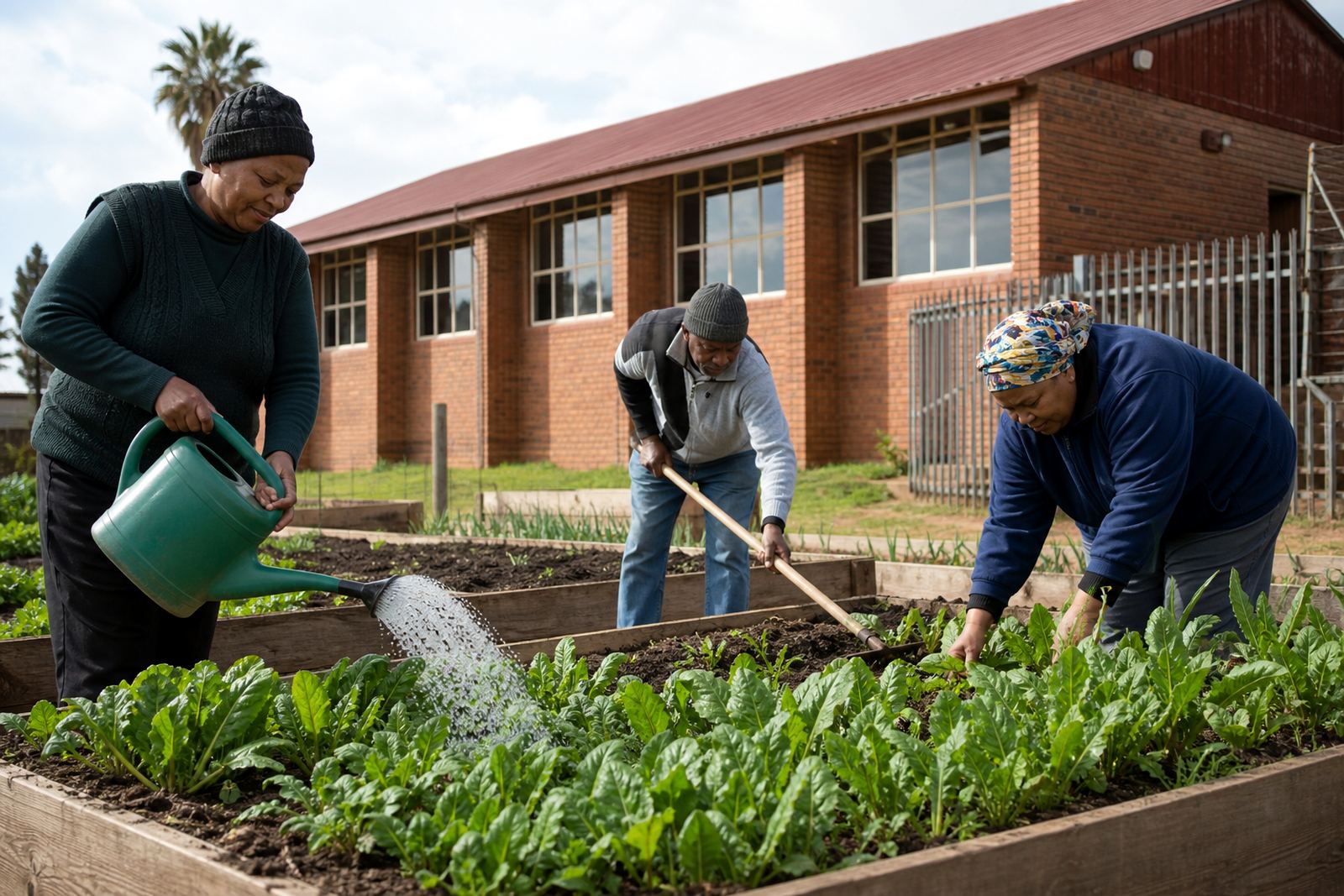
What the School Supporter category covers
This category is for everyday support that helps a school function better in real life. That can mean fixing broken items, sending supplies, organising transport, helping at events, reading with learners, or stepping in when a school needs a calm practical hand.
The strongest nominations show regular support, a real link to the school and clear examples of what the person did. A short story works better than a long praise note if it explains the help in plain terms.
Sizes and nomination styles that fit the category
School Supporter is not about a one size fits all profile. Some nominations describe one person helping a single school. Others cover a small group, such as neighbours or a local volunteer team, where the support is shared and consistent.
- Individual support for one school community
- Joint support from a family or volunteer group
- Support linked to a project, drive or school activity
- Ongoing practical help over a school term or longer
When you write the nomination, keep it clear who is being nominated and what the support looked like. If the person helps more than one school, name the main school or the most recent one that can speak to the work.
Where this support suits on the ground
This category suits schools in city suburbs, township areas, small towns and rural communities. In Johannesburg, Cape Town, Durban, Gqeberha and Polokwane, the support can look different, but the main point stays the same: the nominee is helping a school in a practical way that pupils and staff can feel.
It often fits work around food drives, reading support, classroom upkeep, safety help, sports days, garden work, repairs, uniform drives and transport arrangements. The nomination should show the real setting, because that context helps the judging process understand the contribution.
- Primary schools and high schools
- Public schools and community-run learning spaces
- One-off projects with a clear school benefit
- Longer support tied to a school calendar or term pattern
What makes a strong nomination file
A strong nomination tells a simple story. It names the school, explains the support, and gives dates or time periods where possible. Photos, letters from the school, message records and receipts can help when they clearly match the nomination.
Do not overload the form with loose detail. A few clean examples are better than pages of vague praise. If the support involved donations, say what was given and how it was used. If it involved hands-on work, describe the task, the people involved and the result.
- Full name of the nominee
- Name of the school and area
- Clear description of the support
- Evidence that matches the story
- Permission from the nominee before submission
Consent, privacy and sensitive details
Nominees should know they are being put forward. That matters when the story includes personal effort, public recognition or photographs. If a school is named in the nomination, check that the details shared are suitable for public use and do not place learners or staff in an awkward spot.
Keep sensitive information limited to what is needed for the review. Contact details, child-related information and private family matters should stay out unless they are necessary and clearly relevant. If something is delicate, describe it carefully and keep the focus on the school support itself.
Fitting, handover and care of the support item
If the School Supporter entry includes a physical item, such as stationery packs, classroom goods, sports gear, garden tools or reading material, the handover should be arranged in a way that suits the school day. Large items may need a gate delivery, store room access or a staff member to sign for them.
Check the size, quantity, pack type and any fitting or assembly needs before submission. If the item needs wall fixing, shelving, carrying handles or labelling, say so in the nomination notes. Care is usually straightforward: keep dry goods sealed, store paper away from damp, and clean reusable items before handover so they are ready for use.
- Confirm school name, suburb or town and contact person
- State pack size, quantity and any dimensions
- Note whether assembly, fitting or sign-off is needed
- List any storage or handling care for the items
Judging and review in plain terms
Judging looks at relevance, sincerity and evidence. The team checks whether the nomination really shows school support, whether the story is clear, and whether the details line up with the documents or notes supplied. A good nomination makes it easy to see the need, the action and the outcome.
Public questions can be sent through our contact form. If a nomination changes after submission, updating the record helps keep the review accurate, especially where a school name, a helper group or the evidence set needs correction.
Key facts
| Category | School Supporter |
|---|---|
| Programme type | Nomination-based awards category |
| Primary use | Recognising practical support for a local school |
| Typical nomination content | Story, consent, evidence and school details |
| Coverage | Across South Africa, including major cities and regional areas |
| Base | Braamfontein, Johannesburg |