Where strong stories usually go thin
A nomination can mention a good deed and still leave the panel with too many blanks. The main problem is usually not the story itself, but the missing detail around when it happened, who saw it, and what changed after the person stepped in.
At SA Hero Awards, a strong nomination reads like a clear local account, not a praise note. It should show the nominee in action, explain the setting, and point to a real outcome. A teacher who arranged meals for learners during a difficult month needs more than kind words. The form needs the school area, the dates, the role played, and the effect on the learners or families involved.
- Write down the date or date range.
- Name the town, suburb, ward, school, clinic, taxi rank, or community space.
- Explain what the nominee actually did, step by step.
- State who benefited and how things changed.
Dates matter more than people think
One common gap is a story told in general terms, without any time marker. A nomination that says someone has helped for years may be true, but it is hard to assess if there are no examples anchored to a month, season, or event. The judging process needs something it can test, not a memory blurred by time.
If a neighbour organised transport for elderly residents during a winter spell in Braamfontein, say so. If a volunteer spent weekends packing food parcels in Soweto, mention the period and the number of shifts, even if it is only approximate. Exact figures are helpful, but clear context carries a lot of weight too. Dates help separate a passing gesture from steady service.
- Use a month and year where you can.
- If exact dates are not known, give a clear time frame.
- Link the action to a local event, emergency, or ongoing need.
- Keep the timeline honest if you are not certain.
Impact should be shown, not assumed
People often say a nominee is inspirational, caring, or selfless. Those words may be true, yet they do not explain the actual impact. The panel still needs to know what changed for the community, family, patients, learners, or neighbours who received help. Impact is not a slogan, it is the result of the action.
A useful way to think about impact is to ask what would have happened if the nominee had not stepped in. Did a class keep going because someone covered transport costs? Did a caregiver make sure a person could get medicine and food safely? Did a first responder help calm a scene and keep people moving until formal help arrived? Those details are the parts that make a nomination stand up.
- Describe the problem before the nominee stepped in.
- Show the result after the support was given.
- Include quotes only if they are accurate and permission has been considered.
- Avoid broad praise without proof of effect.
Consent is not a side note
A nomination should not treat the nominee as a surprise. Consent matters because the programme may need to assess the story, contact the nominee, and handle personal information carefully. If the nominee is being put forward by a colleague, neighbour, learner, patient, or family member, make sure that person knows they are being nominated and understands what that may involve.
Consent is especially important where sensitive information appears in the story. A health matter, a child protection issue, or a family crisis should not be shared casually. Keep the wording respectful and only include what is needed for assessment. Lerato Michelle Maseko, the Privacy and Consent Officer, looks at this part closely because a good nomination should never force private details into public view.
- Tell the nominee before you submit if possible.
- Keep medical, legal, and family details limited.
- Do not include information that the nominee would not expect to be shared.
- Use the clearest form of consent available to you.
Evidence that helps, even when it is modest
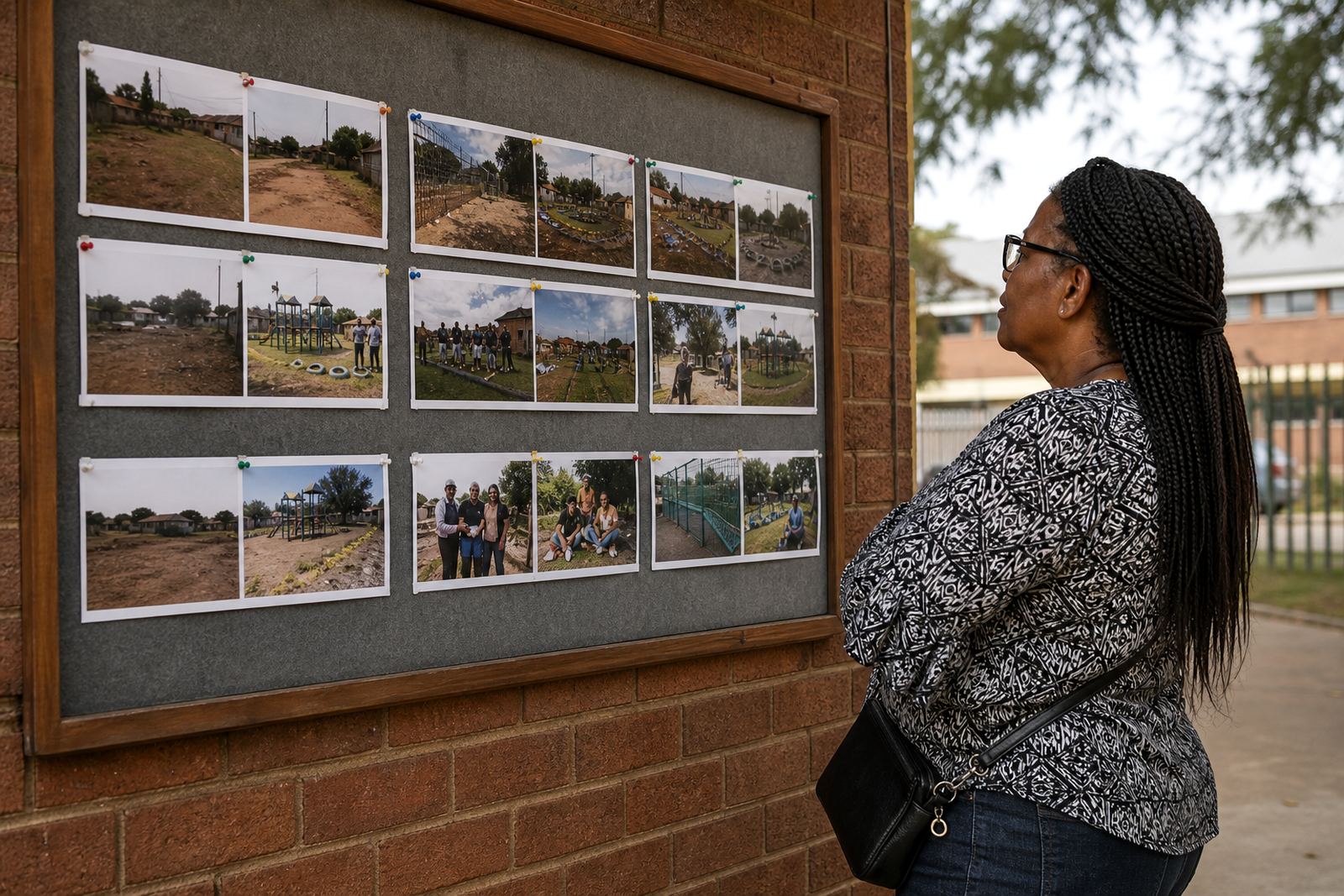
Useful evidence does not have to be elaborate. A short note from a school principal, a community leader, a clinic supervisor, or a resident committee can help confirm the story. Photos may also help, but only if they add something real. A picture without a date or context is not much use on its own.
For nominations from Johannesburg, Cape Town, Durban, Gqeberha or Polokwane, local detail matters because it grounds the story in an actual setting. If a volunteer helped during a flood cleanup, mention the street, the ward, or the community hall. If a carer supported a disabled neighbour, explain the routine and the kind of tasks involved. The stronger the evidence, the less guesswork the panel must do.
- Add one or two supporting statements if available.
- Label photos clearly with place and date.
- Include records only where they are relevant and lawful.
- Keep the evidence tied to the exact story being told.
A Braamfontein example that shows the difference
Picture a nomination from Braamfontein for a resident who organises meal deliveries for older people in nearby flats. A weak version says the person helps a lot and the community appreciates them. A stronger version explains that the resident started arranging deliveries after several neighbours struggled to leave their homes, lists the streets covered, notes that the work happens every Friday, and explains that people now receive meals and medication support in a safer way.
That stronger version does not need drama. It needs shape. It tells the panel who was helped, what was done, when it happened, and why the action mattered. The same method works across Gauteng Nominations, Western Cape Nominations, KwaZulu-Natal Nominations, Eastern Cape Nominations, Limpopo Nominations, Free State Nominations, North West Nominations and Mpumalanga Nominations. Clear local detail makes the nomination easier to judge and harder to misunderstand.
Before you send it off, read for the gaps
Most weak nominations can be improved by checking for four things: dates, examples, impact, and consent. If one of those is missing, the story may still feel warm but it will be harder to assess fairly. A few extra lines can make the difference between a vague compliment and a nomination that carries real weight.
The public questions around the programme usually come from the same place: people want to know what makes a nomination solid. The answer is plain enough. Tell the story clearly, keep the privacy tight, and give enough detail for the judging process to understand the contribution without guesswork. If you need to change a nomination after sending it, use our contact form on the contact page and keep the original facts unchanged.