Only the parts that help the story belong
A strong nomination does not list every private fact about a person’s home life. It explains the action, the need, and the community result in plain terms. If a family detail does not help explain the nominee’s public help, leave it out.
For example, a neighbour in Braamfontein may have cared for an elderly parent while also running school collections in the area. That detail can matter if it shows why they noticed gaps in care or kept stepping in during difficult months. It should not be turned into a long family history or used to add pressure to the person being nominated.
- Keep the focus on public service and community impact.
- Use family details only where they explain the nomination clearly.
- Avoid labels, gossip, or guesswork about private matters.
Ask before naming anyone at home
Consent matters when a nomination includes a spouse, child, parent, sibling, or other family member. If the nominee is an adult, they should know what will be shared and why. If someone else is named, their privacy should be considered too, especially if they are a minor or are not central to the story.
In practice, this means writing carefully and checking whether the detail is needed at all. A nomination can still be strong if it says a teacher kept helping learners after school while managing care at home, without naming the children or giving medical detail. That keeps the account honest and avoids unnecessary exposure.
- Use names only when they are necessary and appropriate.
- Do not include a child’s full details unless there is a clear reason.
- If a family member would be uncomfortable reading it in public, cut it down.
How to write around illness, grief, and caregiving
Some of the most moving nominations involve illness, bereavement, or full-time caregiving. These situations can explain why a person stepped up for others, but they need careful wording. Avoid dramatic language. Keep the facts short, relevant and respectful.
A nomination about a carer in Durban might note that they took on extra community work while supporting a relative through long-term treatment. That is enough if it shows the nominee’s capacity for service and resilience. The point is not to expose medical records or family pain. It is to show why the nominee’s help stood out in a real community setting.
- State the situation in broad terms, not medical detail.
- Leave out diagnoses, treatment notes, or private documents unless specifically requested.
- Describe what the nominee did, not every hardship around them.
What counts as relevant evidence
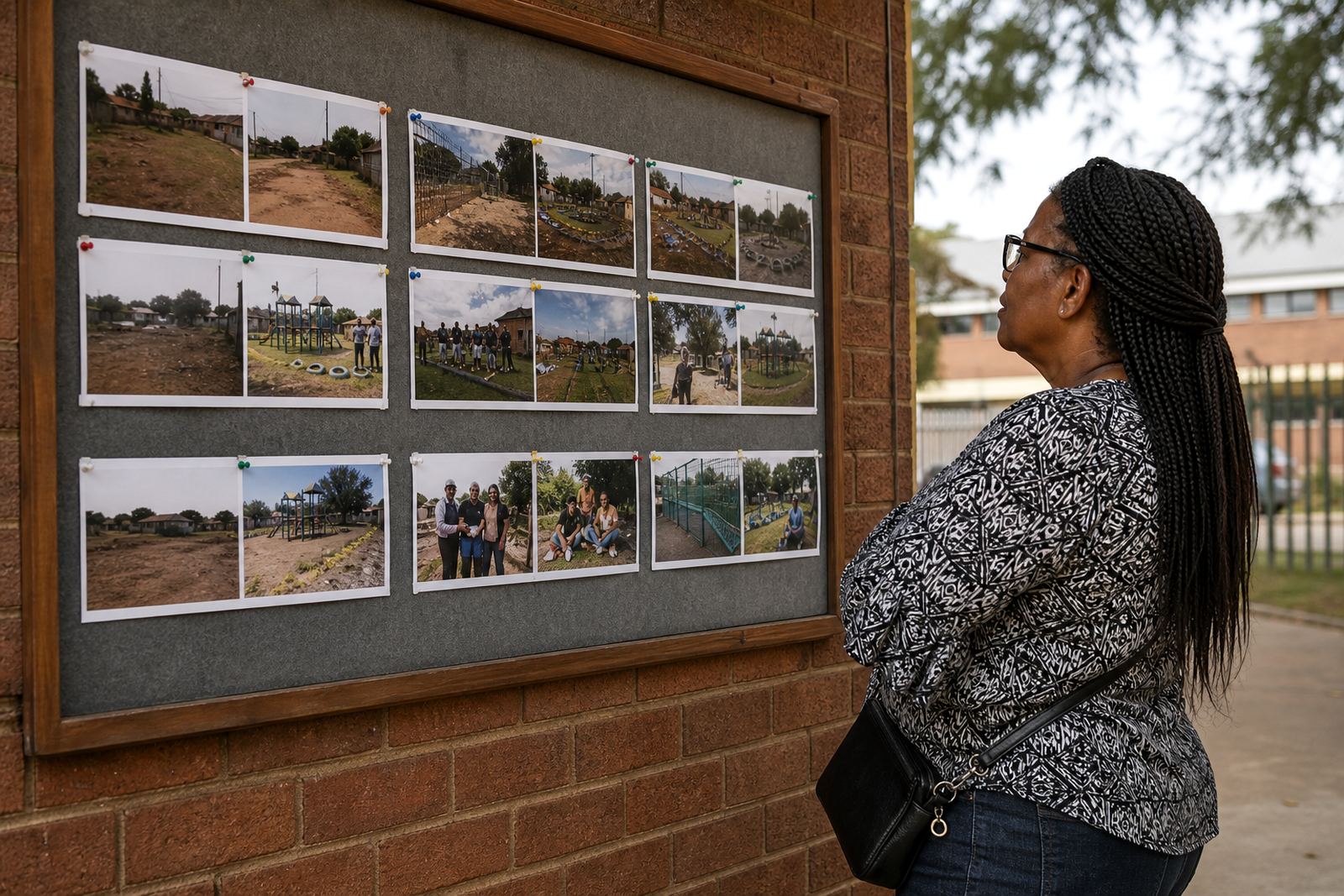
Evidence for a nomination should support the act of service, not pry into family life. Photos, letters, community notes, school communication, or witness detail can help if they show the nominee’s role. If a family story is included, it should be tied to the service, not used as emotional filler.
Useful evidence often answers simple questions. Who saw the work? What happened? Where did it help? What changed for the people involved? If the answer needs private family detail, keep the wording minimal and leave out anything that would not add value to the judging process.
- Use evidence that shows action, contribution, and community benefit.
- Choose documents that do not expose more than needed.
- Protect children, older relatives, and vulnerable family members from unnecessary detail.
A Johannesburg example with the edges trimmed
Imagine a nomination from Soweto, near Johannesburg, for a woman who helps learners get to school and keeps a small feeding effort moving in her street. Her own family has faced pressure, and that may explain why she notices when children miss meals or arrive without socks in winter. The nomination can mention that background without turning it into a family biography.
A careful version would say she has personal experience of holding a household together while still helping neighbours. It would not name every relative or explain private matters that have no bearing on her community work. That balance helps the nomination feel real, and it keeps the family protected.
- Use local detail only when it adds clarity.
- Describe the service in the neighbourhood, not the full home story.
- Keep the nomination readable for someone outside the family circle.
A small checklist before you submit
Before you submit a nomination, read it as if you were the person named in it. Then read it again as if you were their child, parent, or partner. If any line feels too exposed, trim it back. If a detail does not help explain the service, remove it.
Our contact form can be used for questions about the nomination process, privacy concerns, or updating information already submitted. The aim is to keep the story respectful, accurate, and useful for review. Family privacy is not about hiding the truth. It is about saying only what the nomination really needs.
- Check whether every family detail serves a clear purpose.
- Remove names and descriptions that are not essential.
- Make sure the nomination would still read well without private extras.