The brief came from a household need, not a headline
The nomination arrived as a story about ordinary work with clear value in the home. The client type was a community-led sewing project in Cape Town, with a focus on the Cape Flats, where people often need practical ways to stretch clothing, reuse fabric, and keep school items in service for longer. The brief asked for a nomination that felt grounded and specific, not a polished fundraiser piece or a glossy community slogan.
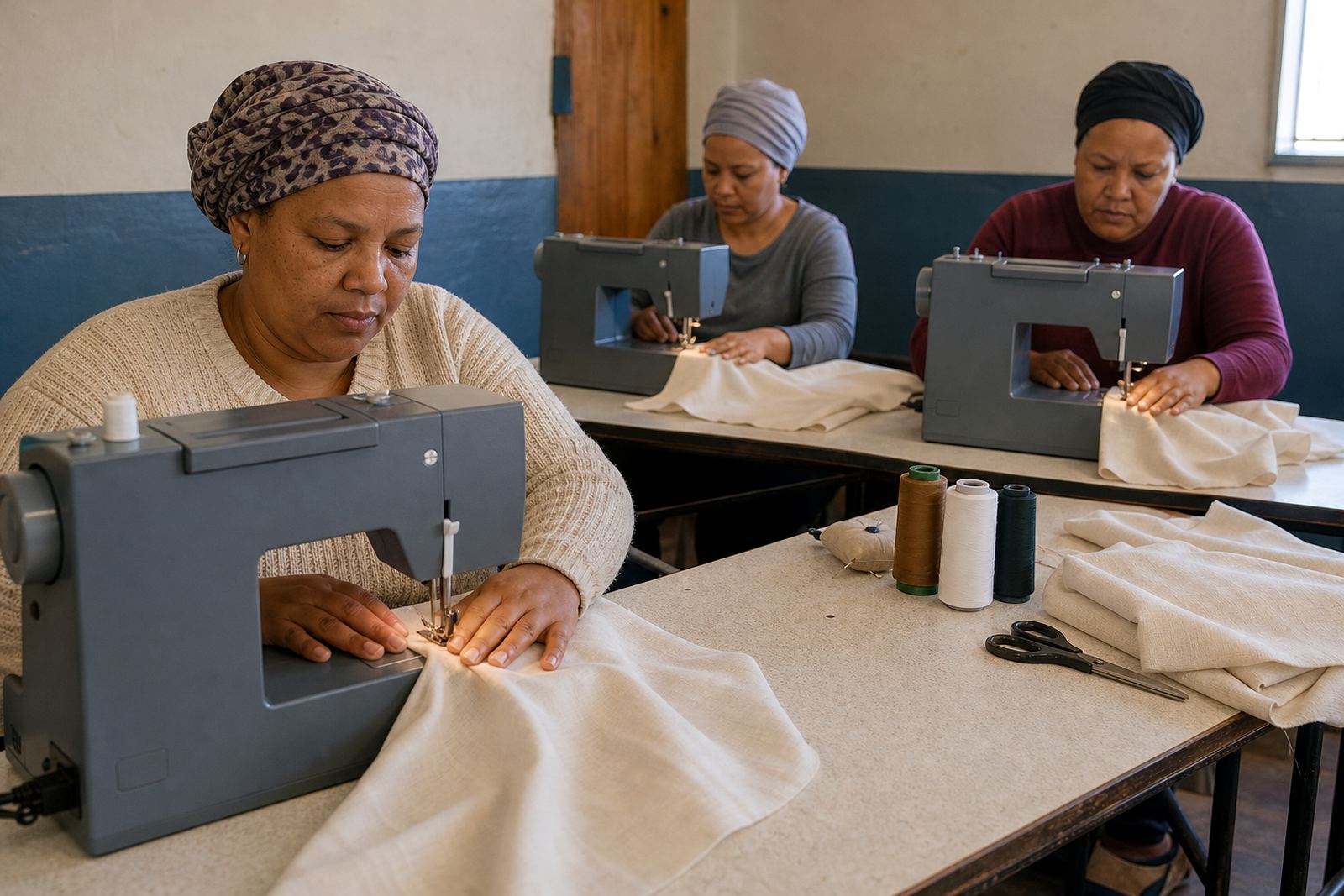
We shaped the entry around the daily use of sewing skills. That meant showing how a careful hem, a clean seam, or a patched school shirt can ease pressure on a household budget. The strongest angle was not fashion, it was usefulness. The write-up also had to fit a nomination-based awards programme, so the story needed clear community value, plain language, and enough detail for a reviewer to understand the work without leaning on big claims.
- Project type: practical sewing-skills community initiative
- Town: Cape Town, with Cape Flats reach
- Focus: household support through repair and reuse
- Format: public nomination for a South African awards programme
What made the nomination worth reading
A strong nomination needed more than goodwill. It had to show who benefits, what the project teaches, and why the work matters in real homes. We keep the wording clear and direct so you can follow the story without guessing. The nomination needed to explain the skill transfer, the community setting, and the everyday pressure that sewing can ease when money is tight and items must last.
We also paid attention to what judges usually need in a programme like this. They want a nomination that links action to impact, but not in a grand way. The best material shows that the effort is practical, repeatable, and rooted in local need. We avoided overstatement and wrote to the facts available, with enough warmth to honour the people doing the work.
- Useful skill transfer, not vague inspiration
- Clear link between sewing and household support
- Plain evidence of community benefit
- A respectful tone that fits a public nomination
How we shaped the story for review
The submission was built in a careful order. First came the core story: a Cape Flats project teaching sewing that helps households mend clothing, handle small repairs, and make better use of materials already in the home. Then we organised the details around that point so the nomination read smoothly and did not wander into unrelated praise. The tone stayed practical, with enough human detail to make the work feel lived-in.
We also handled the naming of the people involved with care. Where the nomination referred to organisers, learners, or community members, it stayed general unless the brief called for a named role. That approach protected privacy and kept the focus on the project itself. For an awards programme that receives public entries from across South Africa, that balance matters. The form needs enough detail to judge fairly, but not unnecessary personal information.
Our work covered the writing, the structure, and the checking of supporting notes before submission. The result was a nomination that read as one clear story rather than a stack of comments. It gave the programme a better chance to understand the project on its own terms.
Consent and privacy were handled with care
Because the nomination spoke about real people doing community work, consent could not be treated as a side note. We made sure the story only used what the nominee was comfortable sharing and kept sensitive details out of the public-facing text. That included avoiding unnecessary names, home details, and personal histories that did not help the judging process.
Privacy was especially important because community projects often work with neighbours, learners, carers, and household situations. The nomination needed to honour that work without exposing anyone to attention they had not asked for. We kept the language factual and limited the personal material to what supported the story. The programme’s public side stayed readable, while the private side stayed protected.
- Only agreed information went into the nomination
- Personal details were kept to a minimum
- Sensitive household context was not exposed
- The public version still carried enough substance to assess properly
A five-week path from rough notes to finished entry
The project moved over five weeks, which gave enough room to gather the story, shape the language, and tighten the final entry. Week one was about understanding the brief and the community angle. Week two focused on the practical details of the sewing work and the kind of support it gives to households. Week three was used to refine the nomination wording and remove anything vague or padded.
By week four, we were checking the balance between story, evidence, and privacy. The final week was spent on polish and submission readiness. That slower pace suited the work, because a nomination like this should sound measured, not rushed. It needed to feel like a true account of a community effort that carries value in small, daily ways.
- Week 1: brief unpacking and story angle
- Week 2: practical household impact detail
- Week 3: drafting and trimming
- Week 4: privacy and evidence review
- Week 5: final refinement and submission
What the finished nomination carried forward
The final result was a cleaner story about practical sewing skills and the people who share them. It gave the awards programme a nomination that was easy to follow, clear on purpose, and rooted in everyday benefit. The project came across as useful rather than flashy, which suited the subject well. Sewing was presented as a skill with real value in a household, especially when repair can matter more than replacement.
If we were shaping a similar nomination again, we would keep the same discipline. Start with the household use, keep the writing plain, and let the community value show through the detail. That approach worked because the project itself was modest in the best sense, direct, local, and useful. It did not need decoration to make its point.
We would also keep the privacy checks in place from the start. In community-based nominations, that habit saves time later and protects the people whose work is being recognised. A good entry should feel honest, steady, and ready for review without overexplaining itself.
Key facts
| Project | Cape Flats Sewing |
|---|---|
| Client type | Community sewing project |
| Town | Cape Town |
| Region | Cape Flats |
| Timeline | 5 weeks |
| Programme focus | Nomination-based community recognition |