A nomination built around daily care in Soweto
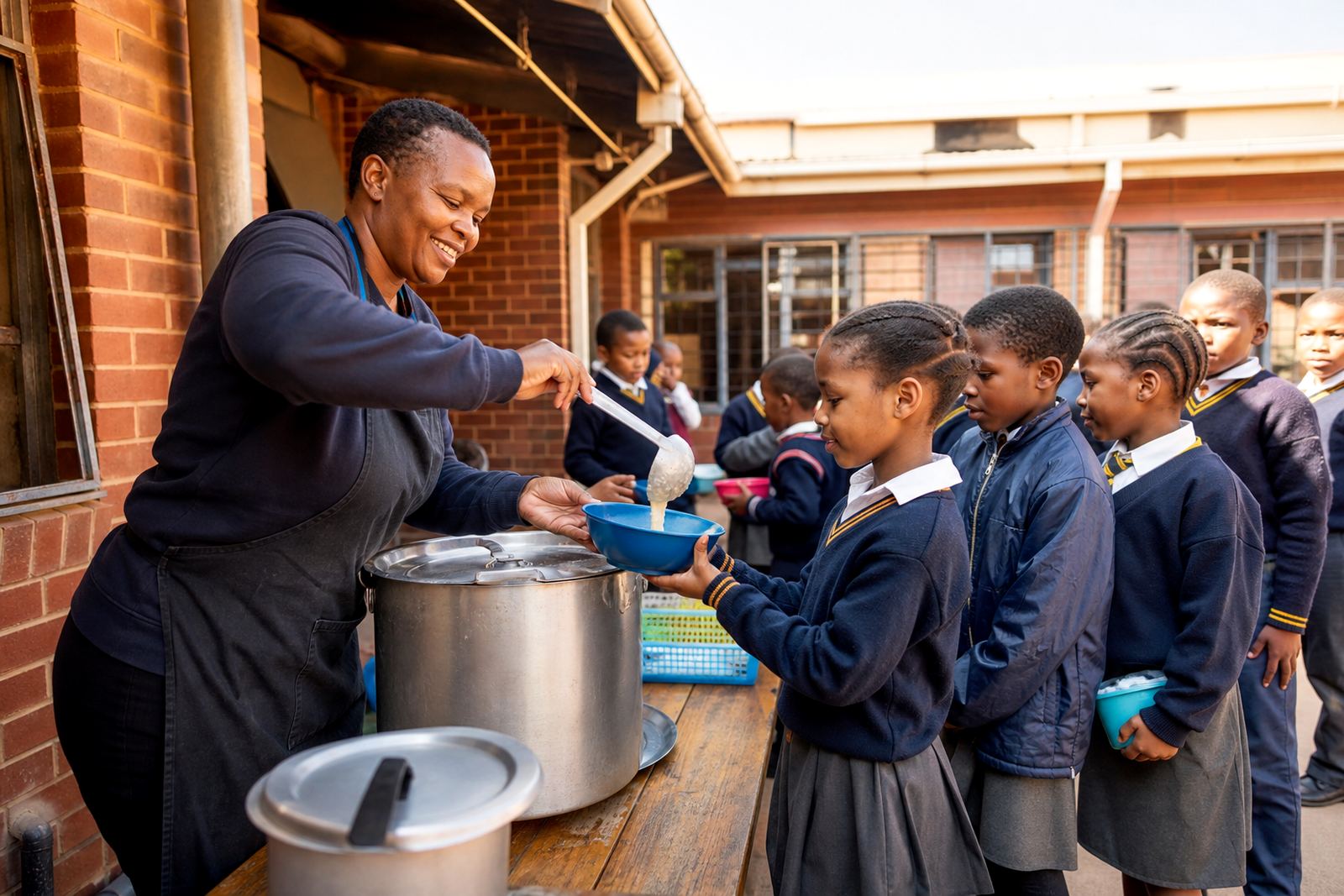
The brief came from a community story in Soweto, Johannesburg, where the person at the centre was known for practical help rather than public attention. The work touched learners, parents and school staff in small but regular ways, so the nomination had to read clearly without sounding exaggerated. We kept the language grounded in what neighbours could describe and what could be checked from lived experience.
The client needed a nomination page that would make sense to people across South Africa, not only to those in one township. That meant plain wording, a calm structure and enough space for a nominee’s support to be explained properly. We also had to keep the story respectful, because the strongest community helpers often never ask for a profile in the first place.
What the brief asked us to handle
The main task was to shape a nomination that showed why this resident mattered to the community around a school. The brief called for a simple path through the form, with clear prompts for who the nominee is, what they do, where the help happens and who has seen the impact. We also needed to keep the process fair for the nominee, which meant clear consent and careful handling of personal information.
- Describe the nominee in everyday language, not in grand claims.
- Show the link between the person’s actions and learner support.
- Keep any school or family details limited to what is needed.
- Make room for useful evidence such as testimonies, photos or notes.
- Explain consent before a nomination is submitted.
Privacy mattered because these stories often involve children and family routines. We wrote the flow so that people could understand what would be shared publicly and what would stay private. That kept the nomination honest and gave the submitter a steadier footing before they entered personal details.
How we shaped the nomination flow
We supplied the nomination copy, the support text around consent, and the review notes for judging. The judging side was described in plain terms: the story had to show steady community value, clear relevance to the category, and enough detail for the panel to compare one nomination with another fairly. We avoided jargon, because a good nomination should read like a real account, not a form written by a policy office.
The structure guided the user through each part without crowding the page. First came the person’s details, then the story, then the evidence and consent. We added a section for updating a nomination where a submitter could correct a name, add context or clarify a school reference if needed. That helped reduce confusion later in the process.
- How To Nominate was kept short and direct.
- Eligibility Check explained who could be nominated.
- Writing The Story asked for specific examples, not broad praise.
- Useful Evidence covered school letters, messages and witness notes.
- Judging Criteria stayed plain and practical.
Working through the project in three weeks
The work moved in three weeks. In the first week, we mapped the nomination journey and listed the information that would be needed from the public. In the second week, we wrote the story prompts, privacy wording and public questions section. In the third week, we tightened the judging notes, checked the consent language and made sure the copy fitted a programme with nominations open across South Africa, including Johannesburg, Cape Town, Durban, Gqeberha and Polokwane.
Because the programme is based in Braamfontein, Johannesburg, we kept the language local enough to feel real but broad enough to serve other provinces too. The result was a nomination page that did not overstate anything. It helped people explain ordinary, important acts of care in a way that could be reviewed properly later on.
What the final nomination page made easier
The finished page gave the programme a cleaner way to receive community stories. It made the consent step more visible, which matters when a nominee may not know they have been submitted. It also helped submitters understand the kind of detail that makes a strong nomination: names, place, action, frequency and the effect on learners or families. That kind of detail is stronger than praise on its own.
For the team in Braamfontein, the page also made reviewing easier. Submissions came through with clearer context, fewer missing pieces and a better paper trail around privacy. The structure worked well for public nominations across Gauteng, the Western Cape, KwaZulu-Natal, the Eastern Cape, Limpopo, the Free State, North West and Mpumalanga.
- Public questions were answered by the page itself where possible.
- Updating a nomination was made straightforward for corrections.
- Sensitive information was separated from the main story where needed.
- The review process could focus on merit, not incomplete paperwork.
What we would keep in place for a similar award project
For a similar community award page, we would keep the same straight path from story to submission. Clear consent language stays essential, especially where families, children or school settings are involved. We would also keep the evidence prompts specific, because broad claims rarely help a judging panel. A short message is easier to trust when it includes facts people can recognise.
We would also keep the privacy notes visible rather than tucked away. When people are nominating someone who helps quietly, they often need reassurance that the process respects the nominee as much as the story itself. That approach fit the Soweto School Helper project well, and it suits the wider SA Hero Awards programme too.
Key facts
| Project | Soweto School Helper |
|---|---|
| Client type | Community awards programme |
| Town | Soweto, Johannesburg |
| Base | Braamfontein, Johannesburg |
| Timeline | 3 weeks |
| Scope | Nomination flow, consent wording, privacy notes, judging criteria, public questions, update path |