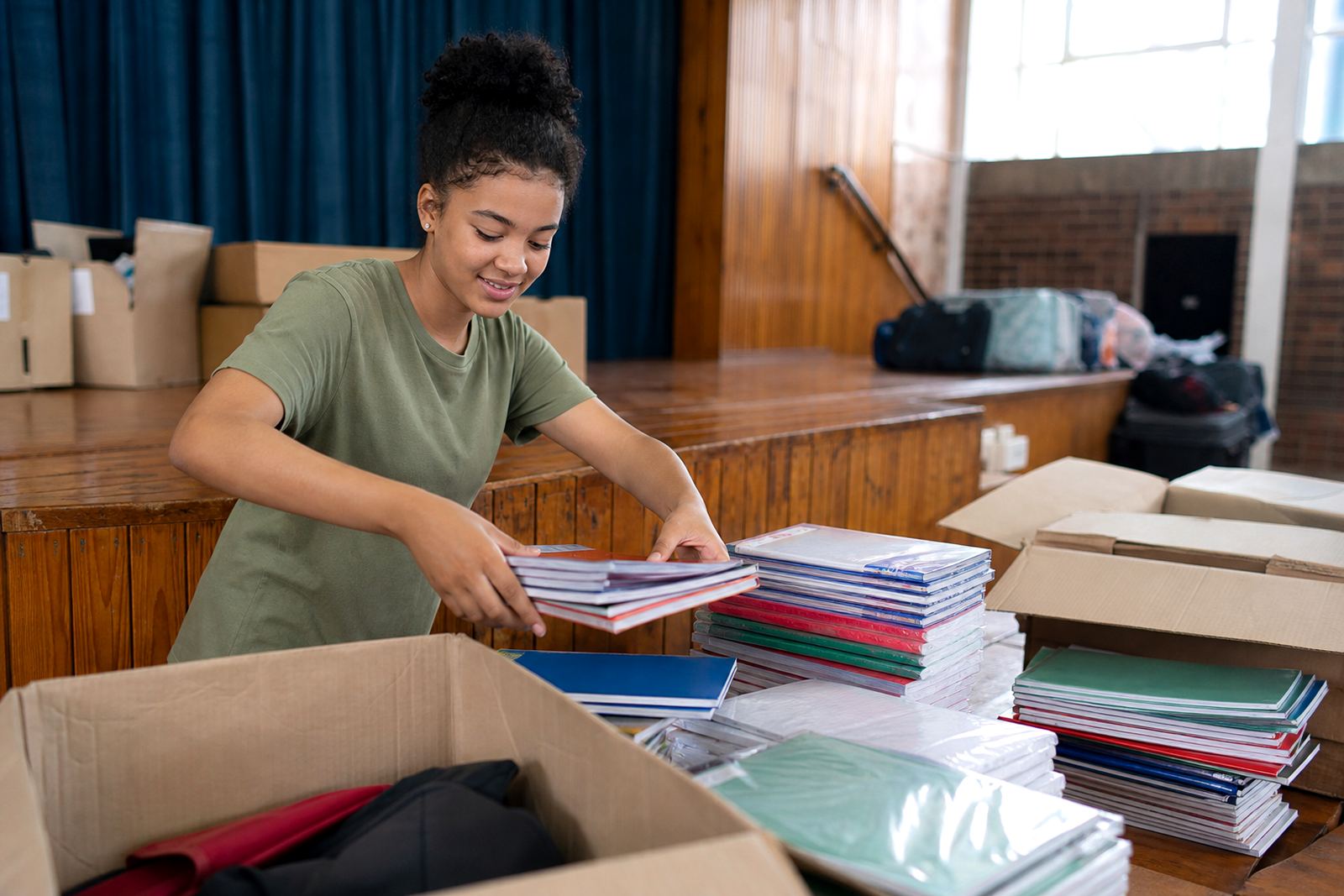
When a young person belongs in the frame
A young nominee may be a learner, youth volunteer, peer mentor, sports helper or neighbour who steps in where help is needed. The strongest nominations are grounded in a real story: the person noticed a problem, acted with care and made a practical difference for others around them.
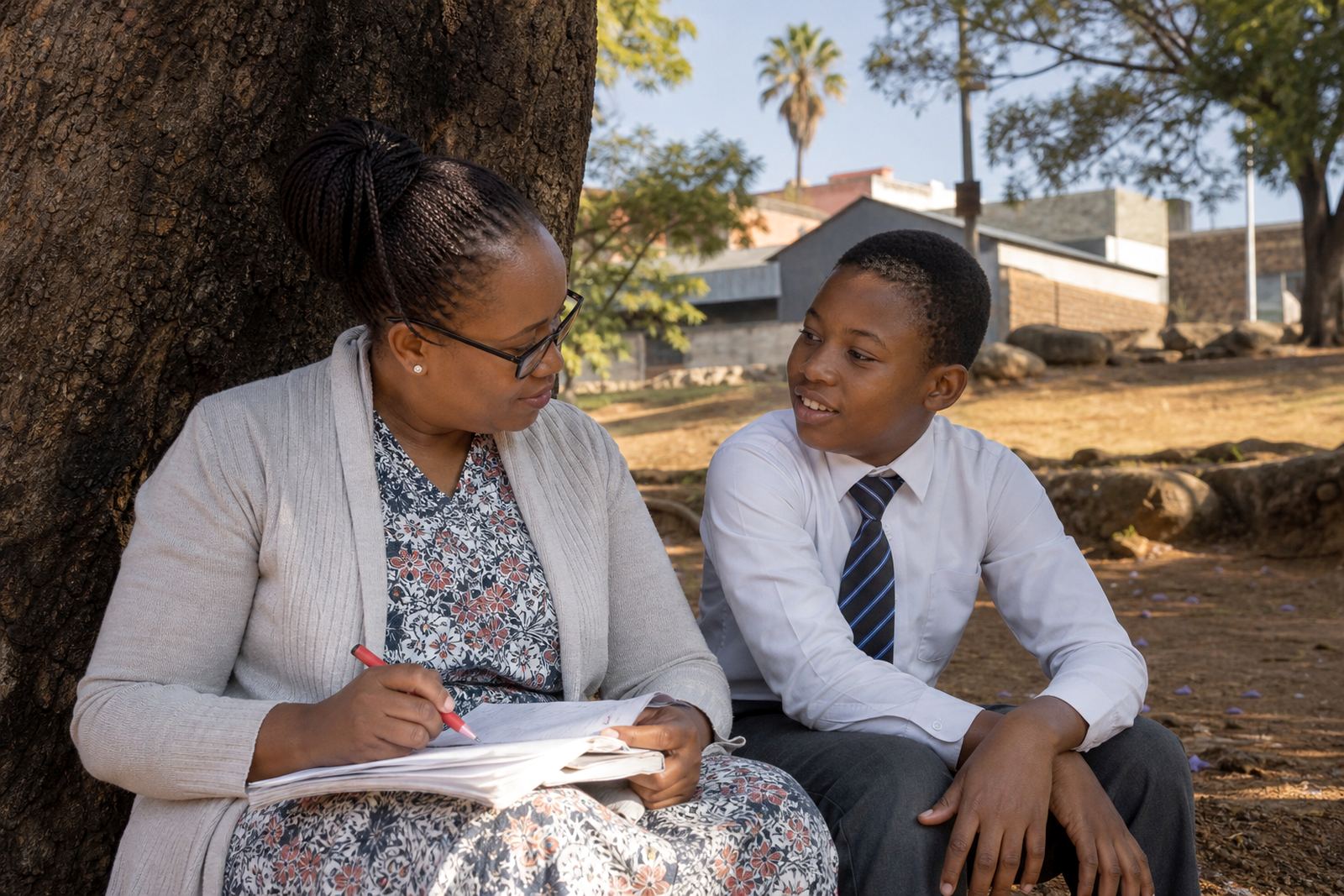
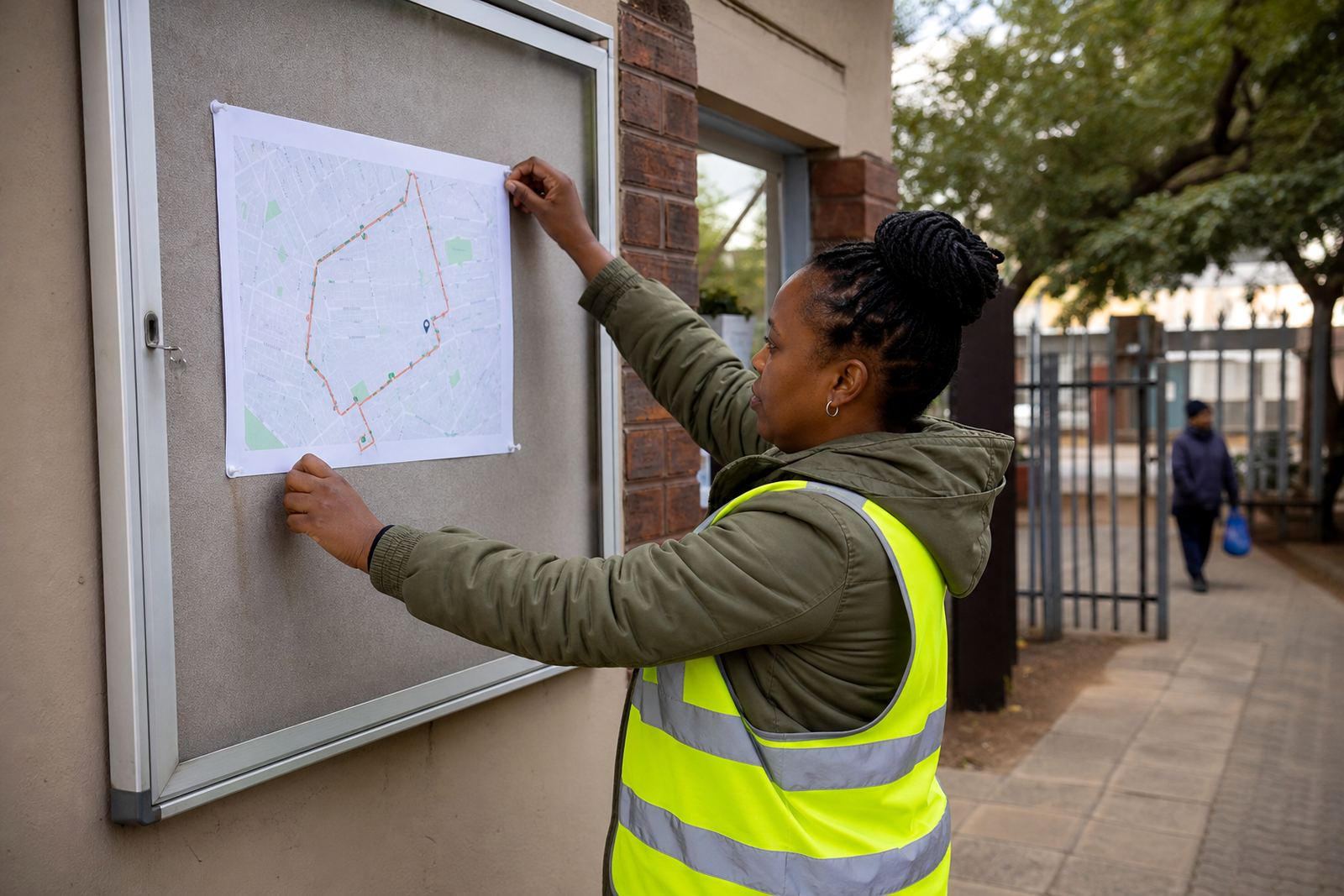
For this use case, the programme looks for steady contribution rather than a loud display. A young person who helps at a feeding point, supports a younger child with schoolwork, assists an elderly neighbour or organises a clean-up can all be considered, if the account is clear and the impact is explained in plain terms.
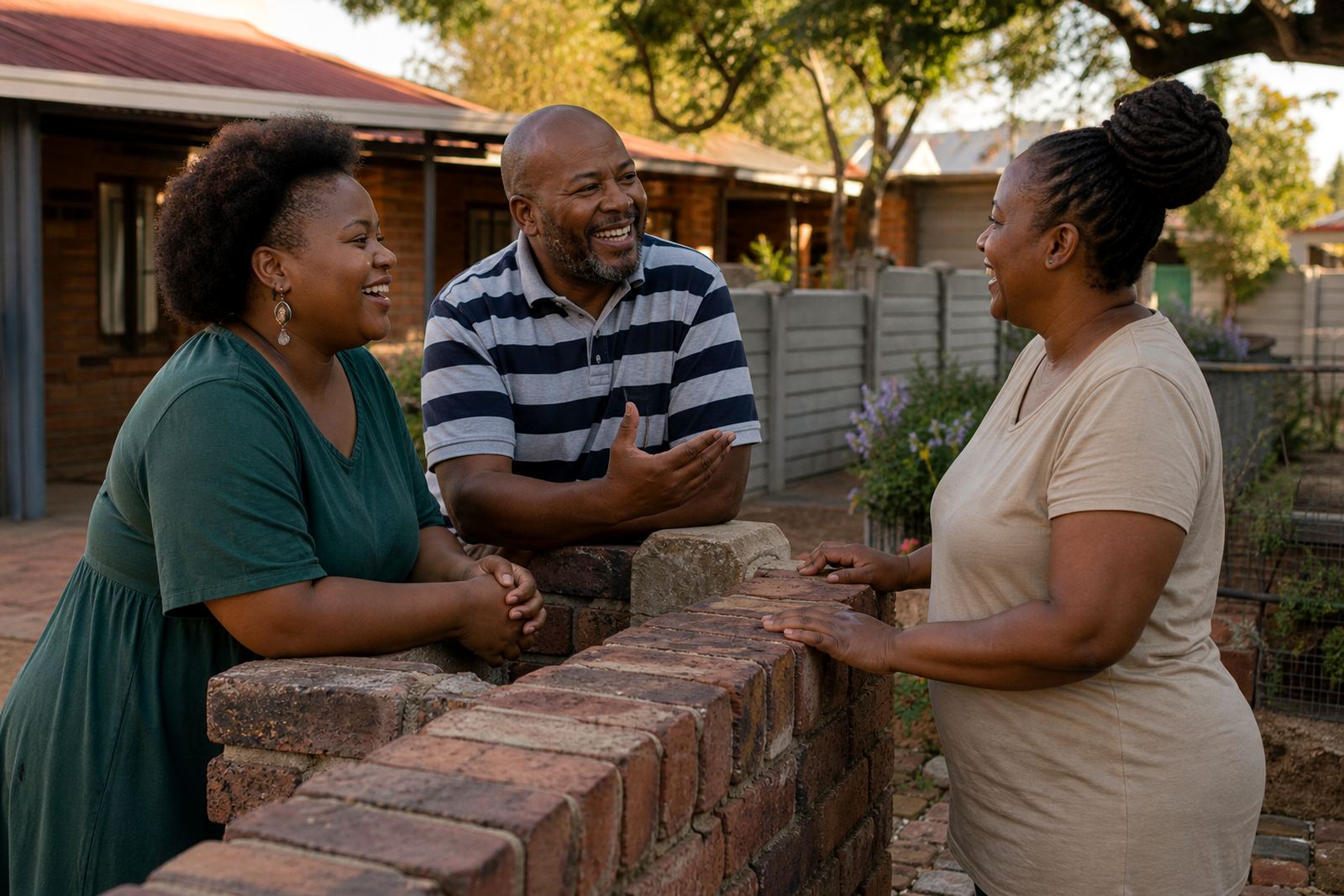
In Braamfontein and across South Africa, many nominations arrive through family members, teachers, coaches, community groups and neighbours. What matters is not status or age alone, but the story of service, the surrounding context and whether the nomination can be verified with sensible detail.
Building a nomination that holds up under review
A useful nomination gives the judging team enough detail to understand what happened, where it happened and why the contribution matters. Keep the language plain. A few honest examples are better than a long list of praise words that do not explain the work.
- State the nominee’s name, age and town or suburb.
- Describe the help they gave, and who benefited from it.
- Set out dates or a rough period, where possible.
- Explain what changed after the person stepped in.
- Add contactable witnesses where the story needs support.
Helpful evidence can include photographs, letters from a school, short witness notes, message screenshots or records of a community activity. Not every nomination needs a large file set. What matters is relevance. A clean, direct account is easier to assess than a thick bundle with little connection to the claim.
For young people, age can make context important. A Grade 10 learner who coordinates a food drive is not being judged against an adult charity director. The review looks at initiative, care, effort and visible impact in that person’s own setting.
Consent, privacy and the young nominee’s space
Consent is central when the person being nominated is under 18 or still at school. The nominee should know they are being put forward, and where the programme needs parental or guardian agreement, that needs to be handled with care. A nomination should never be built on surprise or pressure.
Privacy also matters because youth stories often involve schools, family homes, care settings or sensitive background details. Only share what is needed for the assessment. Avoid adding private medical details, unnecessary family matters or information that does not help explain the contribution.
- Ask for permission before submitting names, pictures or personal notes.
- Limit sensitive details to what the review genuinely needs.
- Use respectful language if the nominee has faced hardship.
- Keep supporting files stored safely and shared only for the nomination.
The privacy review should be simple: what is included, who can see it and whether the nominee or guardian understands the use of the material. Lerato Michelle Maseko, the Privacy and Consent Officer, oversees this part of the process so that youth entries are treated with care, not curiosity.
How the judging process reads a young person’s story
Judging for this use case is not about glossy wording. It is about whether the nomination shows a genuine contribution with enough detail to assess fairly. A strong young-person nomination usually shows initiative, care, consistency and a positive effect on others.
The judging review may look at the setting, the level of effort, the risk or difficulty involved, and whether the action went beyond what is normally expected for that age or role. A learner helping in a reading club, a teenager coordinating donations or a young neighbour checking in on elders can each be meaningful if the account is balanced and clear.
The programme also watches for repetition, gaps and vague claims. If a submission says a nominee “helps everybody” but gives no dates, no examples and no witnesses, it is hard to review properly. Good nominations answer the basic questions without sounding forced.
In the review process, Pieter Jacobus van Wyk coordinates the judging flow so entries are read against the same plain standards. That keeps the focus on the action itself and the evidence attached to it.
Practical planning for families, schools and community groups
Many young-people nominations are easier to prepare when someone sorts the file set before writing the story. A small folder with notes, copies of documents and contact details for witnesses helps prevent missing pieces later on. The practical setup is modest: a phone or scanner for copies, a notebook for dates, a folder for files and a stable internet connection for submission.
For schools and youth groups, it helps to have one person coordinate the material. That avoids repeated versions of the same story and cuts out confusion about consent. It also makes it easier to check that names are spelt correctly and that the nominee understands the process.
- Keep one person responsible for gathering the final details.
- Write the story before attaching pictures or extra papers.
- Check that the nominee’s school or community role is described accurately.
- Trim out side issues that do not support the case.
Common mistakes include submitting a nomination that is too general, using dramatic language without proof, forgetting consent, or attaching files that do not connect to the story. Another frequent issue is overloading the form with details that do not help the review. A focused submission is usually easier to handle than a crowded one.
Budget ranges that make sense in rand
Most young-people nominations do not need a large spend, but some costs can still come up. Families or schools may need to print supporting letters, collect certified copies, travel to meet a witness or use data to gather and upload materials. Those smaller costs are usually the ones to plan for.
A light nomination pack might stay around R0 to R250 if the evidence is already on hand. A more involved submission, with printing, travel and document gathering, can sit around R250 to R900. If a school or group is preparing several entries at once, it is sensible to allow a little extra for copies and admin time. The point is not to spend heavily, only to prepare the nomination properly.
Where the young nominee’s story involves sensitive circumstances, more care may be needed in how the documents are handled. That may mean extra time for consent checks or privacy review, not extra drama. Thandeka Nomvula Mokoena and the team in Braamfontein keep the process organised across nominations from Gauteng, the Western Cape, KwaZulu-Natal, the Eastern Cape, Limpopo, Free State, North West and Mpumalanga.
For public enquiries, use the contact form on our website. It is the right route for questions about nomination steps, eligibility checks, story writing, evidence, consent, privacy or updating an entry after submission.