When swift action deserves a nomination
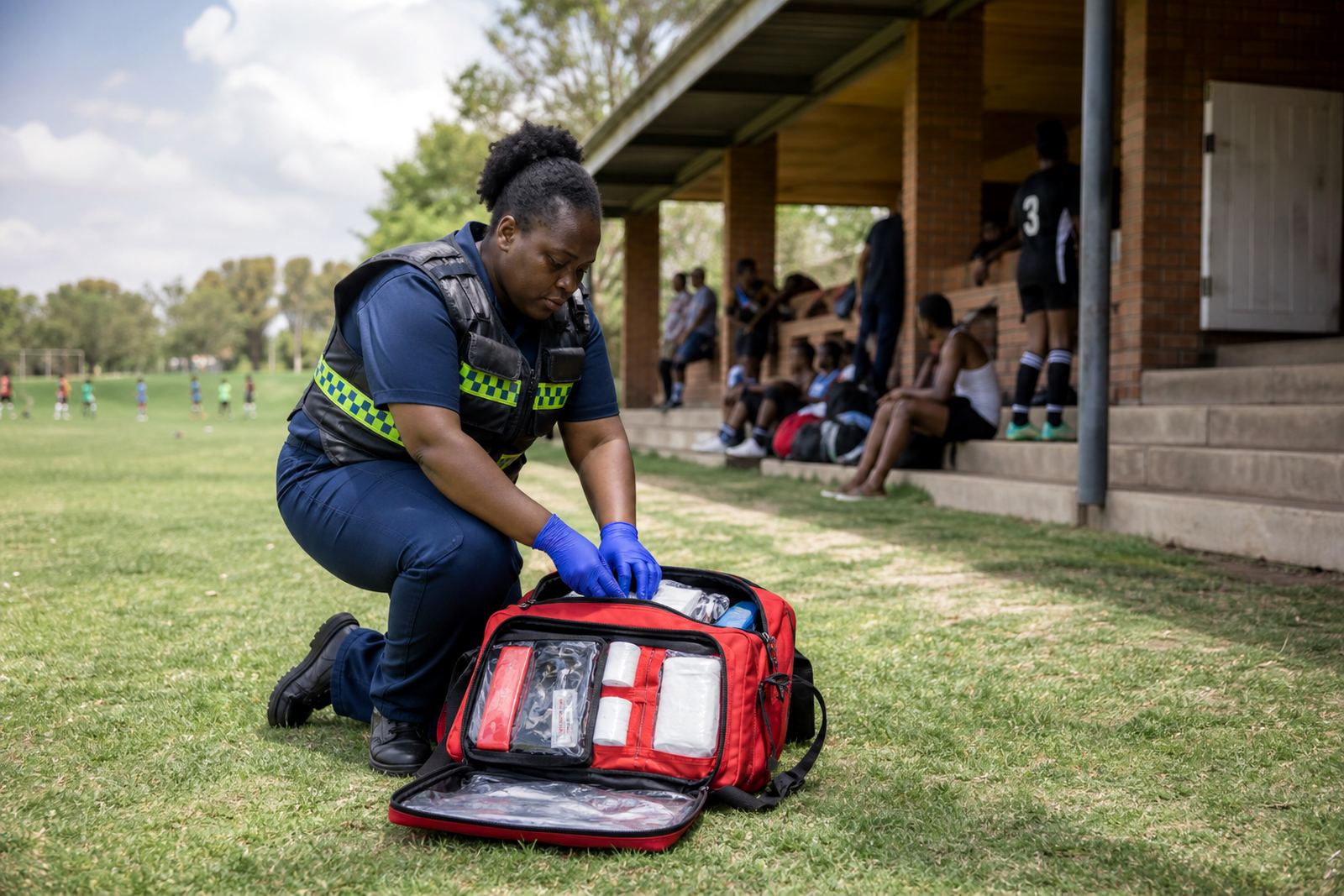
First responder nominations suit moments where calm action changed the outcome for others. That may be a paramedic who kept a patient stable, a firefighter who worked through a dangerous call, a rescue volunteer who pulled people clear, or a security officer who alerted neighbours before harm spread. The strongest nominations describe a real incident, the people helped, and the part the nominee played without turning it into a long speech.
In this category, the story matters more than a polished script. We look for practical detail: what happened, who was affected, what the nominee did, and why the action mattered in the local setting. A strong nomination can stand on its own even if the person putting it forward is not a close friend or family member.
- State the event or situation clearly
- Explain the nominee’s actions in plain language
- Note the risk, pressure or urgency involved
- Add one or two named supporting contacts if allowed
What a useful first responders nomination includes
A useful nomination gives enough detail for the review team to understand the work without guessing. It should name the nominee, the community or area where the incident happened, and the reason the action stands out. If the nominee serves in an informal role, such as a neighbourhood emergency helper or volunteer medic, say so directly. The form should not be padded with broad praise when a specific account would do the job better.
Useful evidence can include a written account from someone who saw the incident, a brief report, a photo where it is appropriate, or a link to a public notice. We do not need every file in the world, but the submission should show that the story is grounded in real events. If the nomination covers a sensitive rescue, keep the facts tight and avoid speculation.
- Full name of the nominee
- Town, suburb or district tied to the incident
- Short description of what happened
- Supporting evidence that matches the story
- Any safety concerns that need careful handling
Consent, privacy and sensitive details
Because this category often involves private incidents, consent matters. Where possible, the nominee should know they have been put forward and should agree to the submission. If the person cannot be contacted straight away, explain why and note any risk in reaching them. That helps the review team judge the nomination with care and protects people whose details should not be shared widely.
Privacy is handled with the same plain rules across the programme. We keep sensitive information limited to what is needed for judging, and we avoid exposing medical detail, addresses, incident reports or family matters unless they are essential and permitted. If the nomination includes minors, patients, or vulnerable people, the wording must be even more careful. The goal is recognition, not exposure.
- Get nominee consent where possible
- Share only details needed for judging
- Keep private incident facts limited
- Avoid publishing identifying information unnecessarily
How nominations are reviewed in plain terms
Judging looks at whether the nomination is credible, specific and relevant to the category. The team checks the clarity of the story, the strength of the supporting detail, and whether the action fits the kind of service this programme is meant to recognise. A nomination for a first responder should show practical help, quick thinking or preparedness that protected others, rather than general good manners or broad community spirit.
The review process is not about dramatic language. It is about whether the facts hold together. If two submissions describe the same incident, the clearer one usually carries more weight because it gives the team a better picture. If a nomination is thin, missing consent, or leans on guesswork, it can be harder to assess fairly. That is why the details matter from the start.
- Check that the story matches the category
- Look for clear facts, not slogans
- Support the account with usable evidence
- Keep names and dates consistent throughout
Planning the submission from Braamfontein to the provinces
We handle nominations from Braamfontein, Johannesburg and across the country, including Gauteng, the Western Cape, KwaZulu-Natal, the Eastern Cape, Limpopo, the Free State, North West and Mpumalanga. A nominee from Cape Town, Durban, Gqeberha or Polokwane should be described in the same straightforward way as one from a smaller town. The location helps, but the value of the nomination sits in the action itself.
For first responders, layout matters because the submission may need a short timeline. Start with the event, then the nominee’s response, then the outcome. Keep supporting files named sensibly so the review team can follow them. If you are helping a school, clinic, neighbourhood watch or volunteer unit prepare a nomination, one person should gather the story and another should check the consent note before the form is sent.
Budget for this kind of nomination is usually low to moderate in Rand. Many entries need only time, a short written account and basic supporting material. If you are preparing printed letters, scanned documents, or several corroborating statements, allow for modest admin costs. In some cases a neat submission can be done for under R500, while more involved community gathering may sit closer to R1,500 depending on travel, copying and collection of evidence.
- Start with the incident and the action taken
- Keep the sequence easy to follow
- Assign one person to collect evidence
- Allow for modest admin and copy costs
Common mistakes that weaken a first responders entry
The most common mistake is writing a tribute instead of a nomination. Praise is useful, but the programme needs facts that can be assessed. Another problem is leaving out consent, which creates privacy issues even when the story is strong. Some entries also try to cover too many incidents at once, making it hard to see which event is being recognised.
It also helps to avoid exaggeration. A nomination does not need heavy language to be convincing. If the person acted in a difficult situation, say exactly what happened and what changed because of their action. Clear writing often does better than a long, dramatic account that blurs the details. For this category, accuracy carries more weight than noise.
- Do not replace facts with praise
- Do not submit without consent where possible
- Do not mix several incidents into one story
- Do not hide the nominee’s real role