When a teacher’s impact reaches past the bell
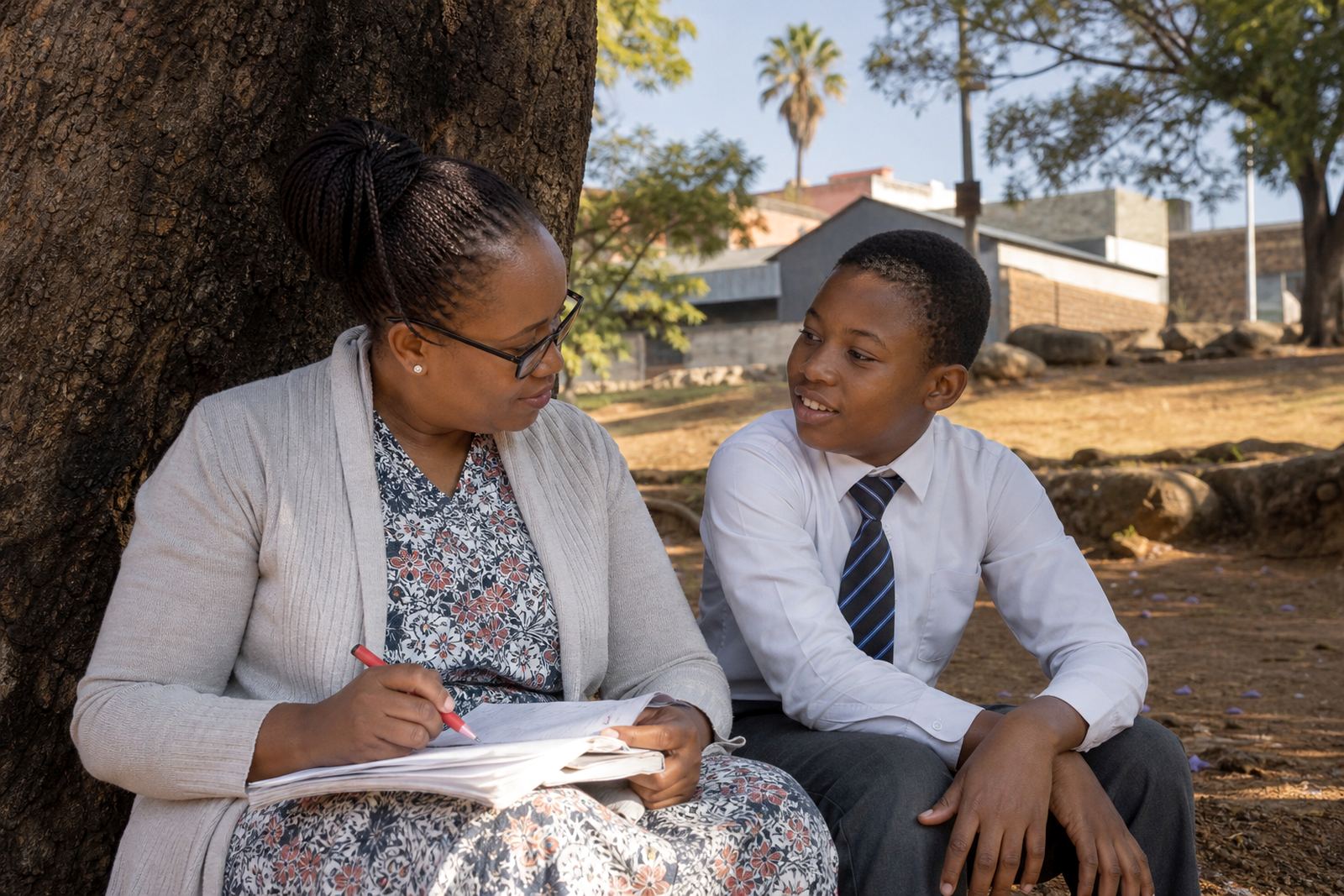
In this category, the strongest nominations usually describe steady, real help rather than a single dramatic moment. A teacher who stays after class to support a struggling learner, checks on attendance, links families to help, or creates a safe space at school can be a strong fit if the story is specific and honest.
We look for everyday service that can be understood by someone outside the school, not just by people who already know the teacher well. The nomination should show what changed for learners, what the teacher did, and how long that support has been part of their work.
- Focus on direct help to learners, families or the wider school community.
- Use plain dates, places and examples instead of broad praise.
- Explain the teacher’s role in a way that a stranger can follow.
- Include one or two moments that show the wider effect of the work.
What to have ready before you start writing
A strong submission does not need a thick file, but it does need usable detail. A notebook with dates, a phone for photos of printed letters or event notices, and a few short witness notes can help. If there is a school report, community letter, parent message or learner note that supports the story, that can be useful too.
It helps to keep the material tidy before you begin. Loose pieces of evidence often lead to vague writing, and vague writing is usually where good nominations lose strength.
- The teacher’s full name and school or community role.
- A short summary of the help they gave, in plain language.
- Useful evidence such as photos, notices, letters or messages.
- Consent from the teacher if the nomination names them publicly.
Shaping the nomination so it reads well
Write the story as if you are explaining it to a person who has never visited the school. Start with the core contribution, then show what happened around it. Avoid long praise without detail, and do not rely on broad claims such as being dedicated or inspiring unless you can show what that looked like in practice.
A good nomination has a clear beginning, middle and end. It says who the teacher is, what they did, who benefited and why it matters in the community. If there were several efforts, group them into one readable account instead of listing everything in a jumble.
- Start with the main contribution in the first few lines.
- Use short paragraphs and simple sentences.
- Leave out unsupported claims and hearsay.
- Keep the tone respectful, direct and specific.
Consent and privacy around school stories
Teachers often work in settings where learners, families and staff are visible in the background of the story. That means consent and privacy need care. If the nomination names the teacher, they should know about it. If photos or quotes involve learners, protect their privacy and avoid sharing sensitive personal details unless they are essential and appropriate.
Our privacy and consent process is there to keep the nomination fair and careful. Sensitive information should be handled lightly, and only the details needed for the assessment should be included. When in doubt, it is better to describe a situation without exposing names, home addresses or private health matters.
- Get the teacher’s consent before sending personal details.
- Hide learner identities where possible.
- Keep contact details, addresses and private matters out of the story unless needed.
- Use our contact form if you need help with privacy or consent questions.
Judging the nomination in plain terms
Judging is based on the story as submitted, not on school size, area, or how polished the nomination looks. Clear evidence, community benefit, and a genuine pattern of service matter more than big language. A strong nomination shows action, not just intention.
We also look at whether the contribution is believable and well explained. If the nomination contains mixed details or leaves out the teacher’s role, it becomes harder to assess fairly. For that reason, the review process tends to reward careful writing and clean supporting material.
- Community benefit and learner impact.
- Clarity of the teacher’s role in the story.
- Evidence that supports what is written.
- Respect for consent, privacy and sensitive information.
Budgeting for a clean submission in Rand
Most nominations can be prepared with a small, practical budget. Many people spend between R0 and R250 on printing, scanning, transport to collect a statement, or a few pages of colour copies. If you are putting together a fuller file with photos and printed notes, a budget of R250 to R600 is usually enough for basic prep. If you need extra travel across a town or district, set aside a bit more for fuel or taxi costs.
The money is usually not in the nomination itself, but in the time needed to gather the story properly. A rushed file often costs more in corrections later, while a tidy file keeps the process easier to follow.
- R0 to R250 for simple prep and basic printing.
- R250 to R600 for a fuller set of documents and images.
- R600 plus if travel or multiple print runs are needed.
- Keep copies of everything before you submit.