When a street helper is worth nominating
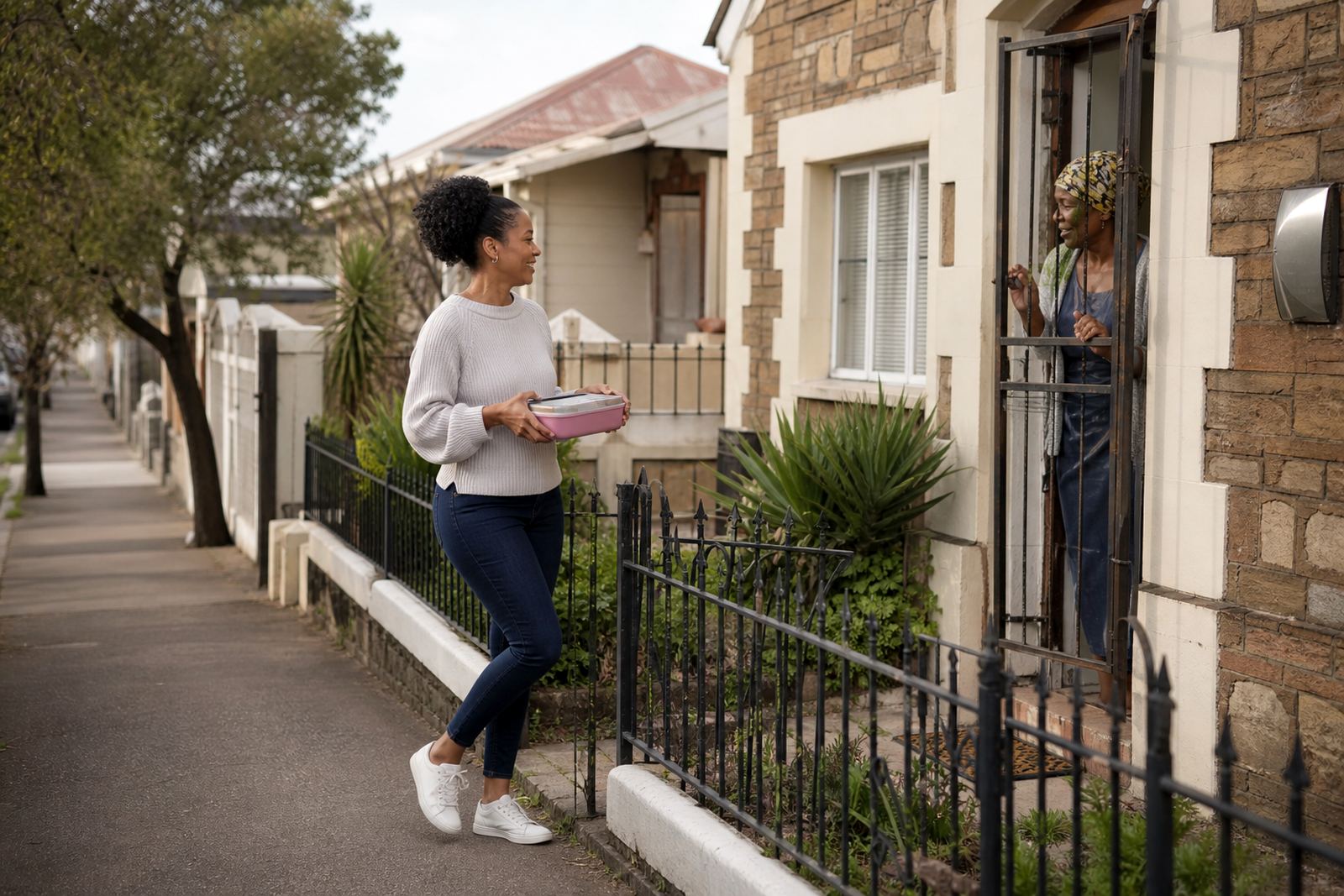
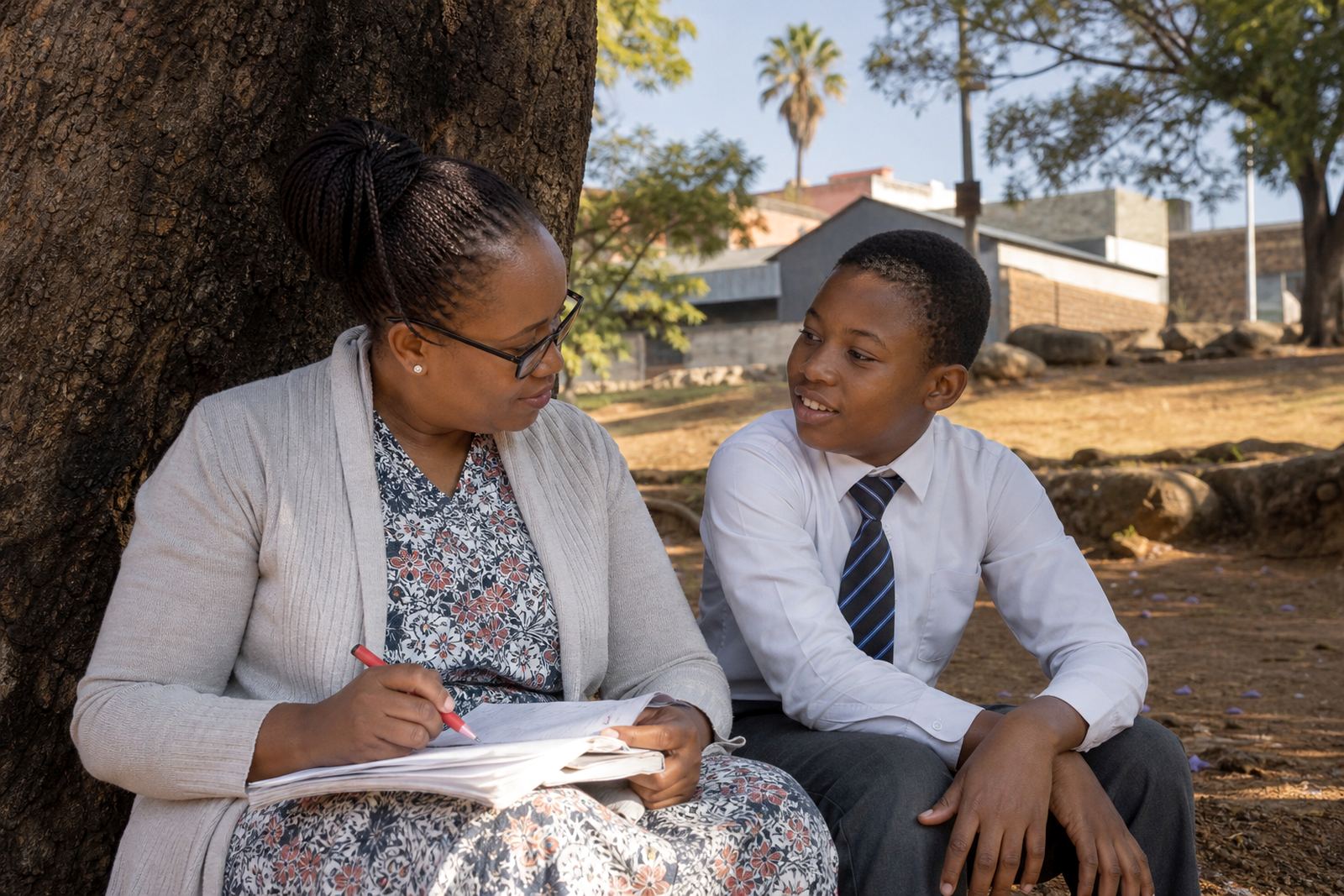
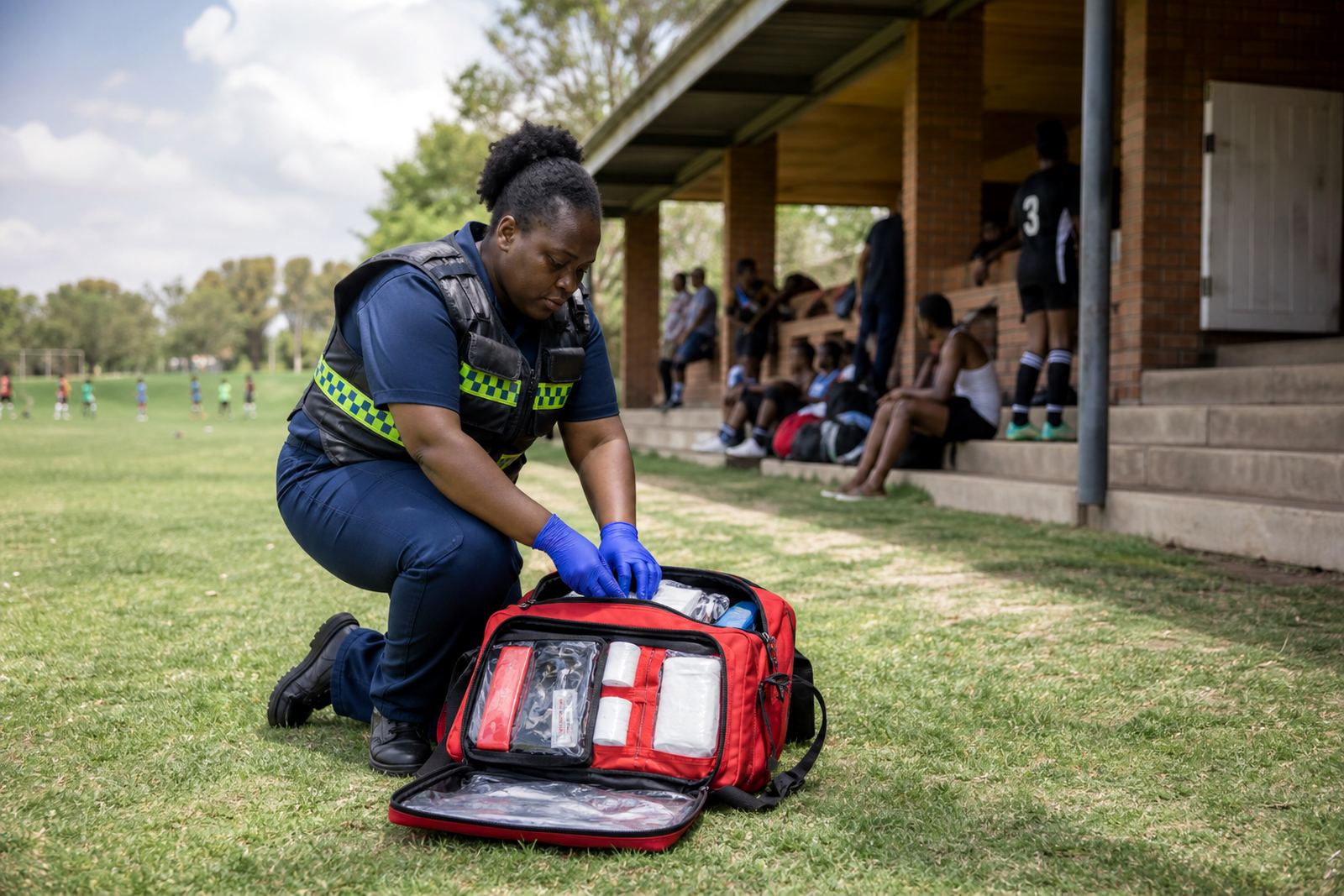
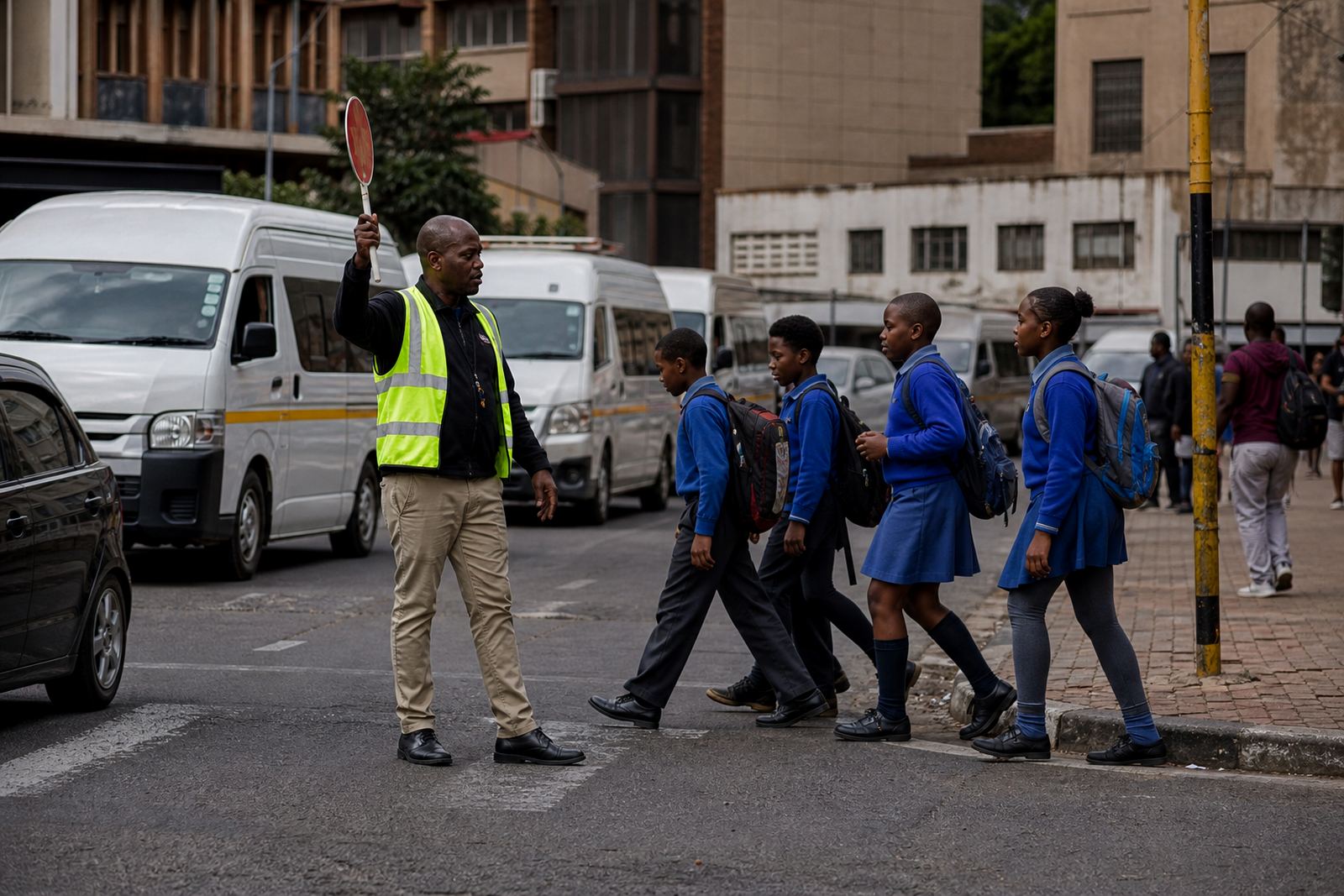
Street-level helpers are the people neighbours remember when a small crisis turns into a real problem. They might guide children across a busy road, check on older residents, help at a taxi rank, carry groceries for someone who cannot manage stairs, or step in when a child is lost and frightened. The work is usually practical, regular and visible, which makes it easier to describe clearly in a nomination.
A strong case does not need drama. It needs facts that show steady help over time, such as where the person helps, what they do, how often they do it and who has seen it. Keep the focus on real actions in the street, block, rank, clinic queue or local shopping area rather than broad praise. That keeps the nomination grounded and easier to assess.
- Note the place where the help happens.
- Describe the routine in ordinary language.
- Show who benefits and in what way.
- Add dates or time periods if they are known.
How the nomination should be put together
A useful nomination starts with the nominee’s name, the community they serve and a short story that explains their role. If the person has no formal title, describe the work as it is seen by others. A street helper may be known by the corner they stand on, the route they walk or the market area they watch over.
Supporting detail matters. A few clear paragraphs are better than a long message full of praise. Include one or two people who can confirm the help, such as residents, traders, commuters or caregivers. If the person helps in more than one place, separate those examples so the review process can follow the pattern without guessing.
- Full name and the area they serve.
- Short description of the help offered.
- Examples from daily life, not general compliments.
- Contact details only if the nominee has agreed.
Useful evidence from the road and pavement
Evidence for a street helper nomination is usually simple and local. Photos can help when they show the person in the setting where they help, but the image should support the story rather than replace it. Written notes from people who know the work, screenshots of community messages, route details, or a short log of regular activity can all add weight.
Do not overload the submission with unrelated files. A clean set of material is easier to review than a pile of loose proof. If there are children, vulnerable adults or medical details in the story, keep the focus tight and only include what is needed for the nomination. Sensitive information should be limited to what serves the case, not what makes the story sound bigger.
- Clear photos taken in the real setting.
- Brief statements from people who know the nominee.
- Dates, places and routine patterns.
- Any proof of steady community involvement.
Consent, privacy and what stays private
Before a nomination is submitted, the nominee should know they are being put forward and should agree to it. That matters because the process can include personal details, local references and stories that the nominee may not want shared widely. If the person cannot give consent directly, pause and check the rules before moving ahead.
Privacy is handled with care. Names, contact details and sensitive background information are kept for the nomination process and judged only within that framework. Where a story involves a child, a survivor, a neighbour in distress or a person using local support services, the wording should stay respectful and specific without exposing more than necessary.
- Tell the nominee before submitting.
- Keep personal details limited to what is needed.
- Avoid exposing private family or medical matters.
- Use careful wording where risk or vulnerability is involved.
Judging street-level help in plain terms
Judging is usually based on clear, everyday questions. Is the help regular? Does it make a real difference to people nearby? Is the story backed by practical detail? A good nomination shows consistency, visible service and a steady pattern of action, not one dramatic moment that happened once and never again.
The panel may compare nominations from different parts of South Africa, from Johannesburg and Cape Town to Durban, Gqeberha and Polokwane, so it helps to write in a way that an outside person can understand. Local slang is fine when it adds meaning, but the core of the nomination should be plain enough for anyone to follow.
- Regular help over time.
- Clear benefit to the community.
- Evidence that matches the story.
- Honest, specific writing without exaggeration.
Budget ranges for a careful nomination
Most nominations can be prepared on a modest budget. If you are gathering photos, printing supporting notes or paying for small travel costs to collect statements, the spend may stay under R300. A more detailed submission, with better copies of supporting documents and a few extra field visits, may sit between R300 and R900. Where there are many supporters or several locations to cover, the spend can move higher, often into the R900 to R2 500 range.
The cost is usually less about a formal charge and more about the effort needed to gather proof properly. Good planning helps keep the budget steady. A simple folder, a phone with enough storage, a notebook for names and dates, and a clear copy of the nominee’s consent are enough for most street helper entries. Our contact form can be used if you need guidance on the nomination route that fits the case best.
- Under R300 for basic material.
- R300 to R900 for fuller support notes and copies.
- R900 to R2 500 for larger community cases.
- Keep the file neat, labelled and complete.