Rural help is often quiet, steady, and shared
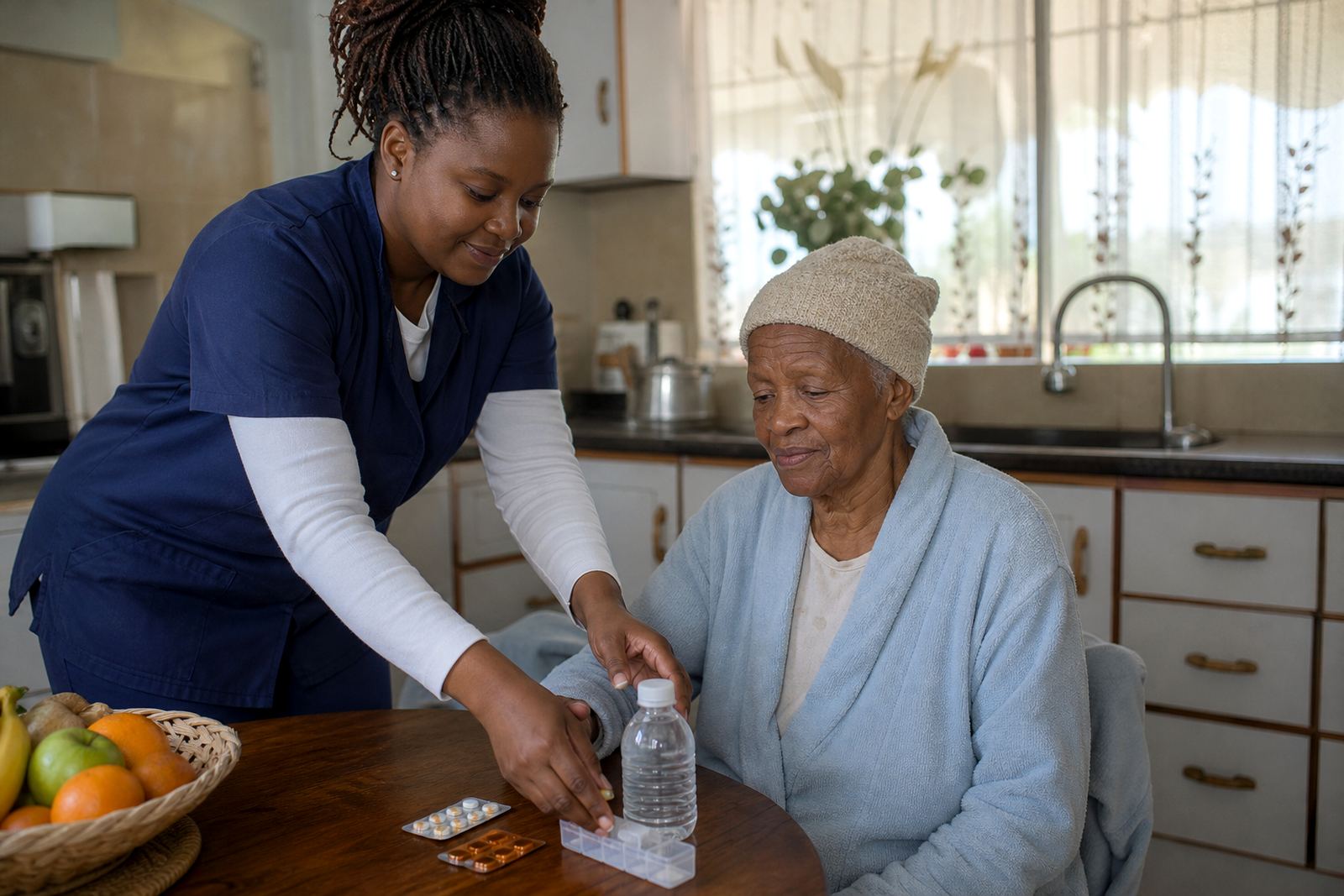
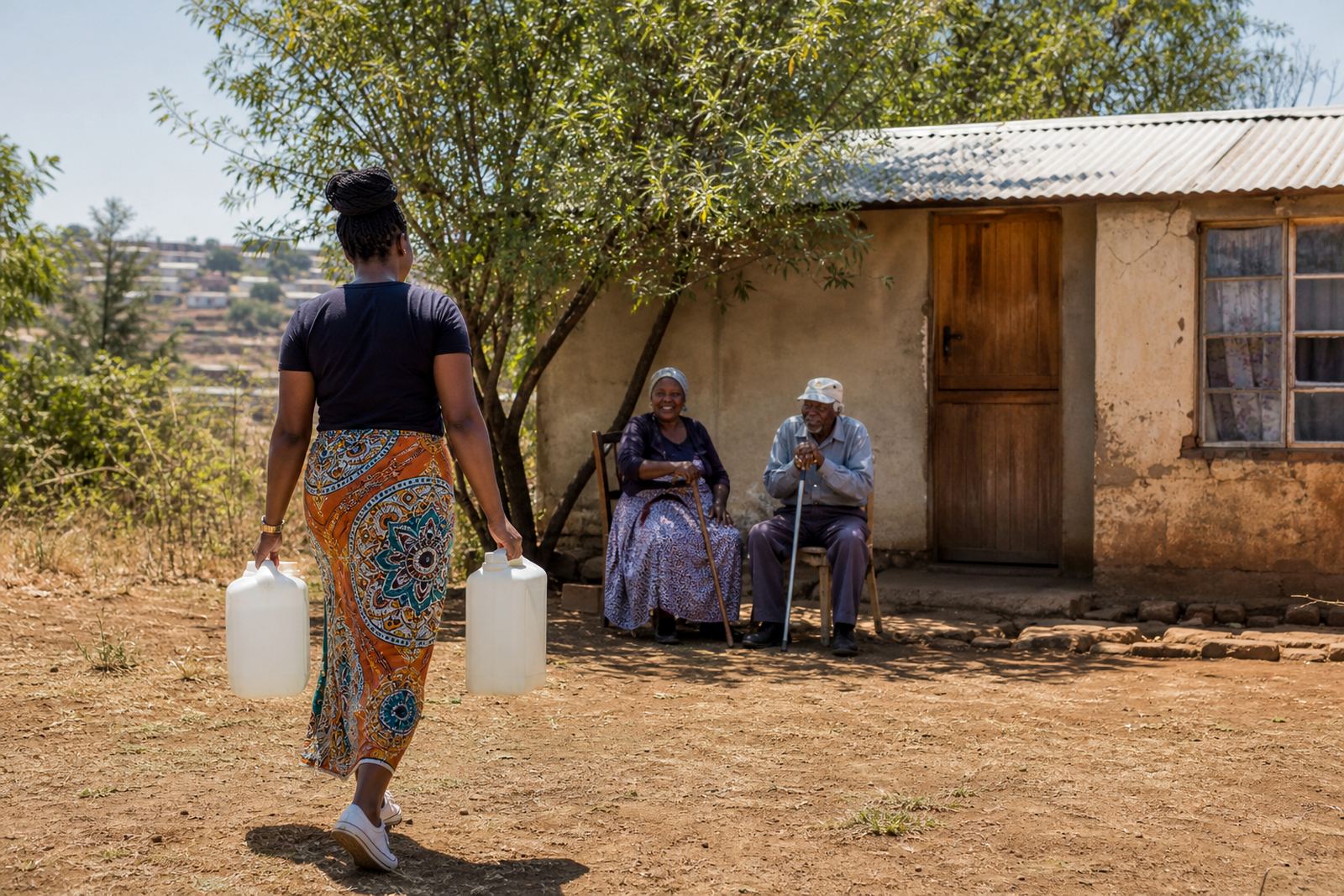
In villages, farming settlements, small towns and outlying areas, the strongest stories are usually ordinary acts repeated over time. A neighbour who drives someone to clinic, a teacher who stays late for extra reading, a carer who checks on elderly homes, or a first responder who covers long distances can all fit the programme well. The nomination should explain the setting, the distance involved, and the practical problem that was solved, not just the title of the person being nominated.
People in rural areas often rely on informal networks, shared transport, patchy signal, and handwritten notes. That context matters because it shows what the nominee worked with, and what changed because they stepped in. A good nomination makes the circumstances easy to understand without turning the person into a hero story that feels too polished.
What a strong rural nomination usually includes
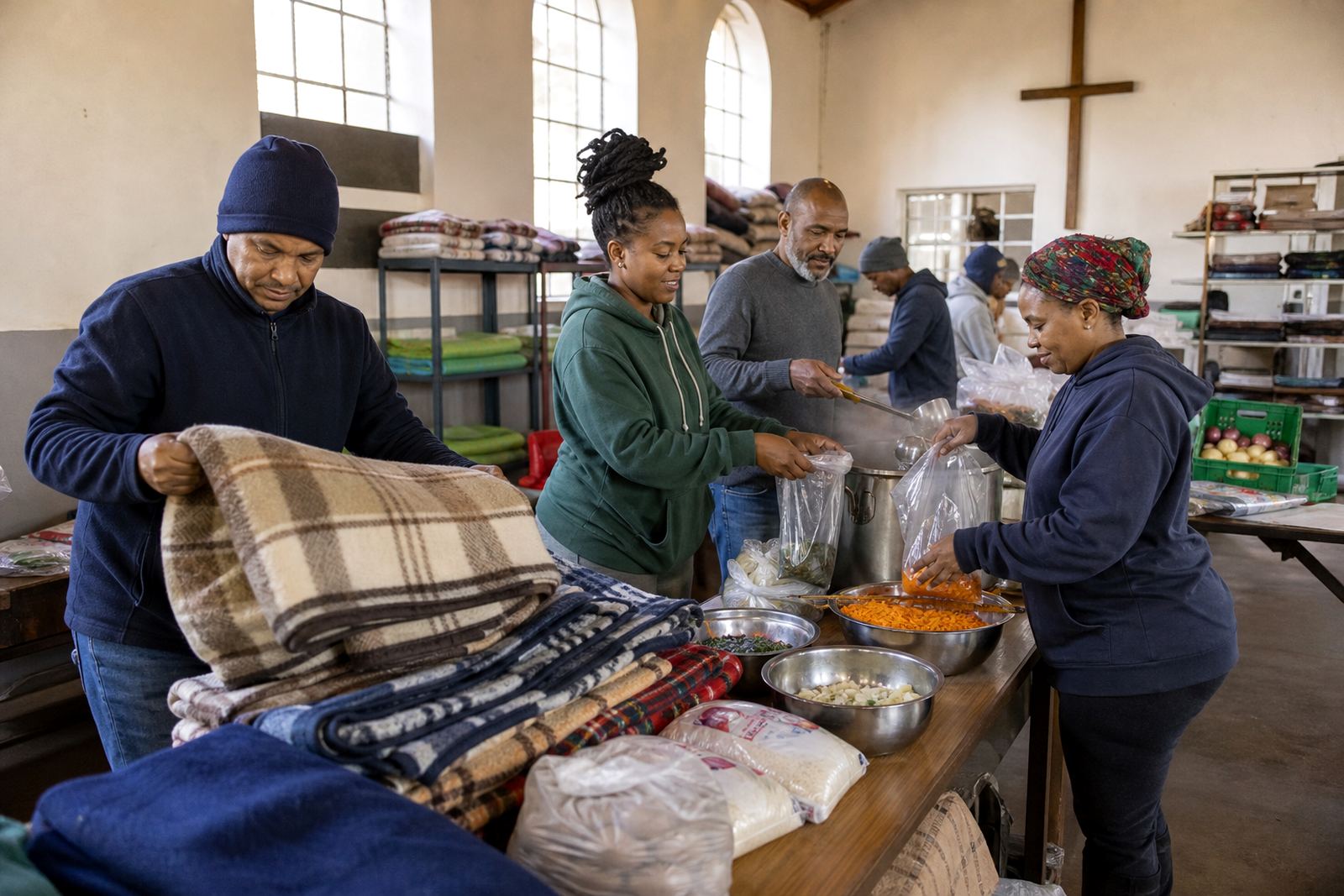
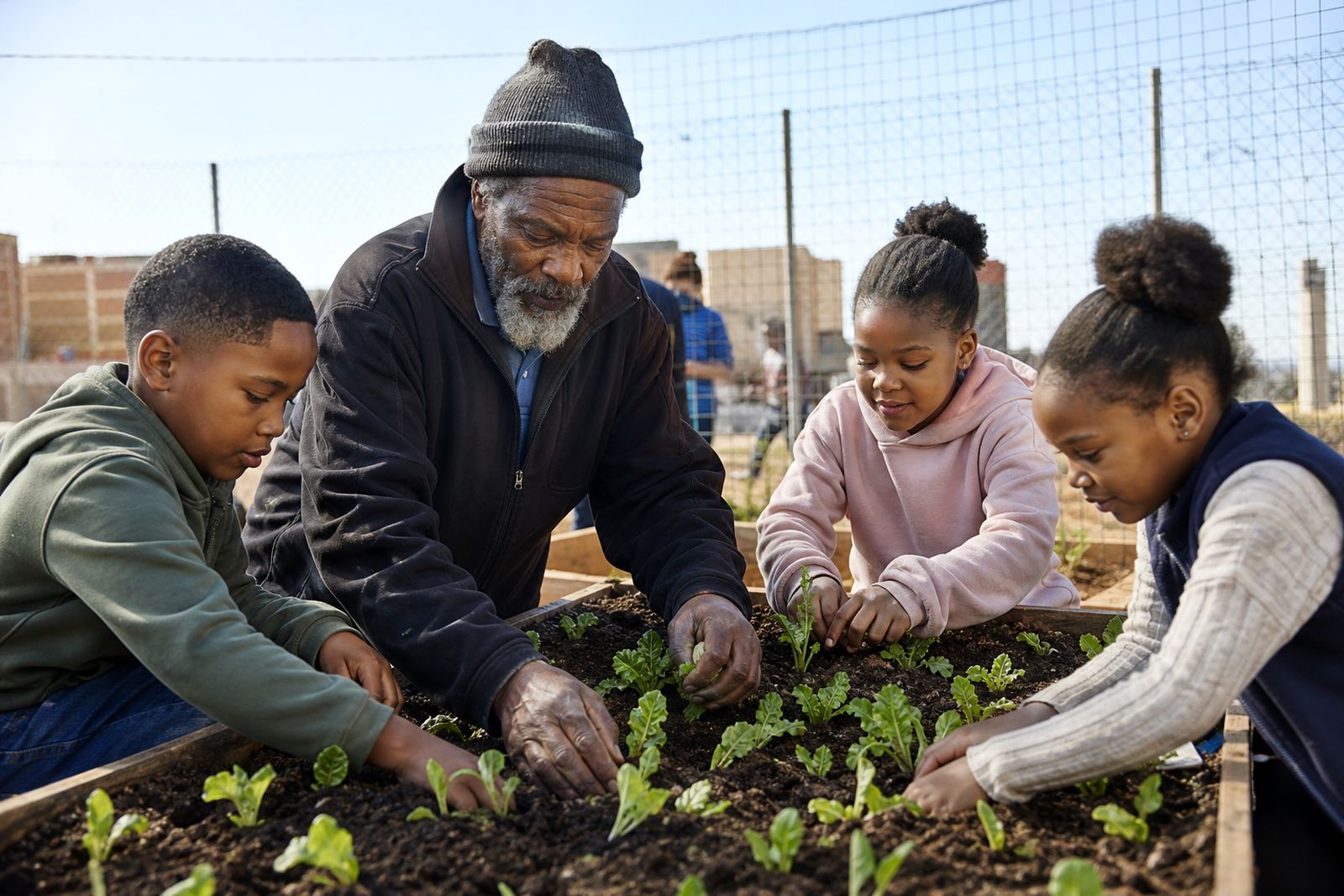
Useful nominations are specific. They explain what happened, who benefited, and how often the help was provided. If the nominee organised medicine collection for older residents, say how that worked in practice. If they taught children after school in a church hall or community room, describe the space and the routine. If they helped during a local flood, note the steps they took and what resources were available.
- The nominee’s full name and the community they serve.
- A clear description of the help they give, in plain language.
- Examples that show regular effort, not only one moment.
- Any useful proof such as photos, letters, messages or records.
- Consent from the nominee before personal details are shared.
The story does not need dramatic wording. It should sound like real life in the area, with enough detail for the review process to understand the work properly.
Consent and privacy matter before any details go in
Before you submit a nomination, make sure the nominee knows they are being entered and agrees to it. That point matters even more in small communities, where a name can travel quickly and sensitive family details can spread. If the person is a minor, or if the story involves medical care, hardship or safety concerns, the nomination should keep those details tight and relevant.
Do not add more information than is needed. A strong nomination gives enough context for judging without exposing private addresses, medical records or family disputes. If you are unsure about sensitive material, keep it out of the main story and use the privacy section to explain what should stay private.
- Ask for permission before you write the nomination.
- Share only the facts needed for review.
- Avoid naming vulnerable relatives unless it helps the story.
- Leave out private clinic, school or home details.
How to lay out a rural story so it reads clearly
When signal is limited and people use phones sparingly, the nomination still needs structure. Start with the nominee, then the community, then the help they give. After that, explain the distance, the obstacles, and any shared local effort that supported the work. This order helps the review team follow the story without guessing what happened first.
Photos, written notes, messages, reference letters and community feedback can all support the submission. If you have scanned documents or clear phone images, keep them neat and readable. A short, well organised nomination usually works better than a long one packed with every detail from a single day.
Helpful materials often include a contactable witness, a simple timeline, and one or two examples that show the nominee’s role across time. That is enough for most rural cases, and it keeps the nomination focused on the service itself.
Common mistakes that weaken rural entries
Many nominations fall flat because they are too general. Phrases like helpful person, nice neighbour, or active in the community do not show what the nominee actually did. The review process needs facts, not broad praise. It also helps to avoid writing as if the nominee did everything alone when local school staff, clinic workers, faith groups or neighbours all contributed.
- Leaving out the community and only naming the person.
- Using praise words without showing practical action.
- Forgetting consent before sharing the story.
- Adding unrelated family details or private problems.
- Submitting blurry images or notes that cannot be read.
Another common issue is over-explaining small details while missing the main point. Keep the focus on service, access, distance, and the effect on other people. That is what makes the entry useful for judging.
What budget planning looks like in Rand terms
This programme does not require a large spend to prepare a solid nomination, but some households and community groups still plan for small costs. In many rural areas, that may include data for uploading files, printing a letter, scanning a document, or getting a community witness to sign a note. If someone has to travel to a town to gather paperwork, that can add a transport cost too.
As a working range, a basic nomination might cost from about R0 to R150 if you already have the documents on hand. A more prepared entry, with printing, scanning and local travel, can sit around R150 to R500. Larger community efforts, where several documents are gathered and copied, may run higher, but it is still usually modest compared with the value of the story being shared.
The aim is not to spend heavily. It is to present a clear nomination that respects the nominee, protects privacy, and gives the judging team enough detail to understand rural realities properly.
After you submit and what the review looks at
Once the nomination is sent through our contact form, the review process looks at the plain facts first. The programme checks whether the nominee fits the purpose of recognising everyday South Africans who help their communities. It also looks at the clarity of the story, the strength of the supporting evidence, the consent given, and whether any sensitive information has been handled carefully.
The judging criteria are practical. Does the story show real community benefit. Is the nominee’s role clear. Is there enough detail to understand what happened in a rural setting. Has the form been filled in honestly, without exaggeration. Those points matter more than polished wording or big claims.
If a nomination needs updating, the person who submitted it should keep the changes short and relevant. A clean correction is easier to review than a second long story with the same facts repeated in different words.